Top-rated energy efficiency auditors.

Best energy efficiency auditors near Cincinnati, OH

Enter your zip and get matched with up to 5 pros

Need a pro for your energy efficiency auditing project in Cincinnati, OH?

Select your specific project to find the pro for you.

TRUSTED BY CINCINNATI, OH HOMEOWNERS

  • Average homeowner rating star icon4.3
    Average homeowner rating
  • Verified reviews icon14
    Verified energy efficiency auditing services reviews

Top-Rated Energy efficiency auditors in Cincinnati - Updated Nov 2026

Avatar for Solari Energy Consultation
Solari Energy Consultation
5.0(
5
)
Home Energy Audit

Serving Cincinnati, OH and surrounding areas

In business since 2018

Free estimates

Credit card accepted

"Solari energy is great. They guided me through financing, and I was able to pay nothing down. I spoke with my tax representative, and I qualified for the federal renewable tax credit as well. They put in a 12 kW system with a 9 kW battery backup at my house. They made the whole process easy. The installation team was fantastic and friendly. Any questions I had, Solari got back to me that day."
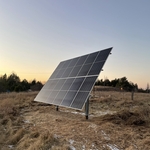
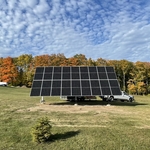
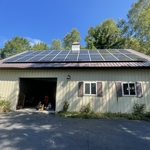
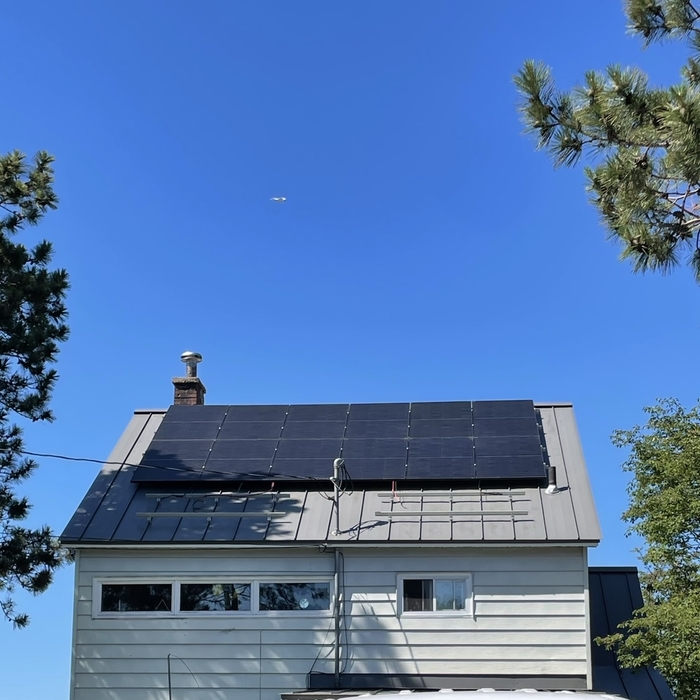
5kw Ground Mount
8kw Ground Mount
11.4 kw East/West rood mount
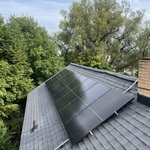
9.6kw Standing seam roof mount
4.3kw Roof mount.

+8

Response time11 hrs
Response rate100%
Recommended by100%of homeowners
Avatar for Living comfort hvac
Living comfort hvac
4.7(
9
)
Energy Audit - For BusinessHome Energy Audit

Serving Cincinnati, OH and surrounding areas

In business since 2016

Free estimates

Emergency services offered

"Went very smoothly. Everyone I was in contact with was professional. Reasonably priced. The service tech was also very respectful of me being immunocompromised regarding COVID-19, which I greatly appreciated. I plan to use them when it comes time for a tune-up."
Additional Photos
Additional Photos
Additional Photos
Additional Photos
Additional Photos

+2

Recommended by88%of homeowners
Avatar for Onesource Contracting and Mechanical
Onesource Contracting and Mechanical
4.7(
9
)
Energy Audit - For BusinessHome Energy Audit

Serving Cincinnati, OH and surrounding areas

In business since 1998

Emergency services offered

Credit card accepted

"Our Home Warranty Company (Old Republic) sent Onesource to our home to fix an AC problem.   They were the 2nd company sent out, the first one charged me a 60 dollar service call fee and left in 10 minutes after saying he cleaned some dust out of the fly wheel.   Turned out, when Onesource came out our A-coil was frozen over and that is what was causing the vibration noise, not the "dusty" fly wheel.       Since we had paid the service call fee just a few days before, Old Republic paid for the Onesource call.   They're due to return in the spring to add R-22 to the unit because they found it was only low in pressure.    We'll let you know how that visit goes."
Additional Photos
Additional Photos
Recommended by88%of homeowners
Comfort Solutions
4.3(
12
)
Energy Audit - For BusinessHome Energy Audit

Serving Cincinnati, OH and surrounding areas

In business since 1979

Emergency services offered

Credit card accepted

"After installation there were various problems that required my propane provider to become involved. Comfort solutions took care of all of the coordination as both companies worked to locate and resolve the problems. All said it took 2 days. By the 2nd day the service manager was on-site with the technician. The attention and responsiveness were excellent. That really went a long way to easing what could have been an extremely frustrating experience. Excellent customer service."
Recommended by90%of homeowners
Showing 1-10 of 18
Energy Efficiency Auditing FAQs, answered by experts

There are a few ways to reduce your electricity bills if you use window AC units to keep cool. Set the unit temperature at least 1 degree higher than it is currently to reduce costs. Keep the unit clean for it to run efficiently. You may want to hire a window AC specialist near you to inspect the unit once a year and keep it in tip-top shape.

The extra insulation helps reduce energy costs by minimizing drafts and temperature exchange between indoors and outdoors.

You can save money on heating oil through a combination of improving home efficiency and smart purchasing strategies.

Home Efficiency and Usage:

  • Improve Insulation: Ensure your home, especially the basement and attic, is well-insulated and sealed against drafts to prevent heat leakage.

  • Manage Your Thermostat: Use a properly calibrated and programmable thermostat. Lower the temperature by a few degrees, particularly when you are away from home or asleep.

Purchasing Strategies:

  • Buy in the Off-Season: Order heating oil during the summer months when prices are generally at their lowest. This strategy is most effective if you have a large primary tank or a separate storage tank to accommodate bulk deliveries.

  • Consider a Delivery Contract: Some companies offer contracts with a set price for the term. This can lead to savings if market prices for oil increase, but you might pay more if prices drop.

When combined with a substantial solar system, if you have enough Powerwalls, you could go off-grid and be energy independent. But remember, you'd need enough Powerwalls to power your whole home continuously because a single Powerwall can’t power large appliances for extended periods. One Powerwall is able to power an average-sized home's emergency circuits, lights, and outlets. To power large appliances, you likely need two or three Powerwalls.

To determine the right size generator for your house, you should calculate the total wattage of the appliances and devices you want to power during an outage. List all essential items, note their start-up wattages, and add them together.

Here are some typical wattage requirements for common appliances:

  • Refrigerator: 600 watts

  • Large dehumidifier: 700 watts

  • Large window air conditioner: 1,400 watts

  • Water heater: 3,000 to 4,500 watts

  • Electric furnace: 5,000 to 25,000 watts

A 7,500-watt generator might be sufficient for essentials like a refrigerator, freezer, well pump, and lighting circuits. However, for high-demand items like a water heater or furnace, a whole-home generator is a better choice. A portable generator may be enough if you only need to power a few critical items.

While home square footage can offer a rough estimate, it is not always a reliable indicator. For reference, here are some typical generator sizes based on square footage:

  • 1,000 sq ft: 6–9 kW

  • 1,500 sq ft: 7–10 kW

  • 2,000 sq ft: 10–14 kW

  • 2,500 sq ft: 12–16 kW

  • 3,000 sq ft: 16–20 kW+

For the most accurate sizing, consult a professional who can calculate your home's peak and average power consumption and recommend the optimal generator.
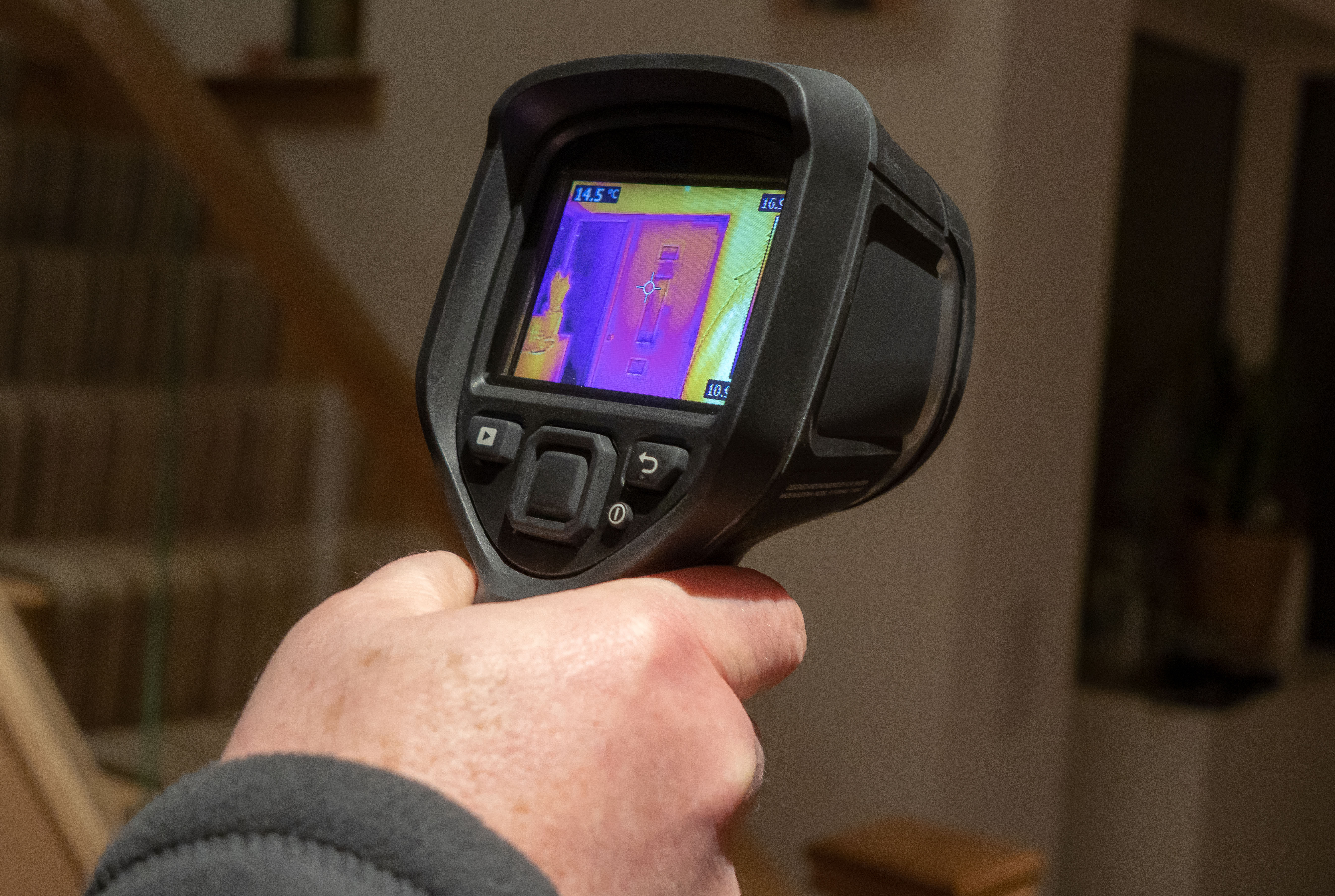
The Cincinnati, OH homeowners’ guide to energy efficiency auditing services

From average costs to expert advice, get all the answers you need to get your job done.