






Top-rated landscapers.

Get matched with top landscapers in Chesapeake, OH

Enter your zip and get matched with up to 5 pros

Need a pro for your landscaping project in Chesapeake, OH?

Select your specific project to find the pro for you.

Find Landscapers in Chesapeake

Avatar for DT Property Maintenance
DT Property Maintenance
New to Angi
Landscape - Soil, Sand, Mulch and Rock DeliveryLawn & Yard Waste Clean Up

Serving Chesapeake, OH and surrounding areas

Approved

Free estimates

Small jobs welcome

Credit card accepted

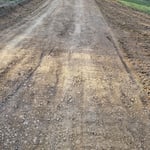
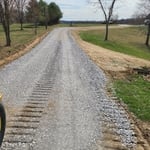
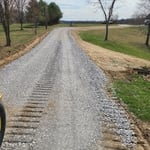
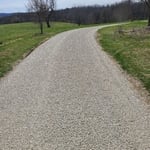
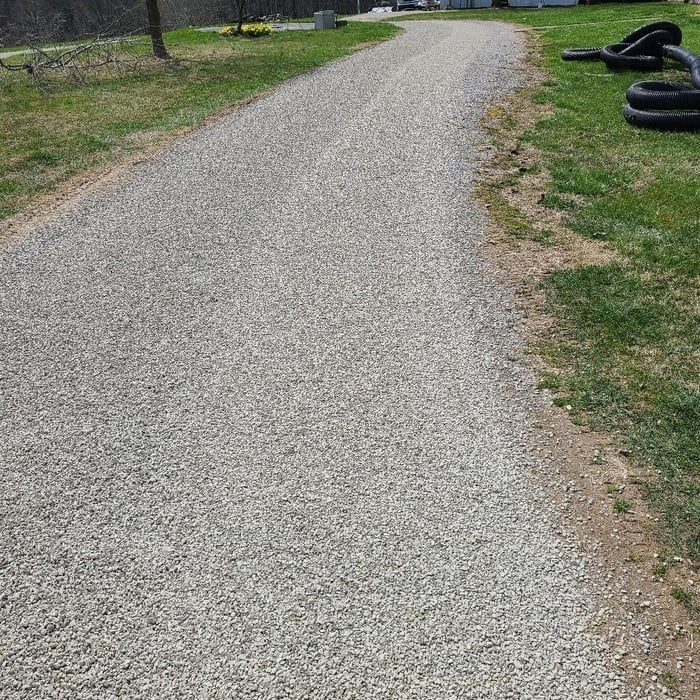
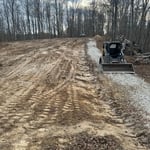
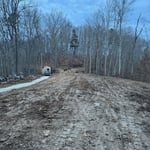
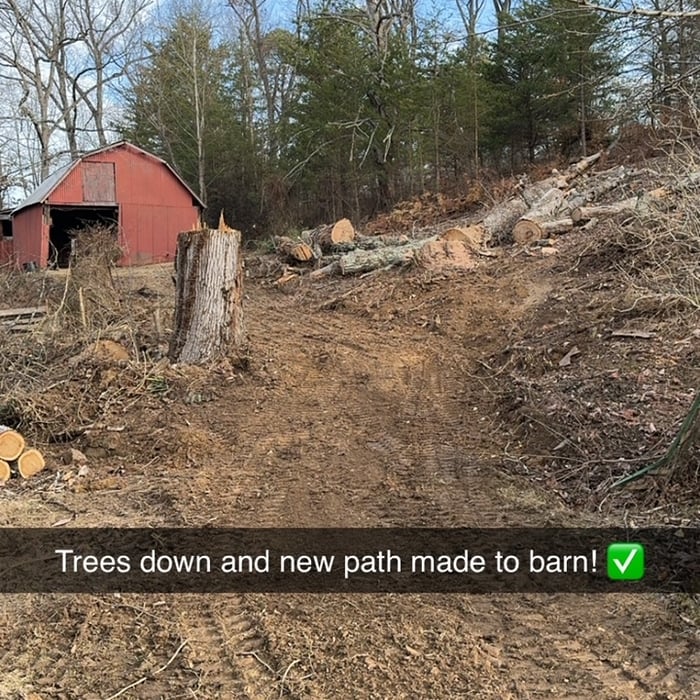
Hello! My name is Dylan Stockner, owner and operator of DT Property Maintenance. We specialize in land clearing, forestry mulching, brush clearing, stump removal, gravel driveway, install/repair, snow removal, dirt work, small demolition and junk removal. Contact us for a free estimate!

...
Showing 1-10 of 165
Landscaping questions, answered by experts

The best time to plant is between spring and autumn. Springtime weather is typically mild and is when nurseries start to bloom. When the summer weather arrives and it’s hot out, it’s best to avoid planting bare-root plants, but you can still plant many in-container varieties. The first sign of fall is another great opportunity to plant biennials if you live in southern states, or a lovely vegetable garden up north.

Determining how many boulders you’ll need for your landscaping project depends on the area you need to cover and how big each boulder is. First, you’ll need to determine how big of an area you want covered, then divide that by the base surface area of the boulders. A landscape professional can help you determine how many boulders will be right for your project.

Since you’ll likely be digging a trench to install your yard drainage system, this is a good time to complete other tasks that involve digging up your yard, including: Sprinkler system installation Lawn reseeding Regrading your yard Redesigning your landscaping If your drain is under a walkway or driveway, your contractor must also remove those materials. This is a great time to consider upgrading your hardscaping features, especially if they’re nearing the end of their life span.

While you can leave roots in the ground, if you don’t want the shrub to regrow again over time, it’s best not to leave any roots behind. Ensure you remove as much of the shrub as possible, including the root ball and any main roots you can see, to prevent new growth. Some gardeners opt for using a chemical treatment to prevent the stump from growing back, but this can kill beneficial microorganisms living in your soil.

You can fill the holes weeds leave behind with soil or sand to avoid unsightly spots or tripping hazards. If you remove weeds from a grassy area, fill the hole with soil and grass seed, and water regularly to promote grass growth.

The Chesapeake, OH homeowners’ guide to landscaping services

From average costs to expert advice, get all the answers you need to get your job done.