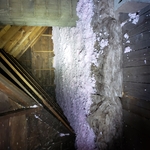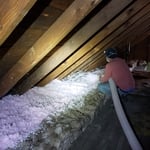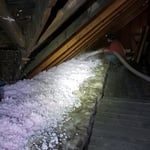





Top-rated drywall insulation pros.

Best drywall insulation pros near Bedford, OH

Enter your zip and get matched with up to 5 pros

Need a pro for your drywall insulation project in Bedford, OH?

Select your specific project to find the pro for you.

TRUSTED BY BEDFORD, OH HOMEOWNERS

  • Average homeowner rating star icon4.6
    Average homeowner rating
  • Verified reviews icon994
    Verified drywall insulation services reviews

Top-Rated Drywall insulation pros in Bedford - Updated Nov 2026

Avatar for Primary Home Improvements
Primary Home Improvements
5.0(
27
)
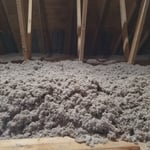
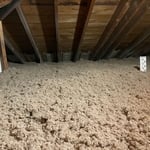
Blown-In Insulation - Install or Upgrade

Serving Bedford, OH and surrounding areas

Approved

In business since 2021

Free estimates

Warranties offered

"They arrived on time, it took about 2.5 hours, there is at least 18 inches or more of insulation, and I cannot wait to see the difference in the temperature in the house! Next weekend will be to do blown in insulation in the walls! Many thanks to owner Mike DePasquale and Energy Consultant Kevin Sweeney!"
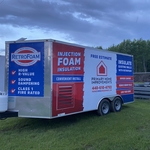
RetroFoam Injection Foam Insulation
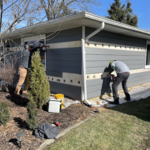
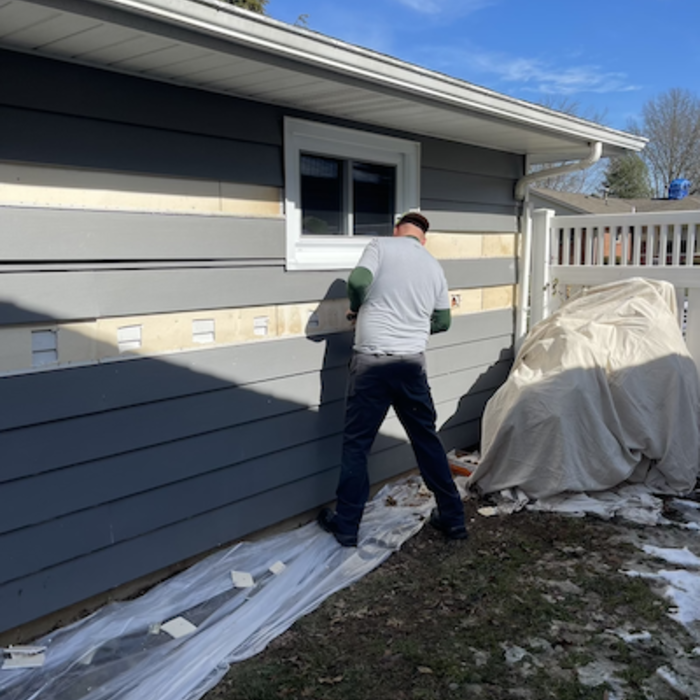
Primary Home Improvements Insulation Crew

+3

Response time10 hrs
Response rate88%
15 neighbors recently requested a quote
Avatar for Koala Insulation of Cleveland West Side
Koala Insulation of Cleveland West Side
5.0(
5
)
Blown-In Insulation - Install or Upgrade

Serving Bedford, OH and surrounding areas

Approved

In business since 2024

Free estimates

Warranties offered

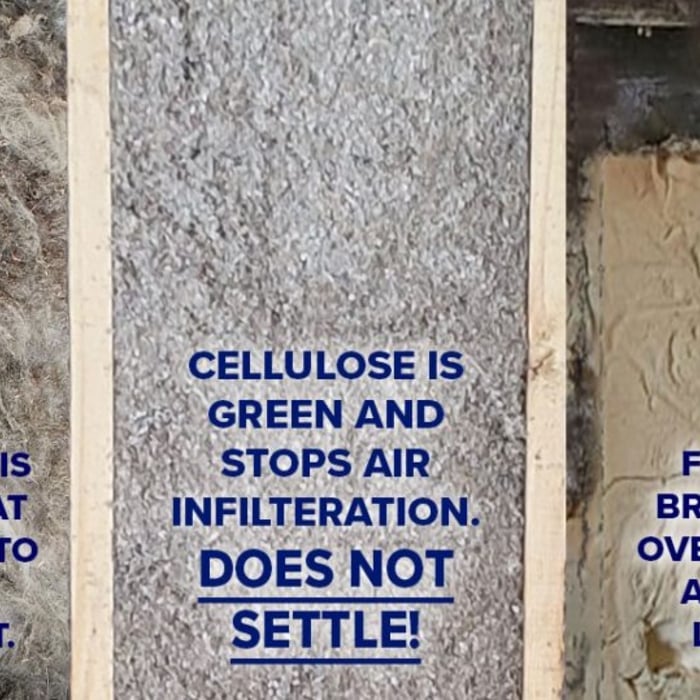
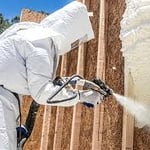
Koala Insulation of Cleveland West Side is an insulation contractor dedicated to providing top-notch insulation solutions to residential and commercial properties. We offer fiberglass, cellulose, spray foam, attic ventilation, and other services to create the right solution for your home or business. Our team of certified and experienced professionals prioritizes energy efficiency, comfort, and sustainability, working tirelessly to deliver outstanding insulation services that enhance comfort and efficiency for our neighbors.

Install
Install
Install
Response time2 days
2 neighbors recently requested a quote
...
Showing 1-10 of 65
Drywall Insulation FAQs, answered by experts

The age of your home can clue you in to whether you have plaster or drywall ceilings. Homes built after the ‘70s are more likely to have drywall ceilings and walls, while older homes have plaster. You can also do the pushpin test: A pushpin will go into drywall, whereas it’s much harder to push one into a plaster wall. If you’re still unsure, ask a drywall professional to let you know which type of ceilings and walls you have.

When sanding drywall mud, you’re going to create a very fine dust that may contain silica. Silica dust contains crystalline silica, which can cause long-term illnesses for people who inhale it in significant quantities. Wear a mask while sanding drywall. Then dampen a drywall sponge to wipe the dust off the drywall, helping to reduce the amount of dust that may become airborne.

If you’re looking for a reliable plaster repair company, you should start by researching local companies in your area and reviewing their status with the Better Business Bureau. Next, you can contact the potential companies to ask about experience levels, get a list of references, and ask for examples of past work. If you have a textured wall, consider asking if they have examples or references for that particular texture. This method should help you narrow your search even further. You may also want to ask each company if they provide a warranty for their work.

This depends on how much plaster is applied and in how many layers, but a decent estimate is around 150 square feet. If you are applying only two coats on a small wall, there is a chance you may only need one or two gallons for the entire project. If you are plastering a large living room wall with high ceilings, using one of the more involved techniques–like Scagliola–that requires several coats, expect the project materials costs to add up quickly. 

You can usually tell if you have plaster or drywall by touch (plaster is harder, colder, and smoother than drywall) or by tapping on it (drywall sounds hollow, plaster does not). If you still cannot tell, peek under an outlet cover and check the cut edges. The rough edges show the composition of the wall. You will see either drywall (two paper sheets sandwiching gypsum material) or only plaster material (no paper sheets).

The Bedford, OH homeowners’ guide to drywall insulation services

From average costs to expert advice, get all the answers you need to get your job done.