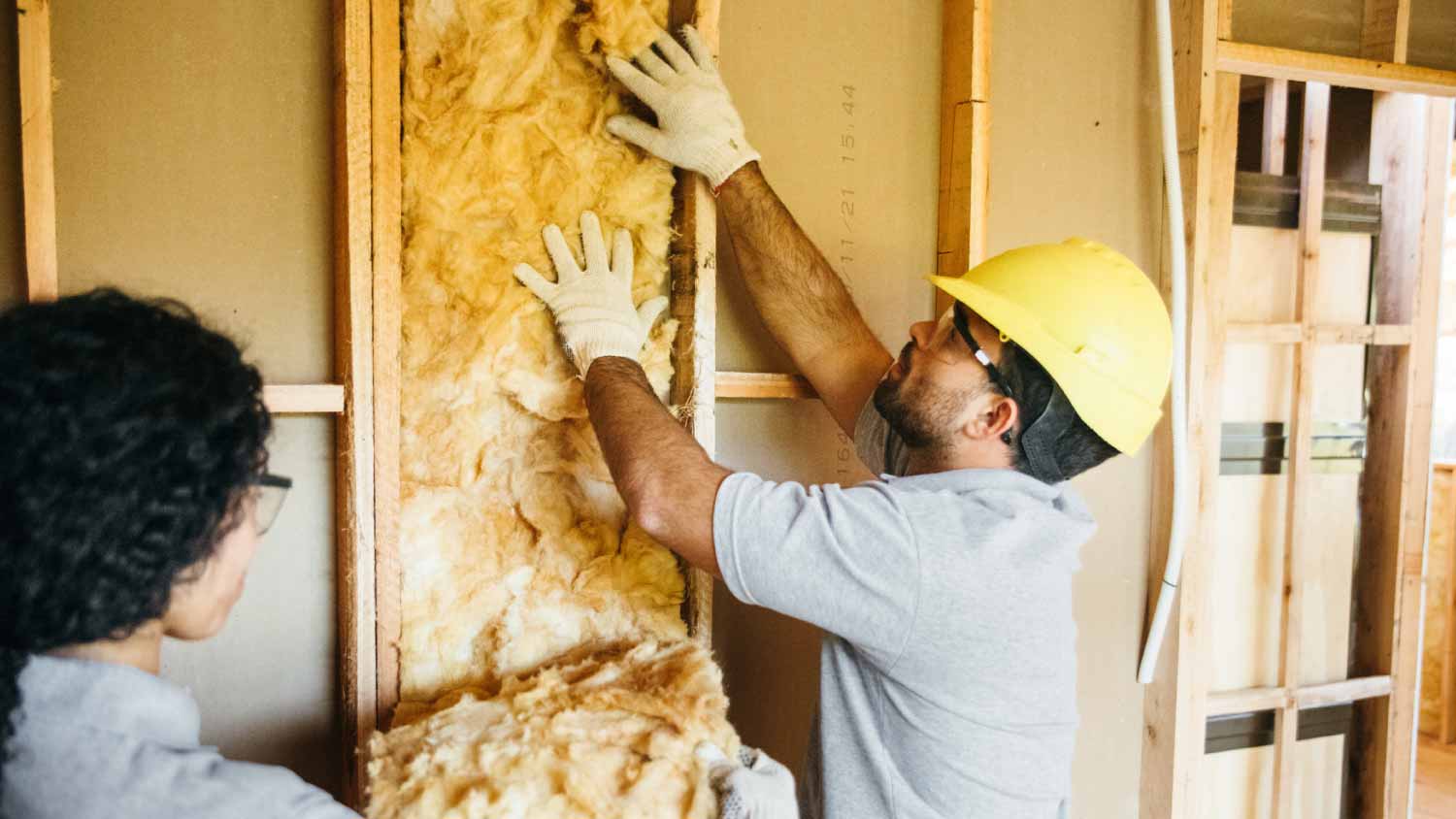


Top-rated drywall insulation pros.

Get matched with top drywall insulation pros in Valley View, OH

Enter your zip and get matched with up to 5 pros

Need a pro for your drywall insulation project in Valley View, OH?

Select your specific project to find the pro for you.

TRUSTED BY VALLEY VIEW, OH HOMEOWNERS

  • Average homeowner rating star icon4.4
    Average homeowner rating
  • Verified reviews icon524
    Verified drywall insulation services reviews

Find Drywall insulation pros in Valley View

Avatar for Primary Home Improvements
Primary Home Improvements
5.0(
27
)
Blown-In Insulation - Install or Upgrade

Serving Valley View, OH and surrounding areas

Approved

In business since 2021

Free estimates

Warranties offered

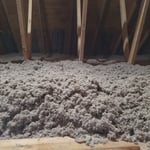
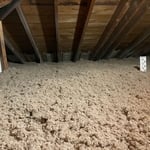
"They arrived on time, it took about 2.5 hours, there is at least 18 inches or more of insulation, and I cannot wait to see the difference in the temperature in the house! Next weekend will be to do blown in insulation in the walls! Many thanks to owner Mike DePasquale and Energy Consultant Kevin Sweeney!"
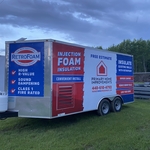
RetroFoam Injection Foam Insulation
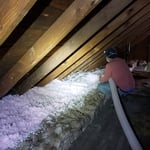
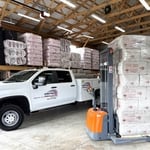
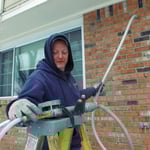
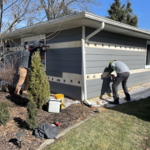
Primary Home Improvements Insulation Crew

+3

Response time10 hrs
Response rate88%
26 neighbors recently requested a quote
Avatar for Koala Insulation of Cleveland West Side
Koala Insulation of Cleveland West Side
5.0(
5
)
Blown-In Insulation - Install or Upgrade

Serving Valley View, OH and surrounding areas

Approved

In business since 2024

Free estimates

Warranties offered

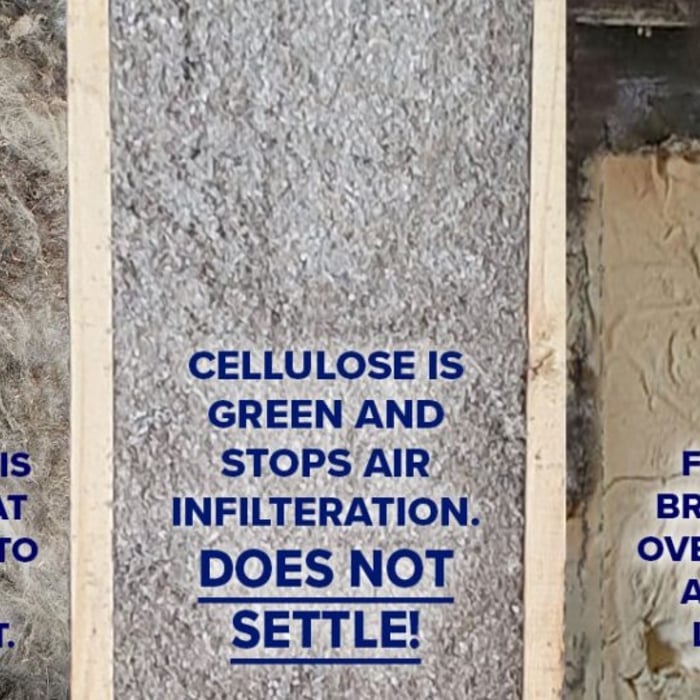
Koala Insulation of Cleveland West Side is an insulation contractor dedicated to providing top-notch insulation solutions to residential and commercial properties. We offer fiberglass, cellulose, spray foam, attic ventilation, and other services to create the right solution for your home or business. Our team of certified and experienced professionals prioritizes energy efficiency, comfort, and sustainability, working tirelessly to deliver outstanding insulation services that enhance comfort and efficiency for our neighbors.

Install
Install
Install
Response time2 days
11 neighbors recently requested a quote
...
Showing 1-10 of 76
Drywall Insulation questions, answered by experts

You can usually tell if you have plaster or drywall by touch (plaster is harder, colder, and smoother than drywall) or by tapping on it (drywall sounds hollow, plaster does not). If you still cannot tell, peek under an outlet cover and check the cut edges. The rough edges show the composition of the wall. You will see either drywall (two paper sheets sandwiching gypsum material) or only plaster material (no paper sheets).

The easiest way to tell if a wall is load bearing is to check if it’s an exterior wall or if it runs perpendicular to the joists above and below it (or parallel to beams). Exterior walls are almost always load-bearing, and walls that run under beams or parallel to them are also usually load-bearing. There are exceptions to these rules, and walls that don’t fit into these categories can still be load-bearing. If you’re unsure, hire a structural engineer to look at your home to assess whether or not the wall is structural.

Only use spackle on plaster walls when the imperfection is small. It’s best used for nail holes or small dings in the plaster. Spackle dries quickly, allowing you to continue the repair process shortly after using it. Plaster can be tricky to repair, though, so if you run into issues, call a pro so that you don’t risk further damage.

A common cause of separation between a wall and the ceiling is truss lift—this can happen to the ceiling of rooms directly under the attic when the seasons change and wood building materials dry out, shrink, and shift. Roof trusses often dry out at different speeds, and if the bottom pieces dry out faster than the top pieces, they can shrink and pull the attached drywall away from ceilings and walls, causing cracks. Fortunately, truss lift is only a cosmetic problem, not a structural problem, and you can fix it by separating the ceiling drywall from the roof trusses, and patching the cracks.

Certain drywall textures, like sand and sometimes popcorn, can be smoothed by applying skim coats, sanding the walls, or chipping away the texture. However, it’s worth considering removing the texture and starting with a blank canvas. Smoothing textured walls requires a lot of sandpaper and elbow grease and can take longer than just outright removing the texture.

The Valley View, OH homeowners’ guide to drywall insulation services

From average costs to expert advice, get all the answers you need to get your job done.