


Top-rated drywall pros.

Best drywall pros near Richland, NY

Enter your zip and get matched with up to 5 pros

Need a pro for your drywall service project in Richland, NY?

Select your specific project to find the pro for you.

Top-Rated Drywall pros in Richland - Updated Nov 2026

Avatar for Callaghans Cleaning Company
Callaghans Cleaning Company
4.5(
11
)
Drywall - Repair

Serving Richland, NY and surrounding areas

Approved

In business since 2006

Free estimates

Offers commercial services

"I had this service come in January and clean through my house. They did a deep clean on 2 of my rooms and dusted and cleaned the other rooms. I will have them come again when the weather is better."
Move out clean
Move out clean
Move out clean
Move out clean
Move out clean

+5

Response time1 day
52 neighbors recently requested a quote
LMC Dry Wall
0.5(
1
)
Drywall - InstallDrywall - Install - For BusinessDrywall - Repair+1 more

Serving Richland, NY and surrounding areas

Approved

In business since 2018

Free estimates

Credit card accepted

It can be a daunting task looking for not only the right contractor for your job but also the right contractor for you. We completely understand what you're going through. We know every customer has different desires, different needs and different schedules. We're not only here to turn your ideas into reality but to make it a memorable experience every step of the way. Call us right now, no matter where you are in the planning process.

Response time2 days
Avatar for Fourever Cure Services
Fourever Cure Services
4.7(
15
)
Drywall - InstallDrywall - Install - For BusinessDrywall - Repair+1 more

Serving Richland, NY and surrounding areas

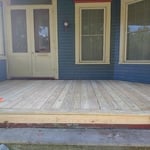
"Needed our big wrap around porch repainted. Called Fourever cure and they got back to me right away. The guys ended up doing a great job and used extra trim paint to redo the door. Would recommend if you need a quality job done quick in the area."
Handyman Services Project
Painting
Before photo
Landscaping
Landscaping & gutter cleaning

+116

Recommended by100%of homeowners
...
Showing 1-10 of 79
Drywall FAQs, answered by experts

Drywall is safe to cut as long as you follow proper procedures, such as wearing personal protective equipment and using the right tools to score and cut the drywall. When cutting new drywall, it can release dust with silica and other compounds that could pose health risks. Leave cutting drywall to the pros, or wear a high-quality respiratory mask, goggles, and other PPE when handling drywall.

Technically speaking, you can use drywall primer over plasters. However, oil-based primers work the most effectively on wall plasters. Meanwhile, water-based primers work just as well with drywalls. Nowadays, there are also universal primers suitable for drywall and plaster. Overall, you will be fine as long as you are using a trustworthy brand.

Drywall can get wet and dry out without sustaining permanent damage, but only if the water damage is minor. If you have a small leak and are quick to correct the issue and set up blower fans and dehumidifiers, your drywall should dry out. If the leak is persistent, the drywall becomes totally waterlogged, or mold begins forming on the drywall, you should remove and replace it.

While it’s most common to sand plaster dry, it is possible to wet-sand plaster, too. Doing so can reduce the amount of plaster dust released into the air and make it easier to work in smaller, more delicate areas (such as around wall trim). However, some people find that wet sanding leads to more imperfections, which is why larger walls are more often dry sanded to ensure an even finish.

Although they have similar applications, spackle and joint compound are not the same. Their primary differences lie in their composition, consistency, and ideal use cases.

Spackle is composed of gypsum and binding agents, making it thicker than joint compound. It dries quickly and is easy to sand, which makes it ideal for small wall repair projects like filling nail holes or patching minor damage.

Joint compound, also known as drywall mud, consists of limestone and gypsum. It is primarily used for large-scale projects, such as taping and finishing the seams on newly installed drywall. It tends to shrink more than spackle and can be more difficult to spread.

While both products can be used to fill small depressions and cracks, spackle cannot replace joint compound for taping and mudding new drywall. Conversely, you can often use joint compound for small patching jobs typically done with spackle.

The Richland, NY homeowners’ guide to drywall services

From average costs to expert advice, get all the answers you need to get your job done.