


Top-rated drywall pros.

Get matched with top drywall pros in Rodman, NY

Enter your zip and get matched with up to 5 pros

Need a pro for your drywall service project in Rodman, NY?

Select your specific project to find the pro for you.

Find Drywall pros in Rodman

Avatar for Odd Job Services
Odd Job Services
4.7(
46
)
Drywall - RepairDrywall - Repair - For Business

Serving Rodman, NY and surrounding areas

Approved

In business since 2000

Free estimates

Credit card accepted

"I recently had the pleasure of hiring Brain to fix a leak and repair the resulting damage to my ceiling. Not only did he identify the source of the leak quickly, but he also repaired it efficiently and effectively. The ceiling repair was completed, and the entire job was finished within the agreed timeframe."
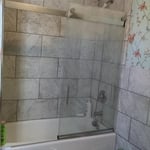
Bath tile
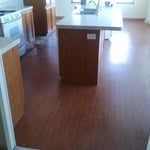
Kitchen floor repair
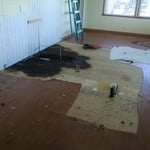
Kitchen floor repair2
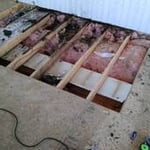
Kitchen floor repair3
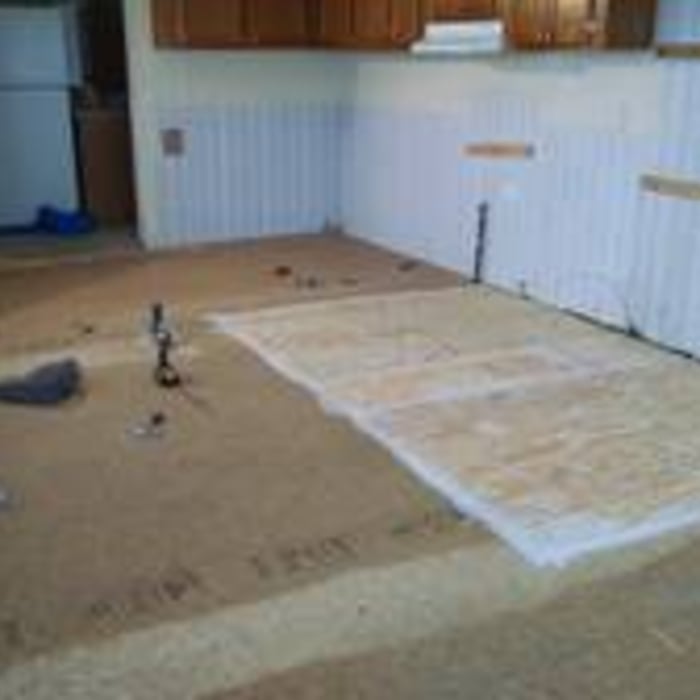
Kitchen floor repair4

+3

Response time1 day
Recommended by90%of homeowners
Avatar for Ashwood Drywall
Ashwood Drywall
New to Angi
Drywall - RepairDrywall - InstallDrywall - Install - For Business+1 more

Serving Rodman, NY and surrounding areas

Approved

In business since 2010

Free estimates

Credit card accepted

Ashwood Drywall is dedicated to providing our customers with the best quality and \ncraftsmanship. We are here to build relationships with our customers and communities and to provide \nour employees with a great place to work. We look forward to working with you!

Project Photos
Project Photos
Project Photos
Project Photos
Project Photos

+4

2 neighbors recently requested a quote
...
Showing 1-10 of 78
Drywall questions, answered by experts

Although they have similar applications, spackle and joint compound are not the same. Their primary differences lie in their composition, consistency, and ideal use cases.

Spackle is composed of gypsum and binding agents, making it thicker than joint compound. It dries quickly and is easy to sand, which makes it ideal for small wall repair projects like filling nail holes or patching minor damage.

Joint compound, also known as drywall mud, consists of limestone and gypsum. It is primarily used for large-scale projects, such as taping and finishing the seams on newly installed drywall. It tends to shrink more than spackle and can be more difficult to spread.

While both products can be used to fill small depressions and cracks, spackle cannot replace joint compound for taping and mudding new drywall. Conversely, you can often use joint compound for small patching jobs typically done with spackle.

Only use spackle on plaster walls when the imperfection is small. It’s best used for nail holes or small dings in the plaster. Spackle dries quickly, allowing you to continue the repair process shortly after using it. Plaster can be tricky to repair, though, so if you run into issues, call a pro so that you don’t risk further damage.

Small patches can be DIY, but professionals handle large-scale repairs with seamless results.

You should do a little bit of sanding between adding coats of mud. Knock down any ridges or significantly imperfect areas through sanding, which should help you apply the next coat of mud smoothly. If your first coat of mud is pretty smooth after it dries, a quick sanding is all you’ll need. Don’t forget to wipe away any dust after each sanding process.

When used correctly, drywall patch kits can work well. However, there are limitations. Specifically, these kits can only cover holes up to 5 inches in diameter. For anything larger than that, you’ll need to cut out the affected section of drywall and replace it with a new piece. That’s a far more complicated process that involves buying the right type of drywall, finding the wall studs, cutting into your wall, and screwing the replacement drywall in place.

The Rodman, NY homeowners’ guide to drywall services

From average costs to expert advice, get all the answers you need to get your job done.