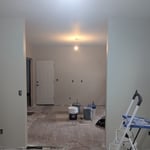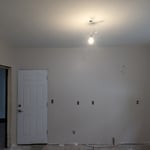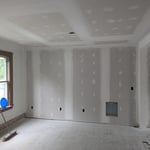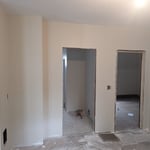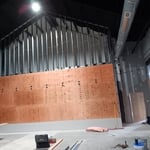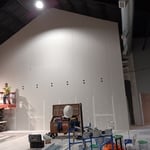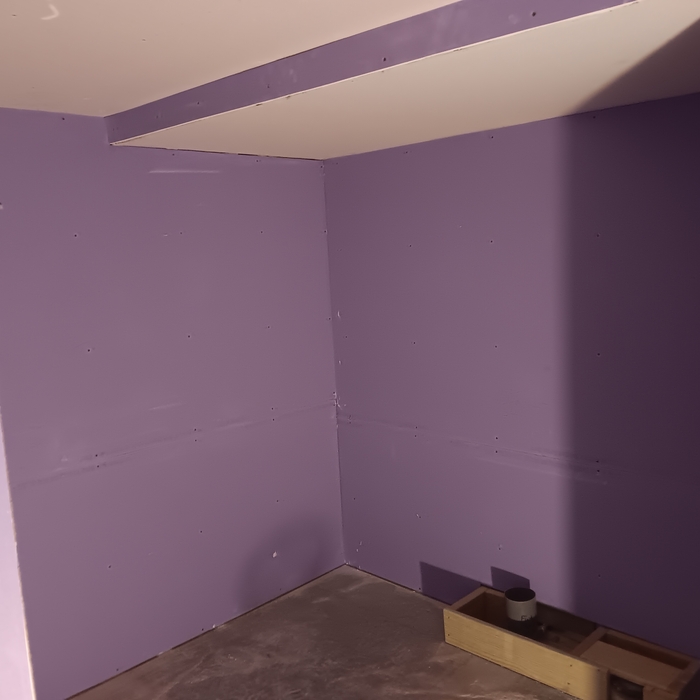





"Marty and crew are good at installing drywall in timely matter. My only negative comment is did nothing to clean up drywall dust. I would recommend them to other potential customers looking for quick install of drywall. Thanks Marty."
At Cody's Drywall and Painting Services, we are your premier choice for professional drywall repair and installation as well as painting. we have provided high quality work and friendly customer service for years. We take pride in our work. we work hard to provide the best service possible with integrity and accountability. We would love to help you. Give us a call today!
An experienced craftsman, with a commercial and residential pedigree. Quality is first and foremost, transparency is a must, and customer satisfaction comes second nature. Prices are as quoted, no fine print just a clear understanding.
We pride our company on reliability, great communication, integrity, and quality work. We are experts in our trade and will do our best to keep you as educated as we can on your particular task or project. We look forward to earning your business! Book with us online or feel free to give us a call today!
Professional painting is what we do. Prepping is key when you want a professional outcome. We take pride in our work and love what we do. Choosing us will be the first step into having quality work done in your home or project.
"They were on time, I've had other professionals and they rise above the rest. They cleaned up after themselves and for drywall work and they did a great prep work to keep from getting drywall everywhere."
"So quick! Thankful to work with Drywall Home Repairs - they helped us pick up where we left off in our basement DIY finishing project. They put up all of our drywall in an afternoon and made my worries of the project disappear. Professional, easy to work with and schedule."
In many cases, installing new drywall will boost your home value. Replacing old, damaged, cracked, or wavy drywall is a great way to improve the look and feel of your home, as new drywall installed by a professional shouldn’t have any imperfections. Additionally, removing old drywall means you’ll have open walls, so you can install new insulation and address exposed issues with plumbing and electrical systems running behind the walls. All of these fixes will also add to your home’s value.
Plastering and skimming are two different techniques for finishing walls. Plastering involves applying a thick layer of a plaster mixture—typically containing gypsum, lime, cement, sand, and water—to create a new surface. This process often requires multiple coats and is used for repairing significant damage or creating decorative textures. Skimming, on the other hand, is a technique that involves applying a thin layer of drywall compound or joint compound over an existing surface to smooth it out, covering minor imperfections, small cracks, or uneven textures for a polished look. Plastering is generally more costly and labor-intensive than skimming. Although some people use the terms interchangeably, they refer to different processes and materials.
The age of your home can clue you in to whether you have plaster or drywall ceilings. Homes built after the ‘70s are more likely to have drywall ceilings and walls, while older homes have plaster. You can also do the pushpin test: A pushpin will go into drywall, whereas it’s much harder to push one into a plaster wall. If you’re still unsure, ask a drywall professional to let you know which type of ceilings and walls you have.
You can put certain types of plaster over other types, but doing so isn't always the best idea. For example, putting a coat of gypsum over lime plaster is possible, but doing so will limit the lime plaster's breathability and potentially affect its performance.
Since cement plaster tends to leave a textured surface, no matter how much you smooth it, some people prefer to use gypsum plaster as a topcoat over cement plaster, creating a smoother surface.
Although they have similar applications, spackle and joint compound are not the same. Their primary differences lie in their composition, consistency, and ideal use cases.
Spackle is composed of gypsum and binding agents, making it thicker than joint compound. It dries quickly and is easy to sand, which makes it ideal for small wall repair projects like filling nail holes or patching minor damage.
Joint compound, also known as drywall mud, consists of limestone and gypsum. It is primarily used for large-scale projects, such as taping and finishing the seams on newly installed drywall. It tends to shrink more than spackle and can be more difficult to spread.
While both products can be used to fill small depressions and cracks, spackle cannot replace joint compound for taping and mudding new drywall. Conversely, you can often use joint compound for small patching jobs typically done with spackle.
The Sodus Point, NY homeowners’ guide to drywall services
From average costs to expert advice, get all the answers you need to get your job done.
Installing drywall is the most common way to finish your home’s interior. Use this drywall installation cost guide to see what your project is likely to cost.
Whether you want to spruce up a few dents and dings or fix a large surface area, investing in drywall repair costs can return your walls to a smooth, flush look.
Can you put drywall over drywall to cover old, damaged or cracked plaster walls? Read our guide to determine if this is the right solution for your walls.
The terms drywall and Sheetrock are often used interchangeably, but one is a brand and one is a specific product. Find out which one you need in this guide.