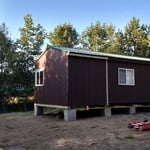
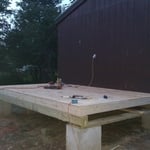
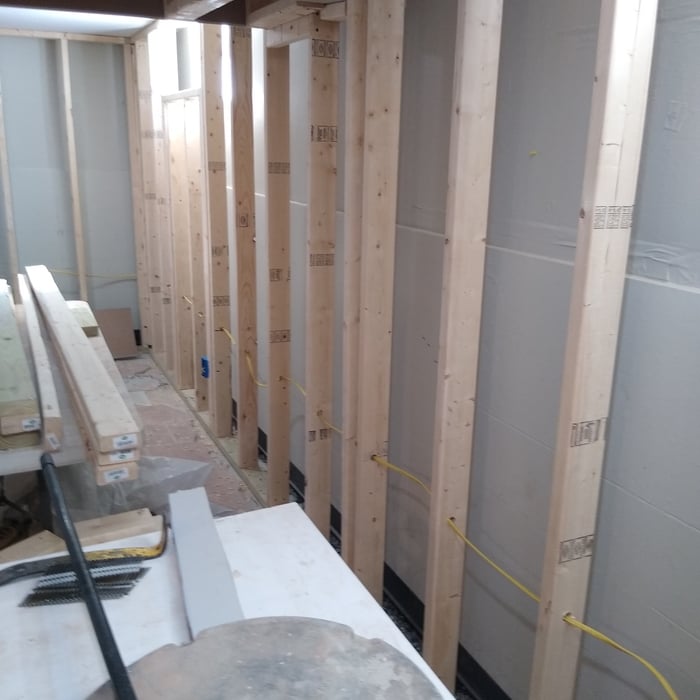
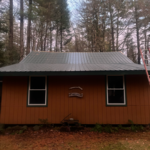
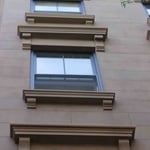
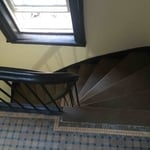
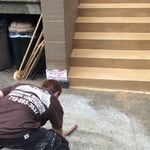
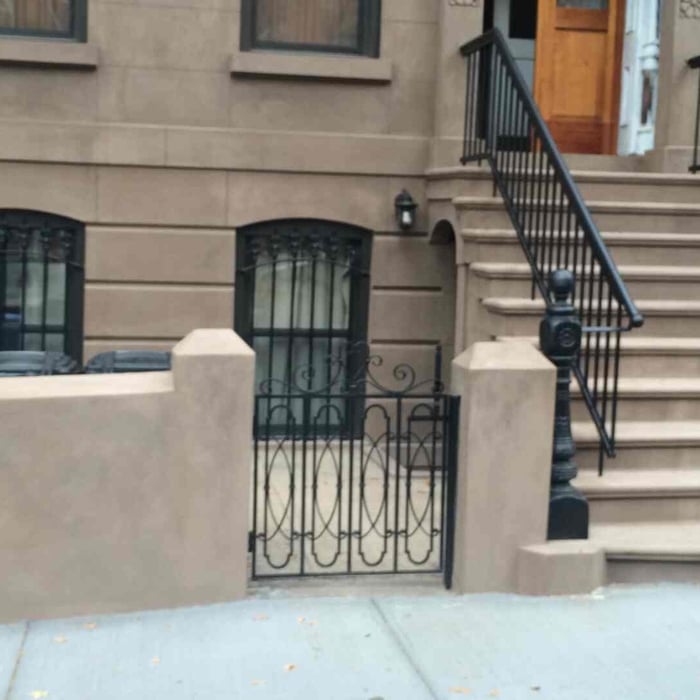
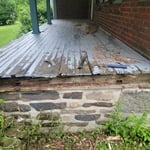
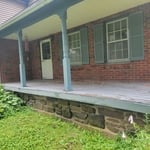
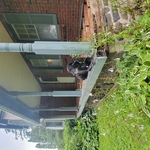
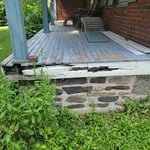
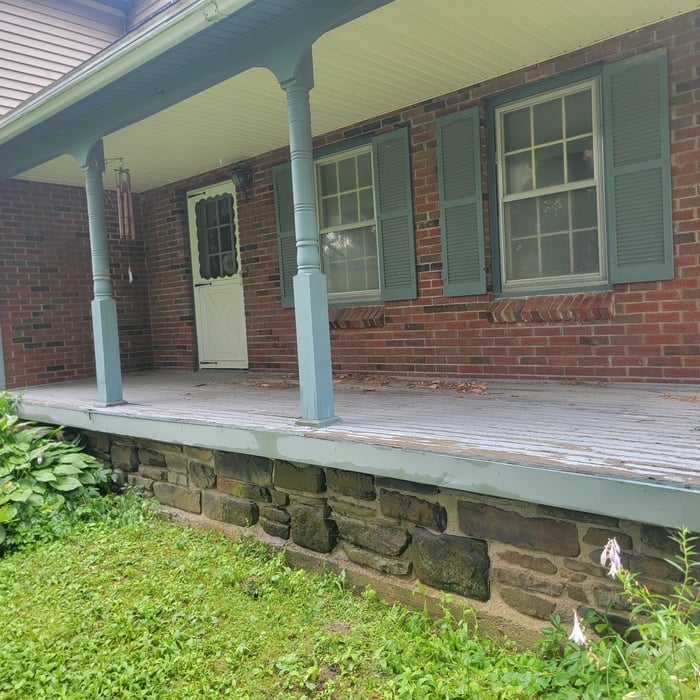
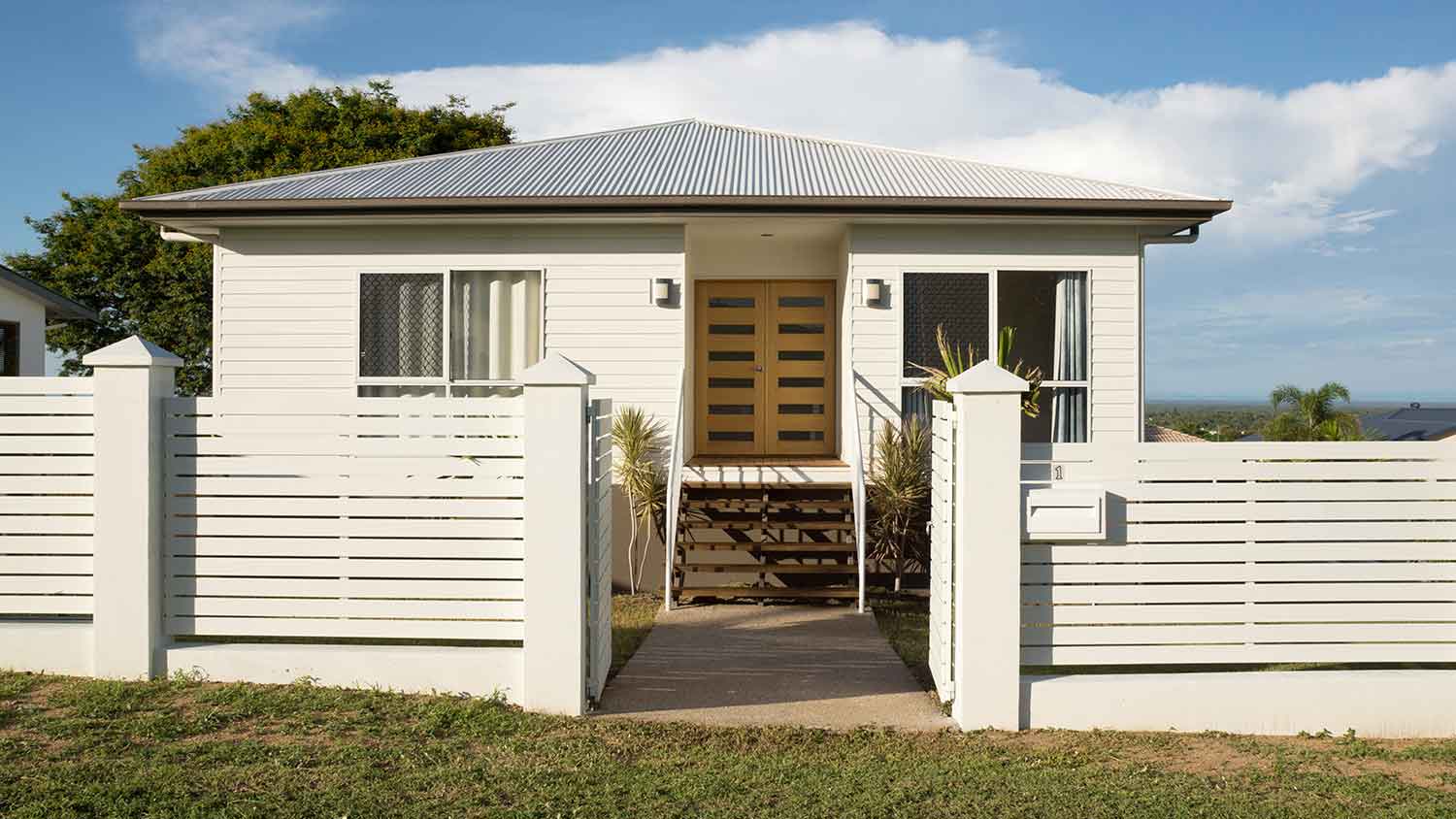
"Project included tear down and rebuild of porch landing and stairs plus installation of new door with reframing. I would highly recommend Doyle Home Carpentry! I found Brian to be very professional and courteous. He is very organized, quick-working, and efficient. He is responsive to his customers and provides updates on his progress. I couldn't be happier with the final outcome! For a job well done and great customer service, reach out to Brian at Doyle Carpentry."
"Our whole deck needed replacing and he did a wonderful job replacing it. I would recommend him to anyone who needs work to be done. Great Job Noah Thank You So Much."
North Country Fencing, provides our customers with the best quality and craftsmanship. We are here to build relationships with our customers and communities and to provide our employees with a great place to work. North Country Fencing, is a leader in providing our customers with the highest quality products and craftsmanship in an honest, efficient, and professional way. Our pledge is to create successful relationships with our customers, employees and community by building trust, treating every project with the utmost integrity and exceeding expectations. We look forward to working with you!
In terms of materials, chicken wire mesh will be the most inexpensive option to use when building your fence. The downside is that it’s not the most attractive garden fence option. In a similar vein, you could choose a DIY fence made out of repurposed items, like car tires, or wooden pallets, either of which would be free to collect.
DIY is feasible with the proper tools and manual labor, though experienced installers ensure durability and precise alignment.
Post depth for shadowbox fences should be at least two feet deep plus an additional foot for every foot of fence height above four feet. For a standard six-foot fence, this means a minimum depth of 3 feet. This depth helps to protect the structural integrity of your fence in the face of wind, soil movement, and seasonal ground shifts
If you’re trying to keep your dog from running away, an electric fence isn’t the only fence type for your yard worth considering. The cost of dog fences can range from $1,500 to $8,000, with popular materials including wood, vinyl, or aluminum to keep your pet safe and sound.
If you’re trying to keep livestock in their pasture, other fencing options include woven wire, high-tensile wire, and synthetic fencing. These options give your animals boundaries without the use of electricity.
Issues include rust, loose posts, and damaged mesh. Regular maintenance prevents significant problems.
The Adams, NY homeowners’ guide to fencing services
From average costs to expert advice, get all the answers you need to get your job done.
Chain-link fences are among the most affordable options available. Use this chain link fence cost guide to see what your fence installation will total.
Fence repair costs depend on the extent of damage, your fence's material, and how much of the fence you need to fix. Explore all the price factors in this guide.