




Top-rated toilet pros.

Get matched with top toilet pros in Harrison, NY

Enter your zip and get matched with up to 5 pros

Need a pro for your toilet service project in Harrison, NY?

Select your specific project to find the pro for you.

TRUSTED BY HARRISON, NY HOMEOWNERS

  • Average homeowner rating star icon4.6
    Average homeowner rating
  • Verified reviews icon3.4k+
    Verified toilet services reviews

Find Toilet pros in Harrison

...
Showing 1-10 of 459
Toilets questions, answered by experts

Some older homes have toilets in the basement to combat sewage backups. This type of toilet, also known as a Pittsburgh potty, acted as a safety valve over the incoming sewer line. If a line backed up, it would back up into the toilet because it was the lowest fixture in the home, keeping it out of sight and away from the finished areas of the house.

Basement toilets were also used by workers with messy jobs, like those who worked in coal mines or steel mills. This way, they could clean up and avoid tracking dirt through their home.

Yes, frozen pipes can prevent a toilet from working correctly. If the pipes are frozen, water cannot flow, which means your toilet tank won't be able to refill after a flush. This will prevent the toilet from flushing again. Depending on which lines are frozen, the ice can also block the drain pipe, preventing water from flushing away.

As a temporary workaround, you can manually add water to the tank for each flush. To clear a frozen drain pipe, you can try filling the toilet bowl or tank with warm water and flushing to help thaw the ice. However, the best long-term solution is to unfreeze the pipes to get your toilet back in working order.

The toilet should rest 10, 12, or 14 inches from the back wall. As for other clearances, 15 inches is the minimum distance from the flange to any side wall or nearby fixture, including the shower, tub, and sink. Modern codes also require at least 24 inches of clear space in front of the toilet.

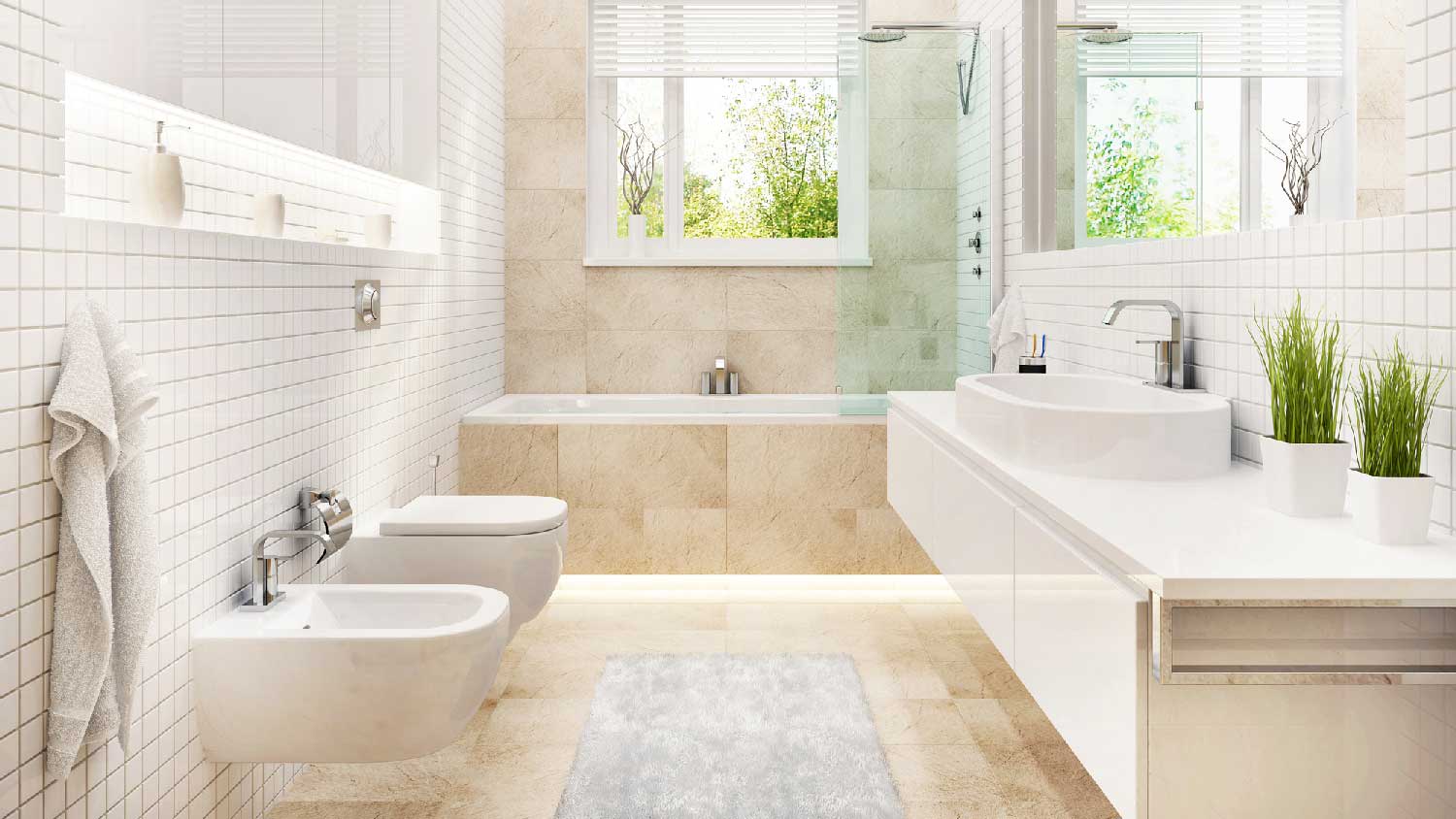
Even though they’re modern-looking, easier to clean, can be hung at any height, and help save space compared to traditional toilets, wall-hung toilets have some downsides. They’re more expensive than standard toilets, sometimes by a few hundred dollars. They’re also difficult to install and may require major plumbing work to reroute the drain if the previous toilet was a floor-mount model.
This tight fit can make repairs more difficult. You’ll also have to consider where you can hang them and weight limit restrictions, so they may not be the best fit for every home.

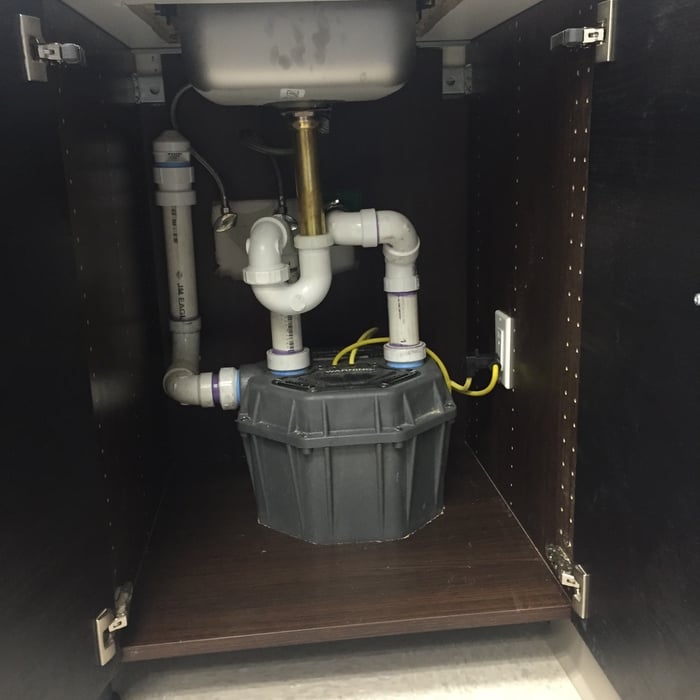
Basement toilets don’t always need a pump. However, it is the most common setup because plumbing systems use gravity to move waste away from the home. Basement toilets often sit below the home’s main sewage system, and installing a sewage ejector pump pushes the wastewater and sewage up to the main sewer line. Alternatively, you can use an upflush or macerator toilet that breaks down the waste and pushes it straight to the main sewer line rather than via a sewer line from the bathroom.

The Harrison, NY homeowners’ guide to toilet services

From average costs to expert advice, get all the answers you need to get your job done.