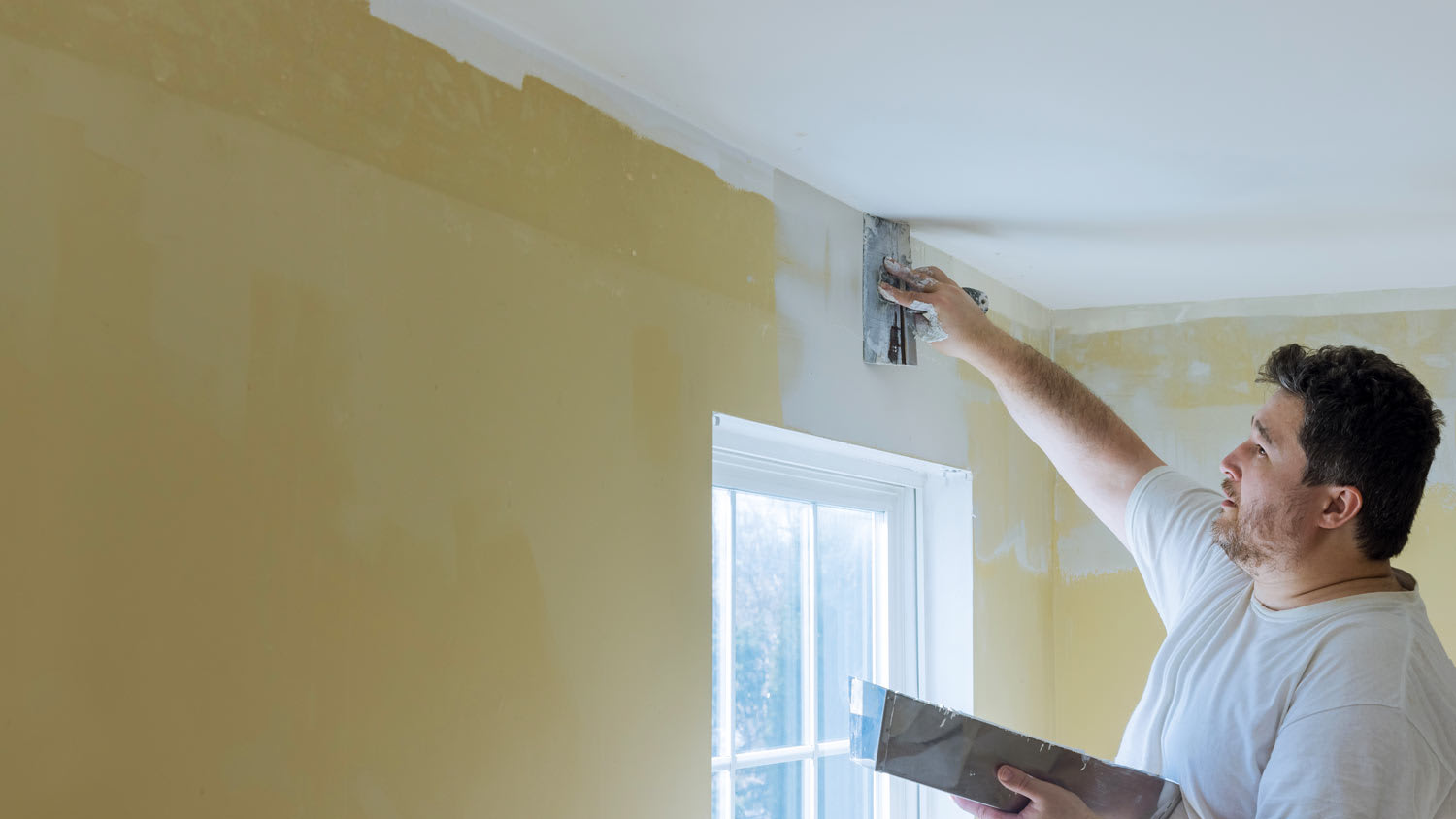
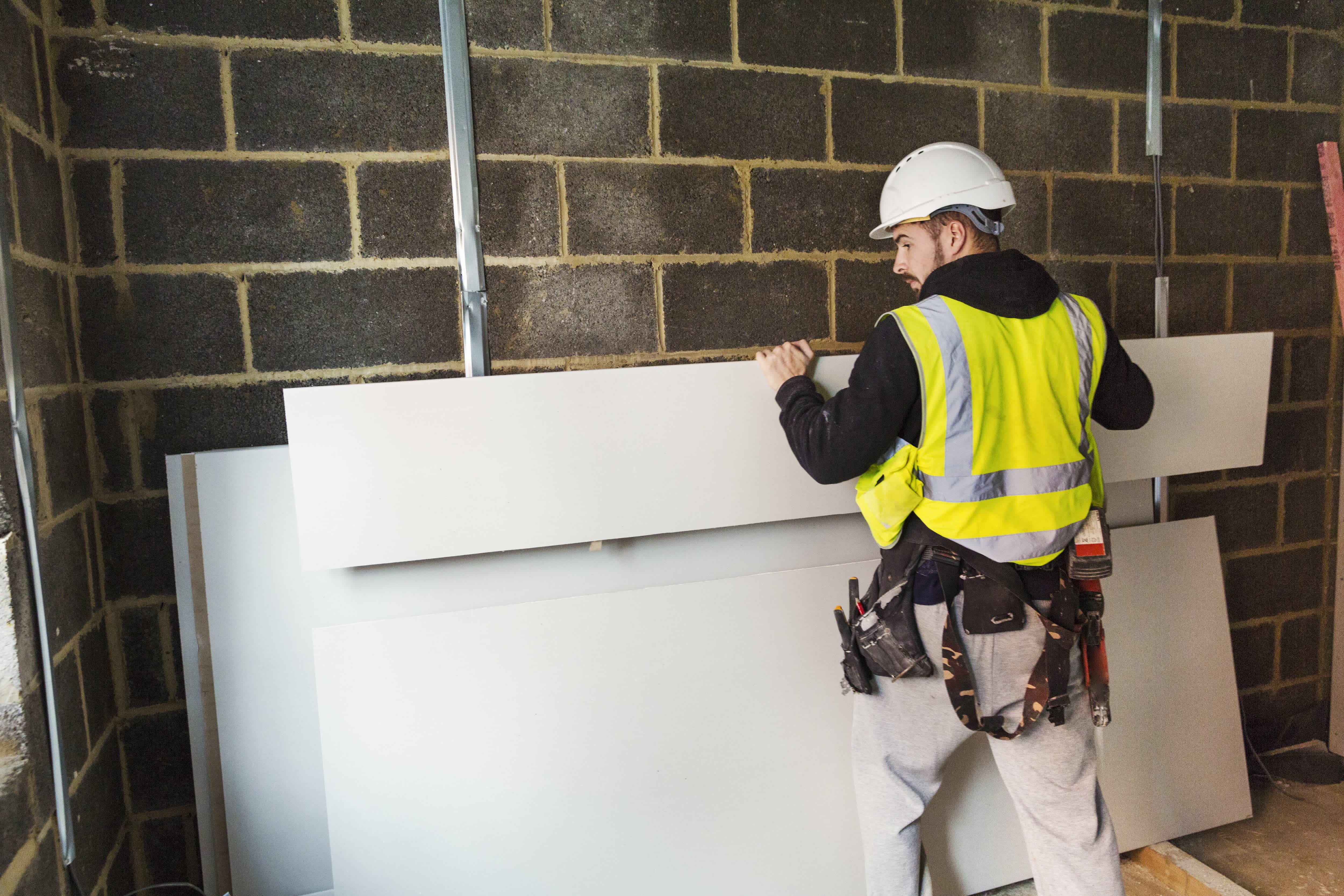
"Marty and crew are good at installing drywall in timely matter. My only negative comment is did nothing to clean up drywall dust. I would recommend them to other potential customers looking for quick install of drywall. Thanks Marty."
"The owner had outstanding communication. They always showed up when scheduled. Very polite & friendly. Crew were hard workers. I was happy with the prompt service, price and work preformed."
"Mike helped me with some flooring for me and added baseboards and transitions for a floor I laid but couldn't figure out how to completely finish. He then advised me how to fix a bedframe that had broken. He showed up when he said he would, and when the job took longer than expected, he stuck around later to finish. He was an absolute pleasure to work with! I would absolutely hire him again."
My Name is RJ Williams (Owner/Carpenter) with R-Dubs Remodeling & Property Maintenance LLC, where we are here to provide various services for your most important and expensive investment. I have been remodeling homes starting with a flooring career, to windows & doors, kitchens & bathrooms and more. We pride ourselves on our care for our clients (communication & Cleanliness), competitive pricing, attention to details, and virtual (hassle-free) estimate/booking process.
"I hired A2Z for a bathroom remodeling job. He had to take floors out repair damage install floors put in tile. He took out shower and wall dividing shower and whirlpool. He also replaced floor in toilet area. He did all this at budget and did an outstanding job. Now this would be enough for a 5 star he went a step or two further. When I called him to look at job I had another job done a day before my water heater broke and was replaced by someone else. I noticed a gas leak and a water leak the guy that replaced heater couldn't repair his mess up until a day or so. I called Joe and he repaired."
"We hired Parlor City to do a re-do of our main living area. It included redoing all the drywall, painting, applying shiplap on a feature wall and constructing 2 large beams for the ceiling. We're very happy with the finished product, especially with the wooden beams. All of the workers were attentive to details and to our wishes, especially the carpenter, Chris, who is a fine craftsman. The only issue we had was that due to some scheduling problems, the project went on a little longer than expected. We would definitely hire Parlor City for any jobs in the future!"
Fixing ceiling nail pops involves similar steps to wall repair, with the major difference being the orientation of the work. Ceiling nail pops can be more challenging because you may need to work overhead, which can be physically demanding and require additional safety precautions. Additionally, the ceiling may have different materials or finishes, such as textured surfaces, which can affect the repair process. Otherwise, the fundamental steps are the same.
A utility knife is sharp enough to score the drywall and it may work in a pinch for outlet box holes. However, one of the best tools for drywall when you need to make exact cuts for an outlet box quickly is a drywall saw. This handheld tool has a longer blade than a utility knife, so it penetrates the thickness of the drywall easily. The design of its handle and the teeth in its blade make it easier to control while cutting quicker than you can with a utility knife.
You should do a little bit of sanding between adding coats of mud. Knock down any ridges or significantly imperfect areas through sanding, which should help you apply the next coat of mud smoothly. If your first coat of mud is pretty smooth after it dries, a quick sanding is all you’ll need. Don’t forget to wipe away any dust after each sanding process.
Metal corners, often referred to as corner beads for square corners, are used on drywall installations to provide structural reinforcement to vulnerable outside corners. Their usage safeguards against chipping, denting, or other forms of damage, enhancing the overall durability of the wall. Metal corners also offer a precise and straight edge that facilitates sharp and clean lines, crucial for achieving a polished and professional finish.
You should start looking for a drywall installer by choosing a local company with positive online reviews and ratings with the Better Business Bureau (BBB). Next, confirm that the professional is properly licensed using Angi’s contractor licensing tool, and ask the installer if they are fully insured. It’s a good idea to ask for recent customer references and call them to get their honest opinion about the contractor and their work. You can also ask the installer if they guarantee their work or provide a workmanship warranty.
The Cortland, NY homeowners’ guide to drywall services
From average costs to expert advice, get all the answers you need to get your job done.
Installing drywall is the most common way to finish your home’s interior. Use this drywall installation cost guide to see what your project is likely to cost.
Whether you want to spruce up a few dents and dings or fix a large surface area, investing in drywall repair costs can return your walls to a smooth, flush look.
Can you put drywall over drywall to cover old, damaged or cracked plaster walls? Read our guide to determine if this is the right solution for your walls.
The terms drywall and Sheetrock are often used interchangeably, but one is a brand and one is a specific product. Find out which one you need in this guide.