Top-rated drywall pros.

Best drywall pros near Marietta, NY

Enter your zip and get matched with up to 5 pros

Need a pro for your drywall service project in Marietta, NY?

Select your specific project to find the pro for you.

TRUSTED BY MARIETTA, NY HOMEOWNERS

  • Average homeowner rating star icon4.5
    Average homeowner rating
  • Verified reviews icon65
    Verified drywall services reviews

Top-Rated Drywall pros in Marietta - Updated Nov 2026

Avatar for Marty Gauger  Drywall
Marty Gauger Drywall
3.9(
77
)
Drywall - InstallDrywall - Repair

Serving Marietta, NY and surrounding areas

Approved

In business since 2005

Free estimates

Small jobs welcome

"Marty and crew are good at installing drywall in timely matter. My only negative comment is did nothing to clean up drywall dust. I would recommend them to other potential customers looking for quick install of drywall. Thanks Marty."
Response time2 days
18 neighbors recently requested a quote
Recommended by94%of homeowners
Avatar for R-Dubs Remodeling & Property Maintenance
R-Dubs Remodeling & Property Maintenance
New to Angi
Drywall - Install - For BusinessDrywall - Repair - For Business

Serving Marietta, NY and surrounding areas

Approved

Free estimates

Emergency services offered

Warranties offered

My Name is RJ Williams (Owner/Carpenter) with R-Dubs Remodeling & Property Maintenance LLC, where we are here to provide various services for your most important and expensive investment. I have been remodeling homes starting with a flooring career, to windows & doors, kitchens & bathrooms and more. We pride ourselves on our care for our clients (communication & Cleanliness), competitive pricing, attention to details, and virtual (hassle-free) estimate/booking process.

...
Showing 1-10 of 116
Drywall FAQs, answered by experts

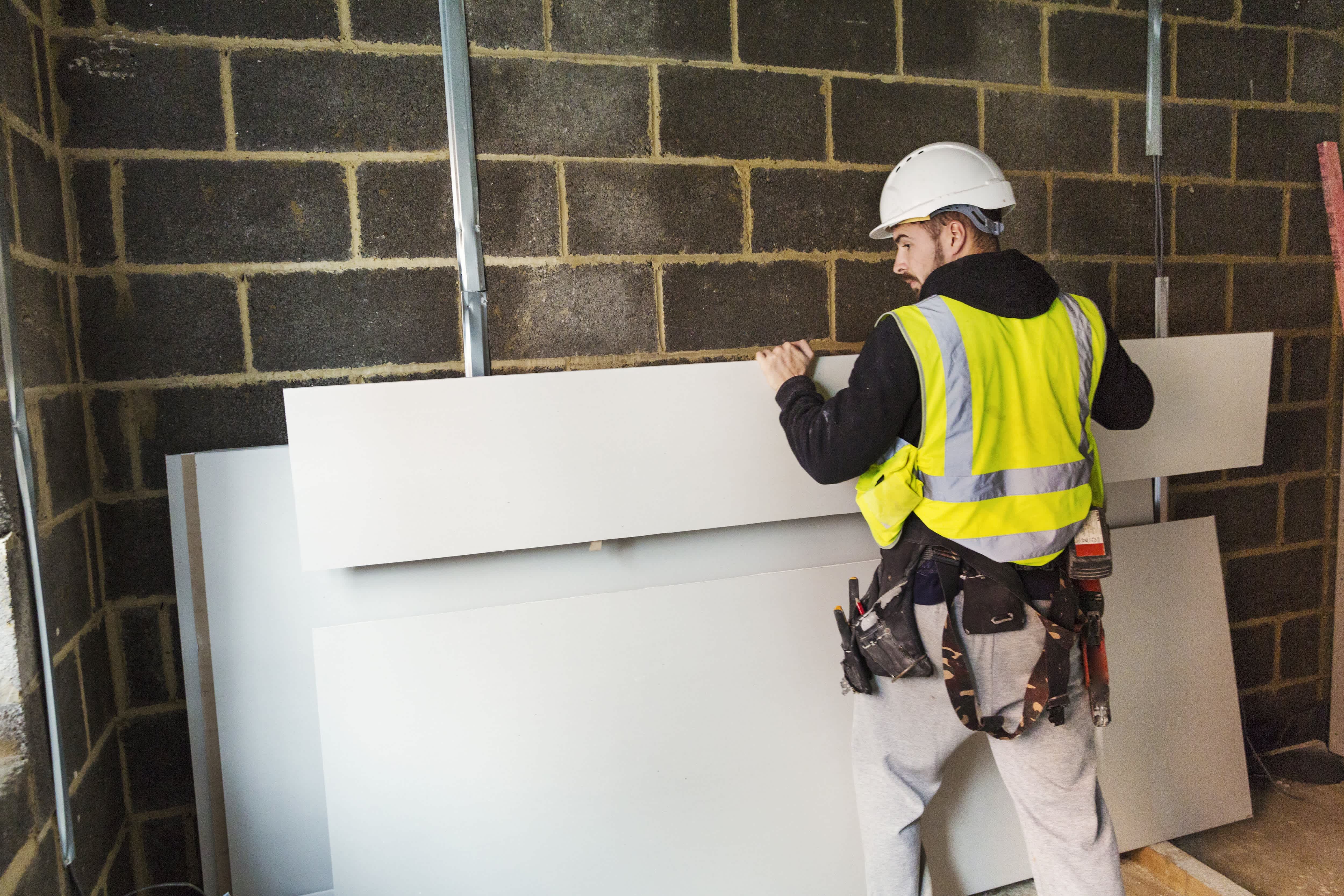
The two most common drywall thicknesses for ceilings are 1/2-inch and 5/8-inch. For most standard residential applications, 1/2-inch drywall is sufficient and widely used. It provides adequate support and is lighter and easier to handle during installation compared to thicker sheets. However, 5/8-inch drywall is often used for specific cases where additional benefits are needed. It is heavier but provides superior sound dampening and fire resistance. You should consider using 5/8-inch drywall for ceilings in commercial buildings, between a garage and a living space, or above a finished basement to meet building codes or for enhanced soundproofing.

Both plaster and drywall are durable wall finishes, but they differ significantly in installation, cost, performance, and aesthetics.

Installation & Cost: Drywall installation is faster and more affordable, typically costing $1.50 to $3 per square foot. It uses premade sheets, making it a more accessible DIY project. Plastering is a labor-intensive craft that requires specialized skills, pushing costs to $2 to $10 per square foot. It involves applying a wet paste over a lath framework.

Durability & Performance: Plaster is generally more durable, longer-lasting, and provides superior soundproofing. It is also a better insulator, which can help reduce energy costs. Drywall is easier to remove for future renovations.

Aesthetics: Drywall provides a smooth, uniform surface ready for paint or texture. Plaster offers a high-end, naturally textured look that can hide imperfections and is often preferred for achieving a classic or historic aesthetic.

Which is better? The choice depends on your priorities. Drywall is ideal for those prioritizing a lower upfront cost, faster installation, and DIY potential. Plaster is the better option for a higher-end project where durability, soundproofing, and a unique, premium finish are more important than the initial cost.
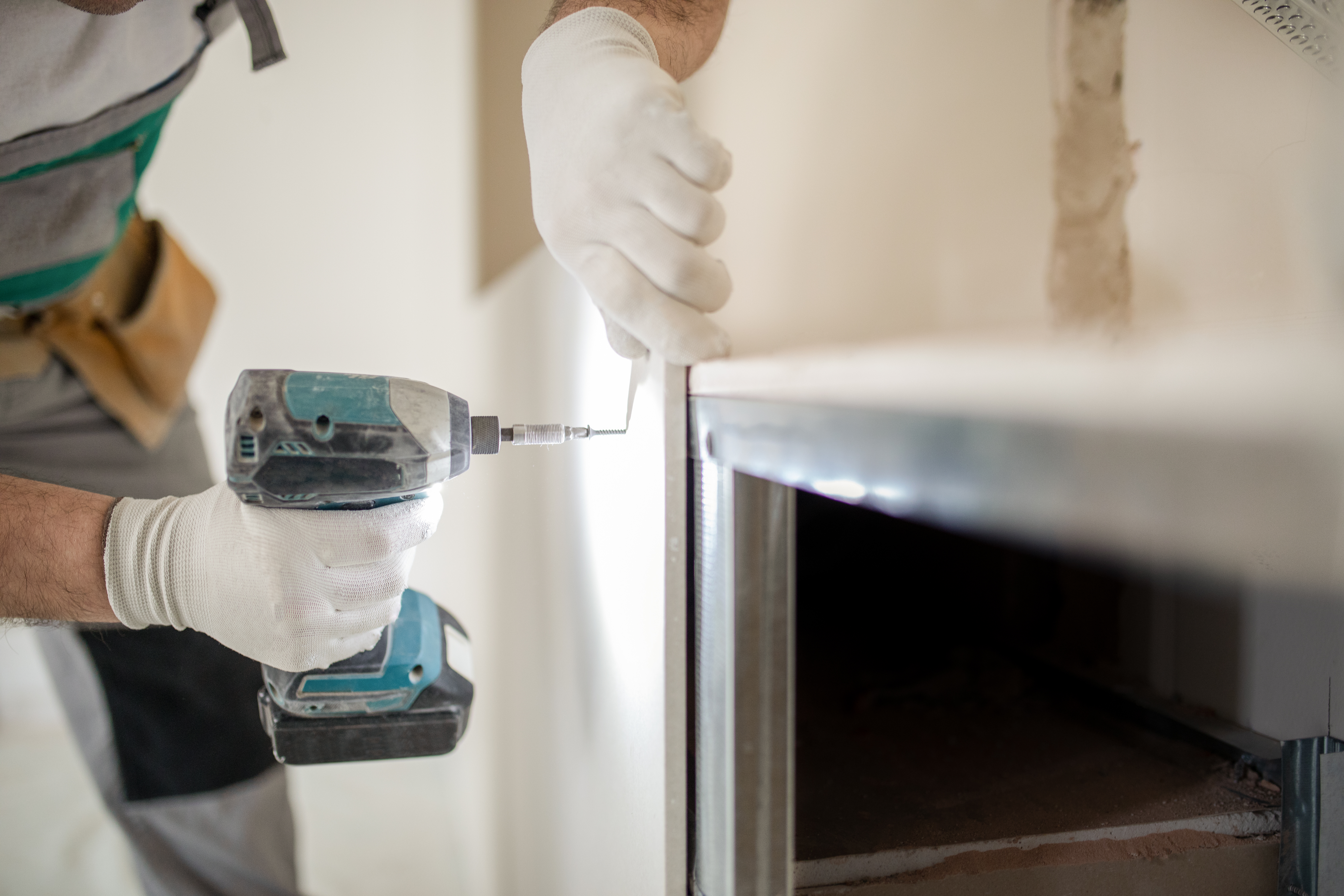
While not always necessary, you can glue a drywall ceiling in addition to using screws or nails. Drywall is typically secured to ceiling joists with fasteners, which is often sufficient. However, adding construction adhesive can offer benefits like preventing sagging, bridging gaps, and reducing air leaks for better energy efficiency. It may also be used for specific acoustic or insulation needs. On the other hand, many professionals advise against it because properly placed screws make the drywall structural, glue doesn't add strength, and it makes future repairs or replacements significantly more difficult. Ultimately, it's best to follow local building codes and project-specific requirements to decide if adhesive is right for your ceiling.
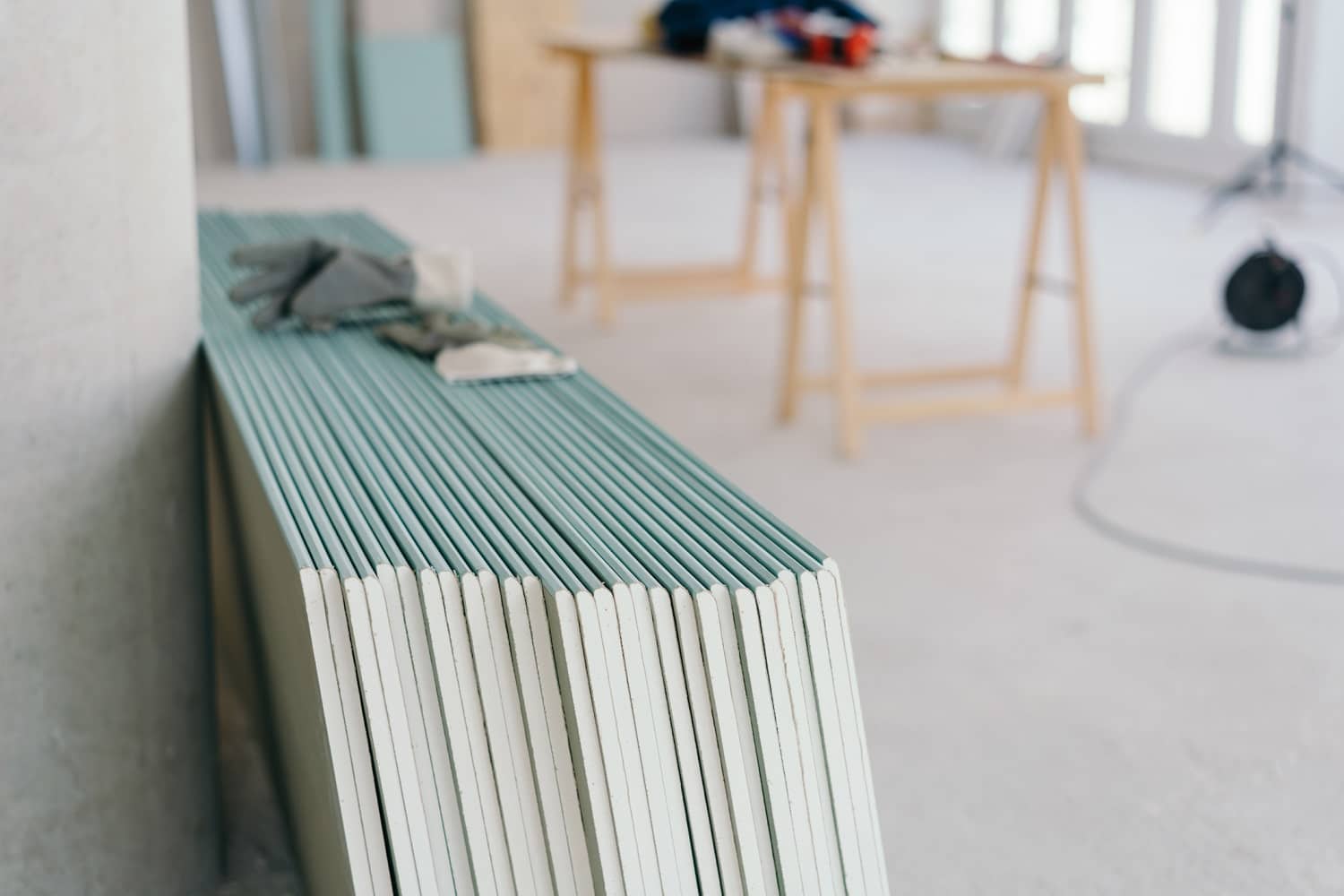
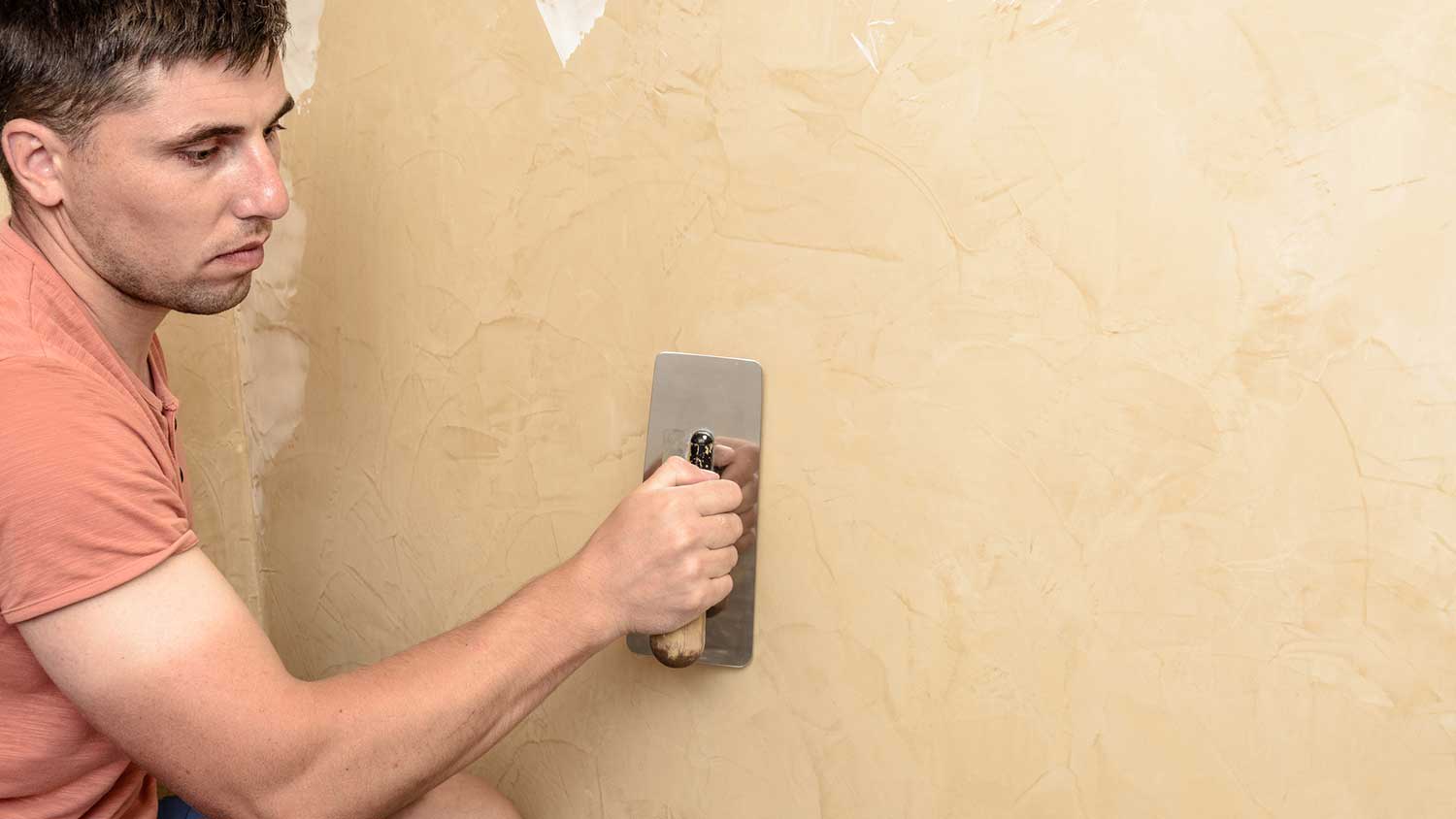
Yes, applying a texture can hide minor imperfections and irregularities in drywall, but it will not cover significant damage like nail marks or screw holes. The best texture depends on the size of the flaws. For minor imperfections, popular choices like orange peel, sand, or popcorn texture are effective. For larger imperfections, you may need a more prominent style, such as a knockdown or trowel finish, to conceal them effectively.

Beadboard is a decorative element and lacks the structural integrity of drywall. It cannot hold much weight and is not meant to be used as an insulator or moisture barrier, like drywall is. In almost all cases, beadboard is placed over an existing wall surface which, in modern days, is usually drywall, but decades ago could have been wood paneling.

The Marietta, NY homeowners’ guide to drywall services

From average costs to expert advice, get all the answers you need to get your job done.