




Top-rated fencing pros.

Get matched with top fencing pros in Bangor, NY

Enter your zip and get matched with up to 5 pros

Need a pro for your fencing service project in Bangor, NY?

Select your specific project to find the pro for you.

Find Fencing pros in Bangor

Avatar for Twin Tier Flooring & Construction
Twin Tier Flooring & Construction
3.8(
9
)
Barbed Wire Fence - InstallBarbed Wire Fence - RepairChain Link Fence - Install+6 more

Serving Bangor, NY and surrounding areas

In business since 2020

Free estimates

Small jobs welcome

"Darren the owner pays close attention to the quality of work him and his crew do he's always checking everything and making his guys fox even things that aren't wrong but it's gotta be perfect and his timleyness and price are also very good and competitive"
Bedroom walls
Bathroom
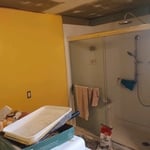
Bathroom
Window Trim
Bathroom

+4

Response time1 day
Recommended by71%of homeowners
Showing 1-10 of 17
Fencing questions, answered by experts

The most common hog wire gauge for a fence is 12.5. However, you can choose from a few gauges based on your needs. While 12.5 is a reliable gauge for penning in large, strong animals, 9 gauge is a better option of you have large animals that are easily spooked, such as horses. For smaller animals, like dogs or pigs, you can use a 16 gauge hog wire.

It provides security, durability, and low-maintenance protection for commercial properties.

The ideal distance between fence posts depends on several factors, including the terrain, the purpose of the fence, and the material used. For different types of fences, here are some general guidelines:

  • Wood and Metal Fences: Posts should be spaced between 5 and 8 feet apart.

  • Vinyl Fences: Spacing can be between 6 and 8 feet.

  • Chain-Link, Mesh, or Lattice Fences: Posts can be set anywhere from 4 to 25 feet apart, with 4-10 feet being common for chain-link.

  • Wire Fences: Spacing can be up to 12 feet apart.

You’ll need to bury the garden fence about 1 foot underground. It’s tempting to save on materials by burying the fence just a couple of inches, but if you do so, determined pests will still be able to dig under the fence and access your plants. Burying your garden fence deep into the soil is an important step that allows you to attach a wire barrier to the fencing. 

Burrowing animals (like voles, moles, rabbits, and gophers) can’t dig or chew through this wiring, meaning that you’ll be keeping your prized petunias or your robust veggie garden from being eaten.

There are many types of wood fencing that you can choose from. For split rail fencing, the most common wood types are cedar, pine, black locust, and chestnut. The best wood for you will depend on if you like the way a certain wood looks and the availability of the wood type in your area.

Most of the wood types you can find at your local home improvement store are good choices since they all have rot-resistant properties or are pressure-treated with pesticides. If none of the wood options speak to the look you’re going for, check out vinyl fencing.

The Bangor, NY homeowners’ guide to fencing services

From average costs to expert advice, get all the answers you need to get your job done.