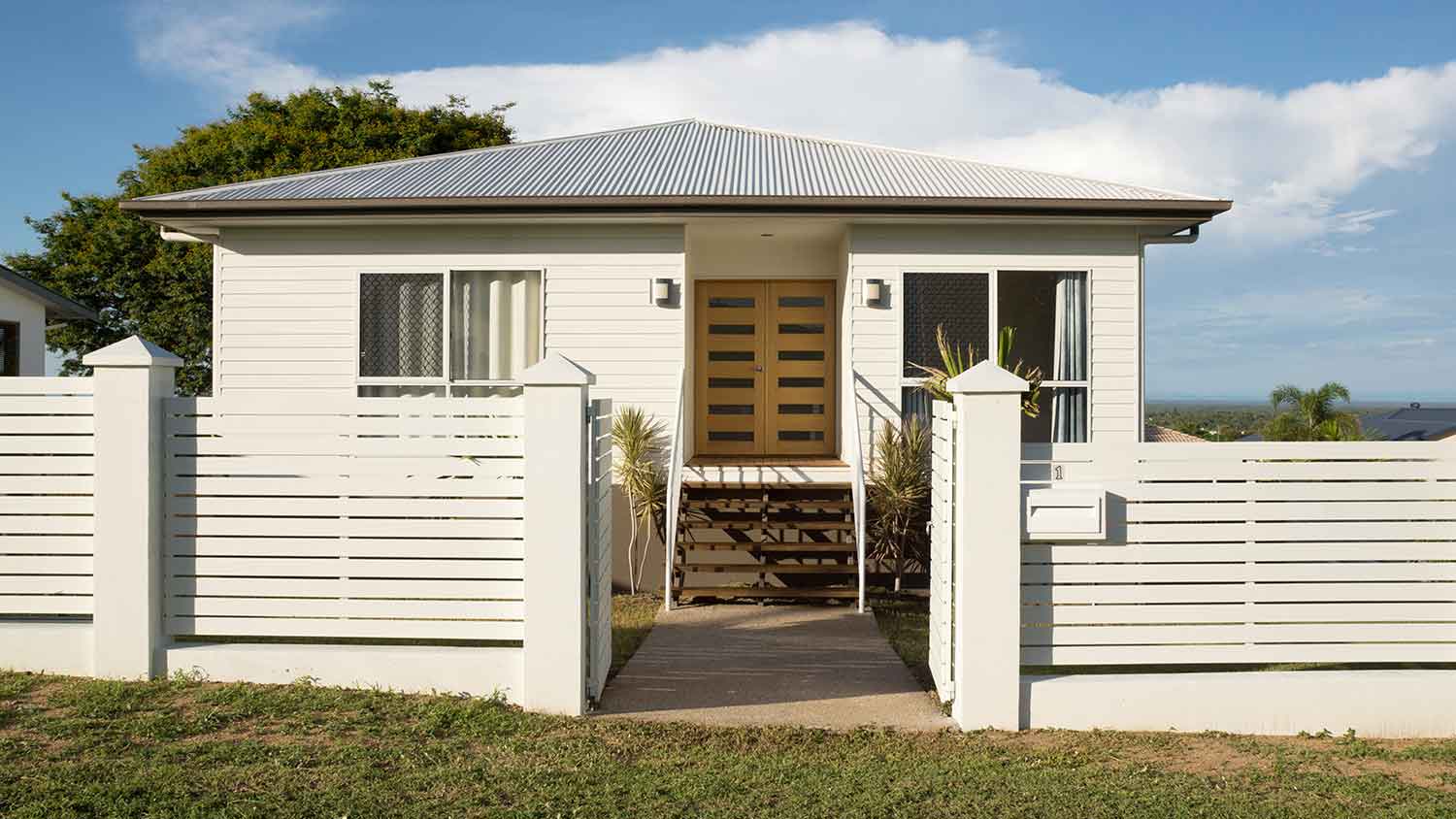



Top-rated fencing pros.

Get matched with top fencing pros in Waddington, NY

Enter your zip and get matched with up to 5 pros

Need a pro for your fencing service project in Waddington, NY?

Select your specific project to find the pro for you.

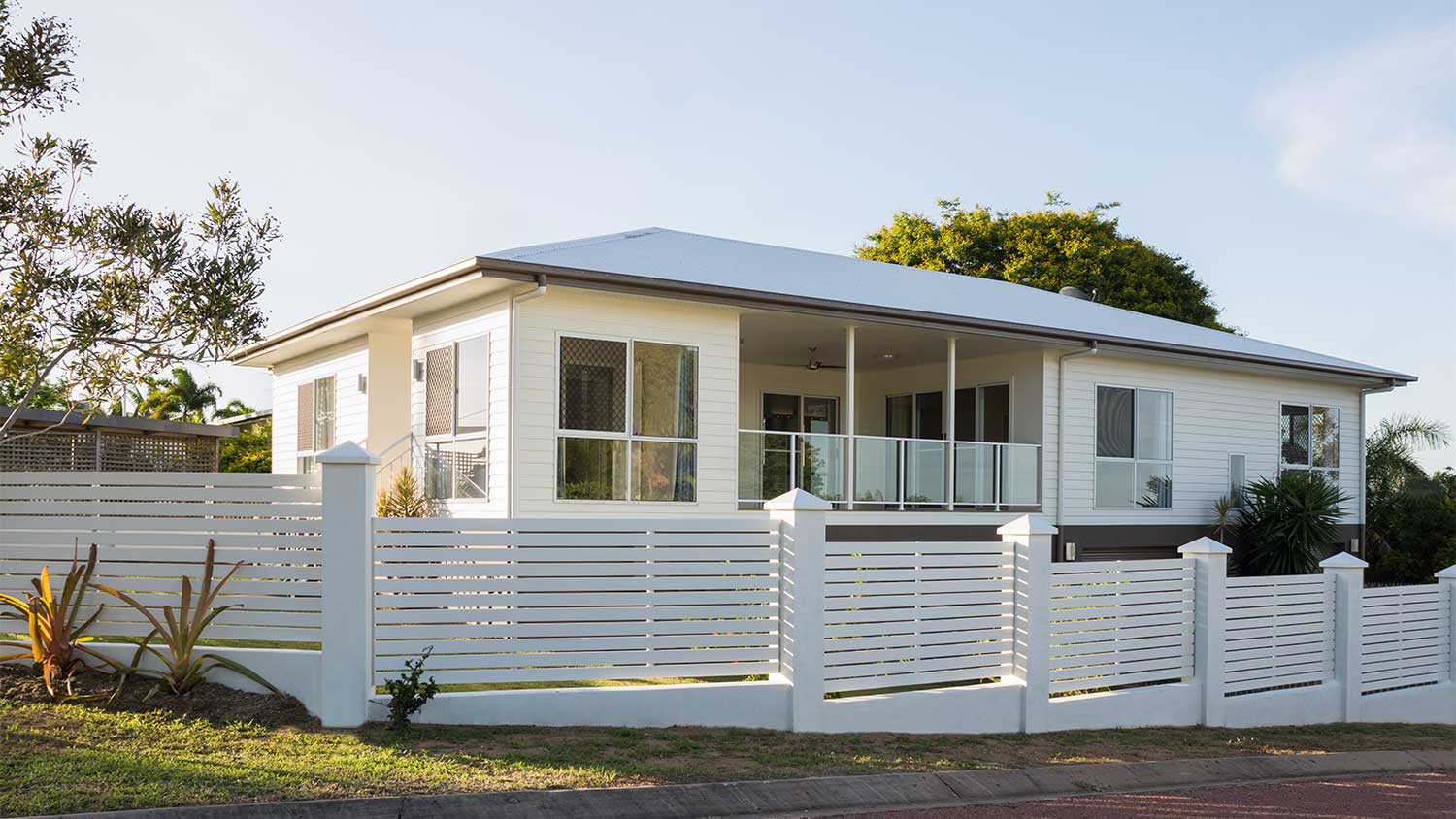
Find Fencing pros in Waddington

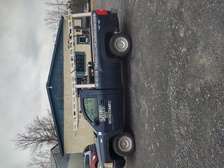
Avatar for H&SCLEANUP
H&SCLEANUP
3.3(
13
)
Wood Fence - Repair

Serving Waddington, NY and surrounding areas

In business since 2010

Free estimates

Credit card accepted

"The work was done very professionally. Communication was good and clear Work excellent. They cleaned up as they worked. They were very polite and courteous,. We are very pleased with the job, the quality of workmanship, and highly recommend H&S Cleanup. We will be hiring them again. Thank you Angi."
Response time1 day
Recommended by87%of homeowners
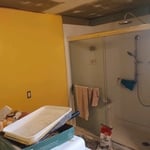
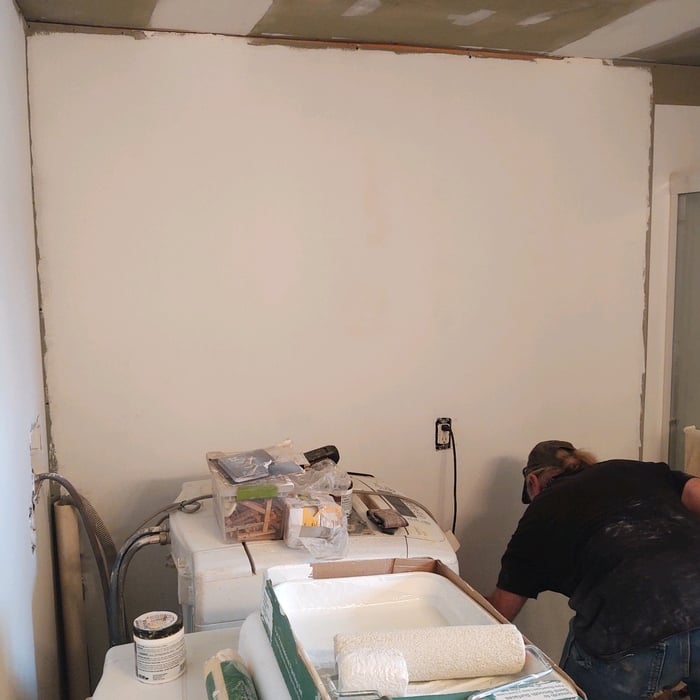
Avatar for Twin Tier Flooring & Construction
Twin Tier Flooring & Construction
3.8(
9
)
Barbed Wire Fence - InstallBarbed Wire Fence - RepairChain Link Fence - Install+6 more

Serving Waddington, NY and surrounding areas

In business since 2020

Free estimates

Small jobs welcome

"Darren the owner pays close attention to the quality of work him and his crew do he's always checking everything and making his guys fox even things that aren't wrong but it's gotta be perfect and his timleyness and price are also very good and competitive"
Bedroom walls
Bathroom
Bathroom
Window Trim
Bathroom

+4

Response time1 day
Recommended by71%of homeowners

Showing 1-10 of 26
Fencing questions, answered by experts

Yes, you can use a floor jack to remove fence posts. Attach a stem to the base of the fence post so you can position the floor jack underneath. The stem can be a scrap piece of wood attached with nails or a sturdy nail itself. Put the jack beneath the stem and push the lever to lift up on the fence post and remove it from the ground.

Who pays for a new fence between neighbors depends on its location relative to the property line. If you build the fence entirely on your property, you are solely responsible for the costs of installation, maintenance, and repair. If the fence is built directly on the property line, both neighbors are typically responsible for the costs. In this case, it is essential to consult with your neighbor beforehand to agree on a plan for payment. While you should always inform your neighbor of your plans in advance, you generally cannot force them to contribute financially unless there are specific local laws, such as in California, where both parties might be responsible for costs unless a different agreement exists. It's a good idea to get a property line survey to know the exact boundaries before building.

You can use pressure-treated wood for a horizontal fence, but you’ll need to purchase a thicker and higher-quality variety to ensure it doesn’t sag or warp after you install it. Use #2 pine grade lumber and boards and thicker dimensional lumber, such as a two-by-six. You’ll also need to use stainless steel or hot-dipped galvanized fasteners, as the chemicals in the treated lumber will cause regular galvanized fasteners to rust. 
A wrought iron fence is generally considered a worthwhile investment, provided the cost fits your budget and its characteristics meet your needs. While it is an expensive material, its exceptional durability and longevity mean you can save money over time by not having to replace it.

Key benefits include:

  • Durability and Security: Wrought iron is strong and provides excellent security for your home.

  • Longevity: With proper maintenance, it can last a lifetime or longer.

  • Aesthetics: It offers a classy, timeless, and elegant look that can boost your home's curb appeal and property value, especially when complementing brick or stone architecture.
However, it's important to note that wrought iron fencing does not offer much privacy. If professionally installed and maintained, it is a sound long-term investment.

Whether you need a permit to build or install a fence depends on several factors, including your location, the fence's height, its placement in your yard, and the materials used. In many cities and highly populated areas, a permit is required, especially for fences taller than 6 feet. Conversely, rural areas may have fewer restrictions. Typically, backyard privacy fences 6 feet or shorter do not require a permit, while front yard fences often have a lower height limit, sometimes as low as 3.5 feet. There can also be exceptions for properties in mixed residential-commercial zones. It's best to check with your local building inspection or zoning department to understand the specific requirements, height restrictions, and location rules for your area. A professional fence installer can help you navigate this process and often secure the necessary permits for you, though this may extend the project timeline.

The Waddington, NY homeowners’ guide to fencing services

From average costs to expert advice, get all the answers you need to get your job done.