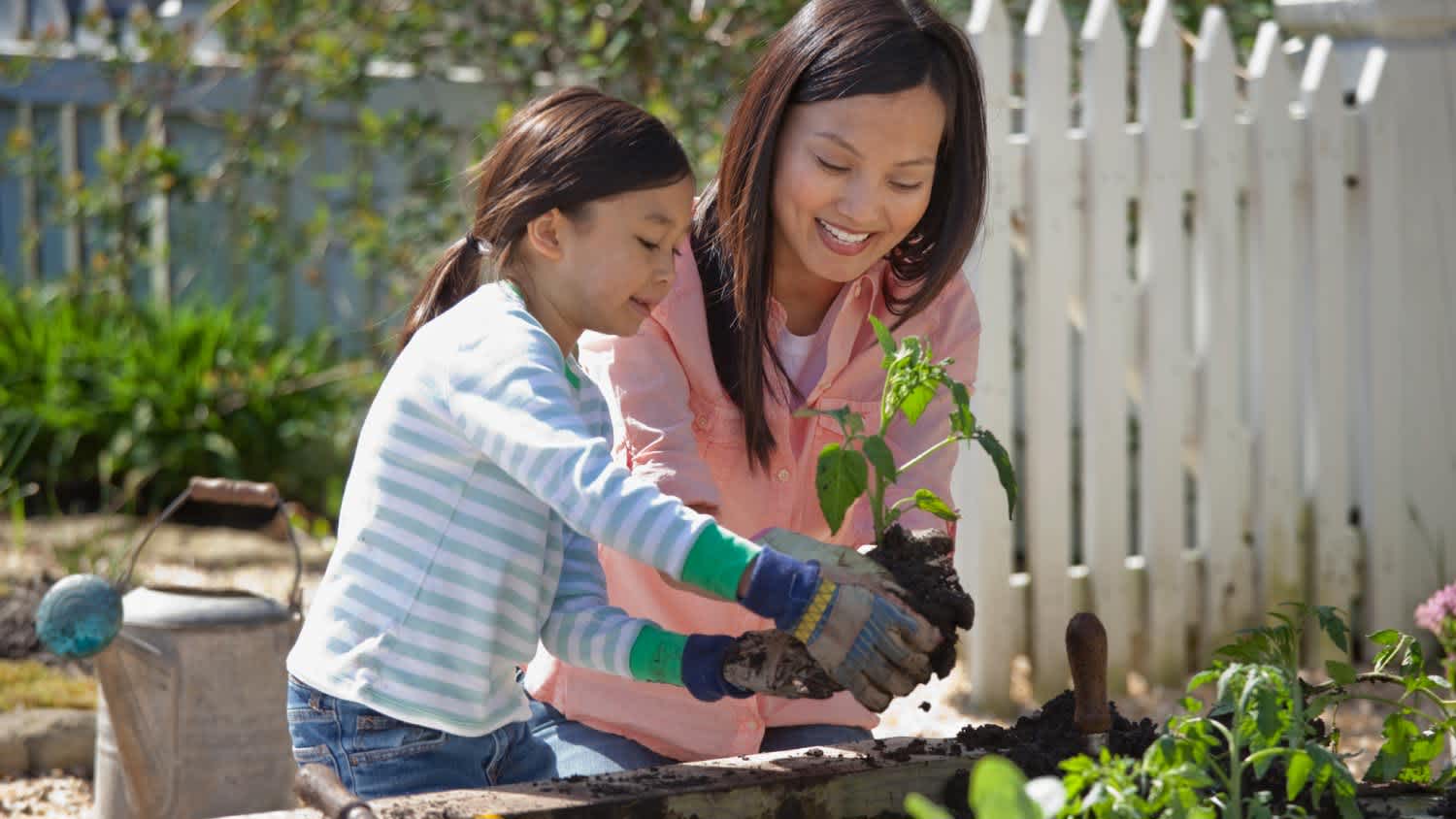



Top-rated plant watering pros.

Get matched with top plant watering pros in Nambe, NM

Enter your zip and get matched with up to 5 pros

Need a pro for your plant watering project in Nambe, NM?

Select your specific project to find the pro for you.

TRUSTED BY NAMBE, NM HOMEOWNERS

  • Average homeowner rating star icon4.5
    Average homeowner rating
  • Verified reviews icon241
    Verified plant watering services reviews

Find Plant watering pros in Nambe

No results for Plant watering pro in

Try adjusting your search criteria.
Plant Watering questions, answered by experts

You can plaster over regular drywall, but it's essential to prepare the surface properly. Before plastering, the drywall should be clean, free of dust, and any loose or peeling paint should be removed. Applying a primer specifically designed for plastering can improve adhesion. Some professionals recommend applying a base coat of plaster or joint compound to create a better surface for the plaster to adhere to. Proper preparation ensures a smooth and durable plaster finish over regular drywall.

Yes, any parts of drywall that are wet or overly moist will need to be replaced. Drywall is intended to be dry (it’s in the name, after all.), as excess moisture can lead to mold and mildew and eventually corrode your home’s foundational building pieces. Do regular inspections in your home to make sure all your plumbing is intact and in good condition—this will go a long way toward preventing leaks.

Certain drywall textures, like sand and sometimes popcorn, can be smoothed by applying skim coats, sanding the walls, or chipping away the texture. However, it’s worth considering removing the texture and starting with a blank canvas. Smoothing textured walls requires a lot of sandpaper and elbow grease and can take longer than just outright removing the texture.

Both plaster and drywall are durable wall finishes, but they differ significantly in installation, cost, performance, and aesthetics.

Installation & Cost: Drywall installation is faster and more affordable, typically costing $1.50 to $3 per square foot. It uses premade sheets, making it a more accessible DIY project. Plastering is a labor-intensive craft that requires specialized skills, pushing costs to $2 to $10 per square foot. It involves applying a wet paste over a lath framework.

Durability & Performance: Plaster is generally more durable, longer-lasting, and provides superior soundproofing. It is also a better insulator, which can help reduce energy costs. Drywall is easier to remove for future renovations.

Aesthetics: Drywall provides a smooth, uniform surface ready for paint or texture. Plaster offers a high-end, naturally textured look that can hide imperfections and is often preferred for achieving a classic or historic aesthetic.

Which is better? The choice depends on your priorities. Drywall is ideal for those prioritizing a lower upfront cost, faster installation, and DIY potential. Plaster is the better option for a higher-end project where durability, soundproofing, and a unique, premium finish are more important than the initial cost.

The age of your home can clue you in to whether you have plaster or drywall ceilings. Homes built after the ‘70s are more likely to have drywall ceilings and walls, while older homes have plaster. You can also do the pushpin test: A pushpin will go into drywall, whereas it’s much harder to push one into a plaster wall. If you’re still unsure, ask a drywall professional to let you know which type of ceilings and walls you have.

The Nambe, NM homeowners’ guide to plant watering services

From average costs to expert advice, get all the answers you need to get your job done.