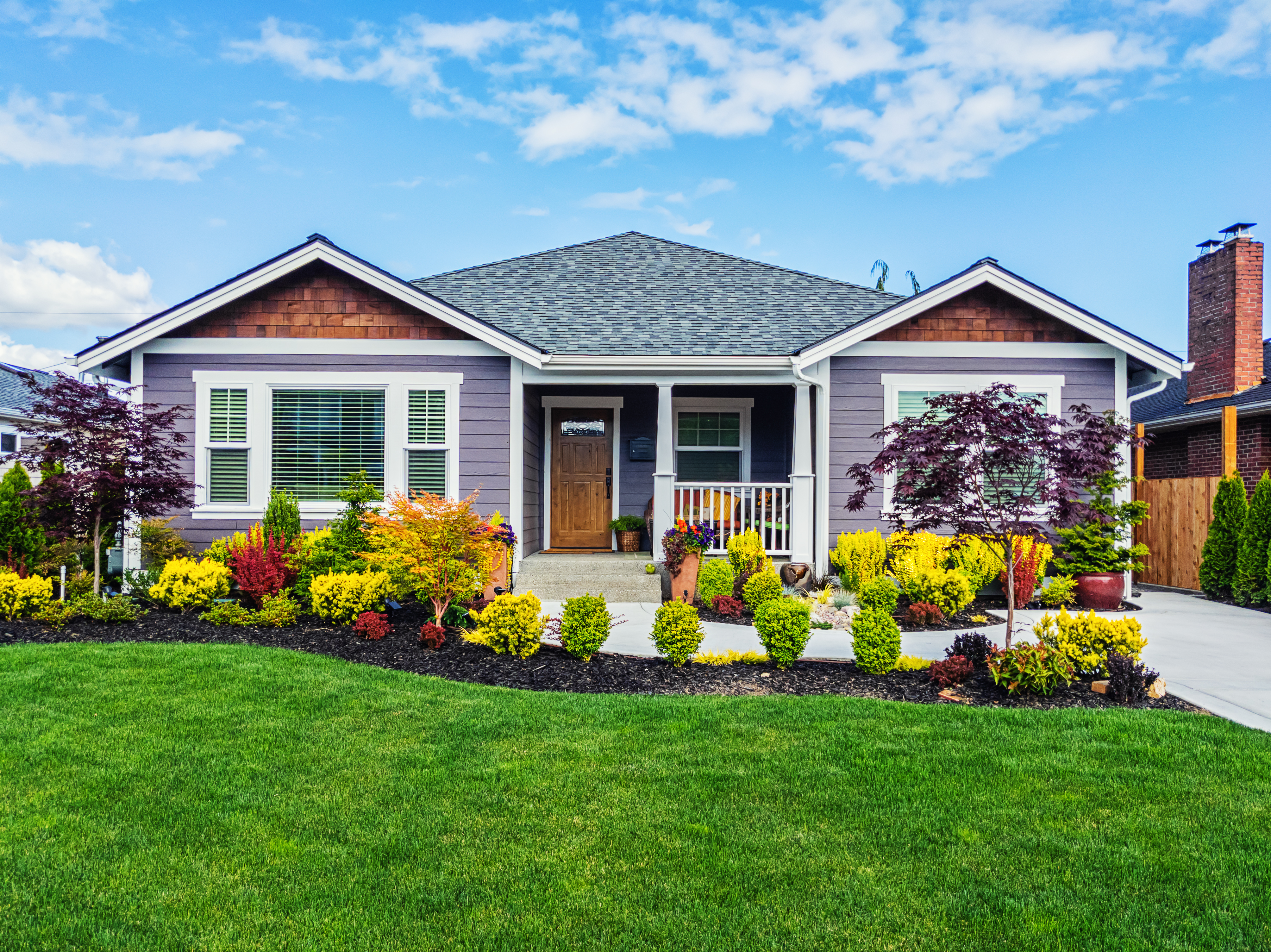
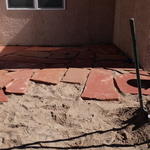
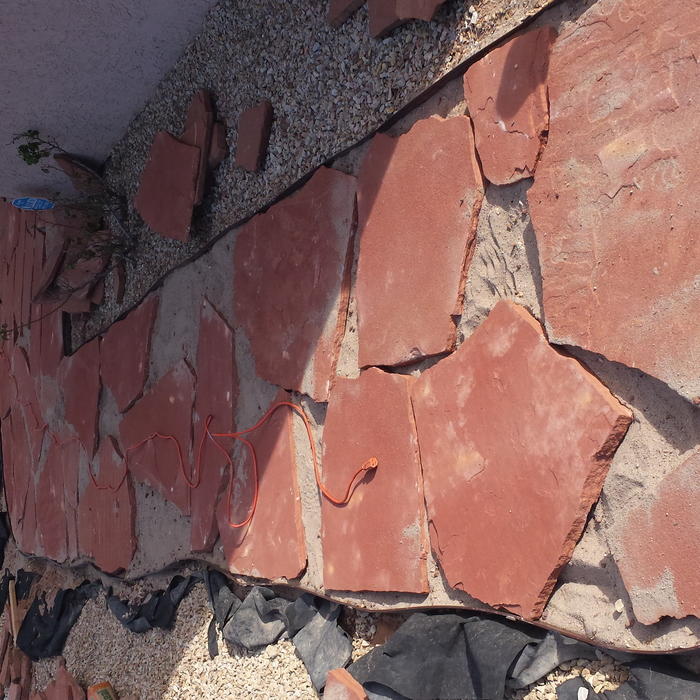
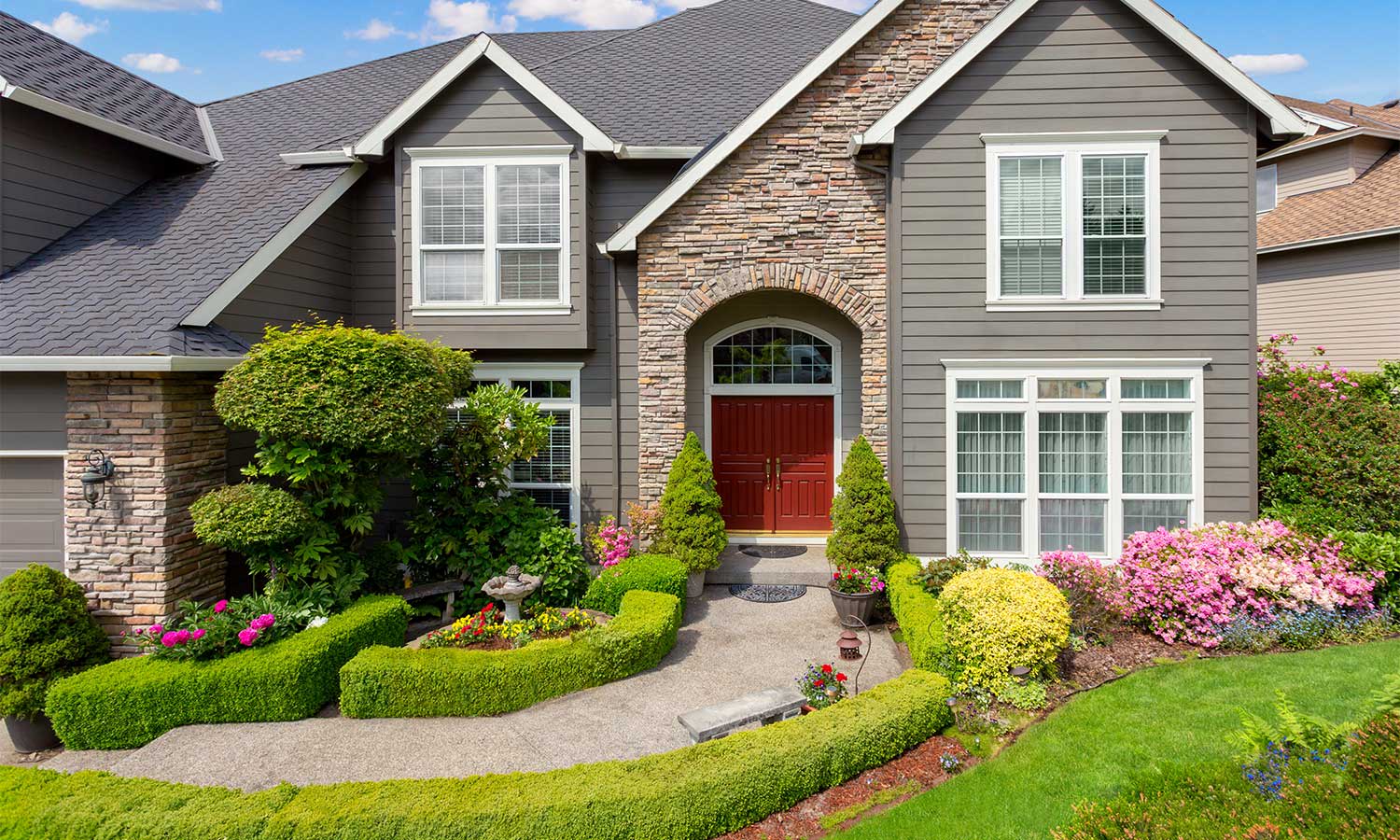
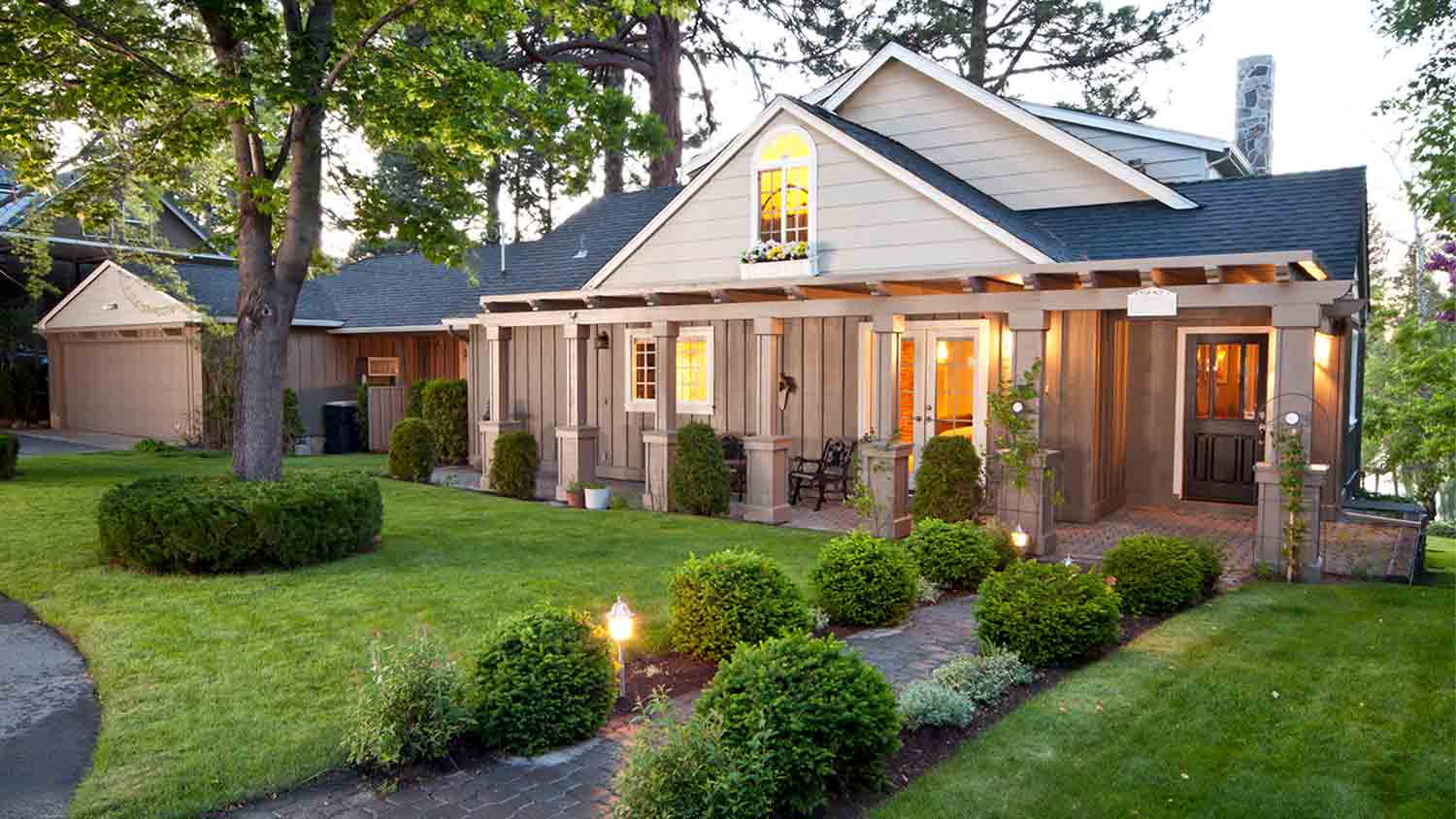
"Santiago was a pleasure to work with. He and his staff were professional, courteous, and experienced. They did an excellent job landscaping the front bed, interior patio and back patio garden. I recommend Roadrunner Landscaping & Maintenance highly."
"This company was very professional. The work that was done is amazing. The project was completed in a timely manner. Everything that I wanted done was done right. They even cleaned up after themselves. The piece of property that I needed cleaned up had weeds that were peeking over a 6ft fence. It would have been impossible for me to accomplish this project. I cannot stress enough how hard this company worked. The owner was polite and friendly. He came out to personally make sure I was pleased with the work."
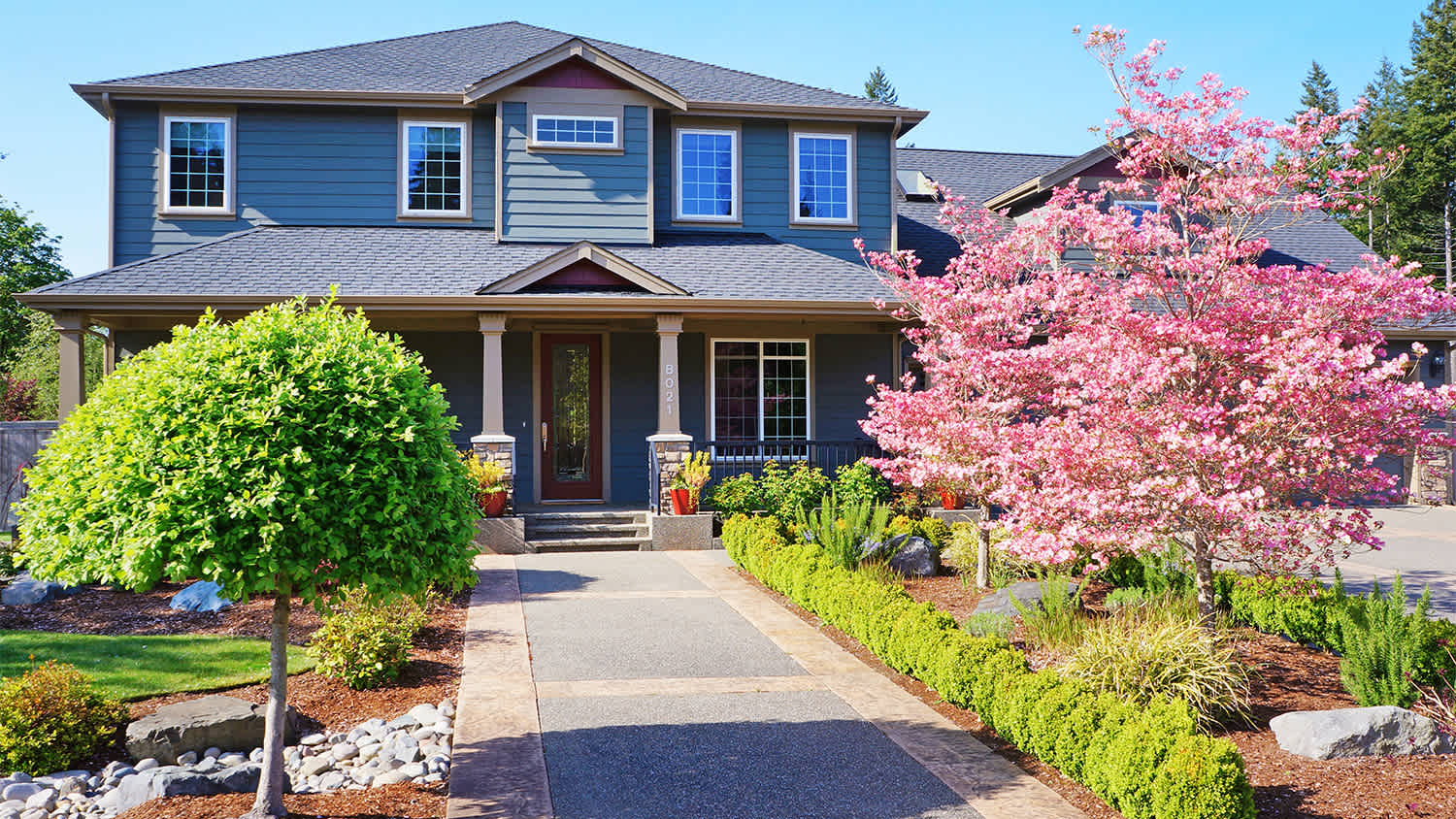
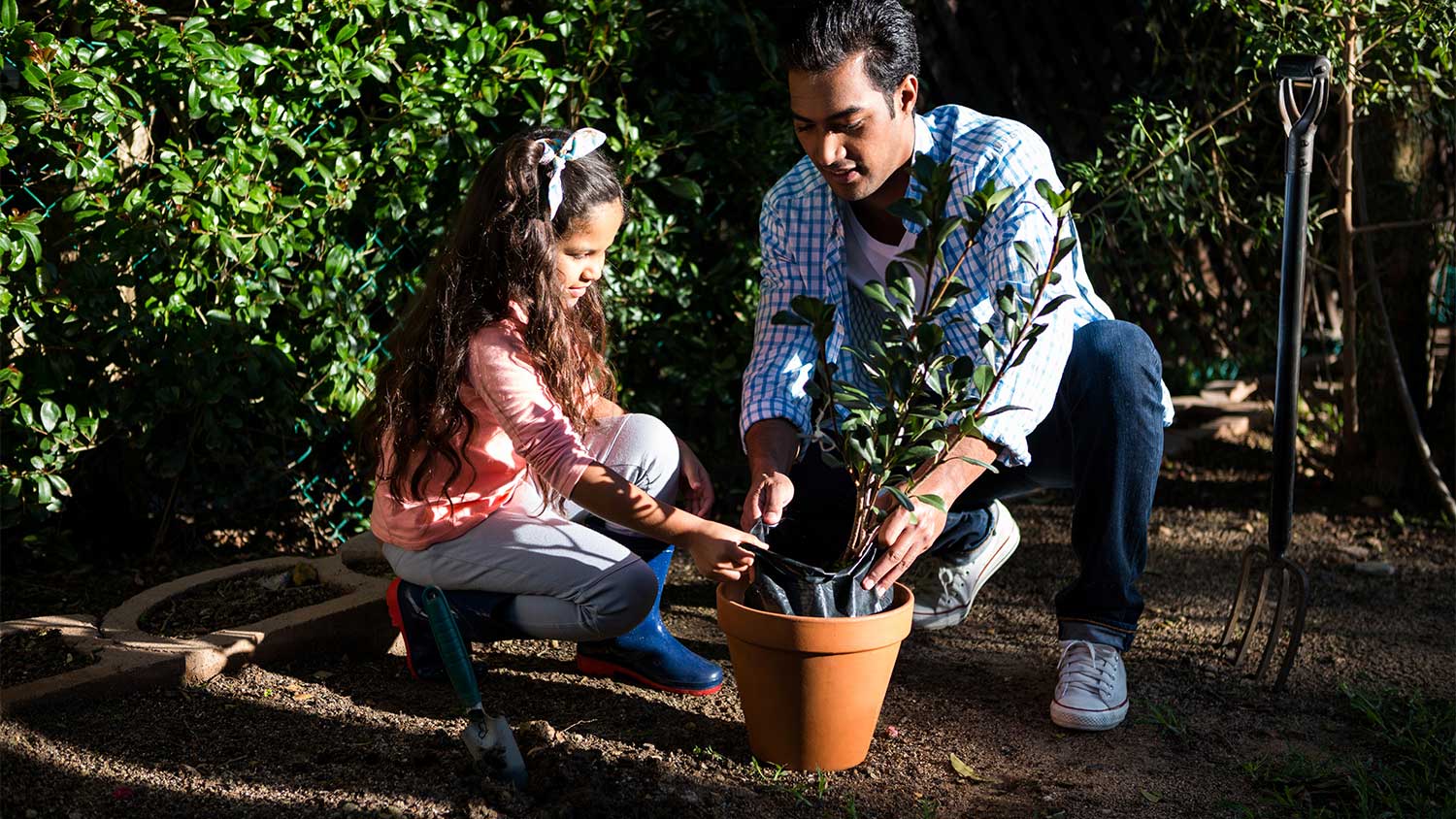
You should plant trees at least 15 to 20 feet away from your house, and more if the tree will grow large and spread its limbs. Trees pose several dangers to houses when planted too close. They can litter the roof with leaves and branches, create fire hazards, make a ladder for larger pests, and even damage the foundation as their roots grow.
If you want to take your tree-planting hobby beyond your outdoor space, here are a few great ways to do it:
Encourage your neighbors to participate in the Arbor Day Foundation’s Tree City USA program, which has a four-step framework that helps communities grow and maintain their own tree cover.
Support businesses that plant trees.
Lobby your local government to plant more trees around your community.
Donate to a tree-planting charity.
The best type of rock for landscaping depends on your specific project and needs, as different rocks are suited for different applications. For covering large areas or creating an affordable driveway, consider gravel, but note that it can wash away in flowing water. For water features, river rocks are a good option. Flagstone and cobblestone are ideal for aesthetically pleasing patios and walkways. If you are building a stone wall, fieldstone or small boulders are up to the task. Large boulders and landscape rocks work well as statement pieces, to fill empty space, or to indicate boundaries, but be mindful that they can overwhelm smaller gardens. The best approach is to first define your landscaping project and then select the rock type that best fits that purpose.
Yes, you can absolutely transplant bushes instead of removing them completely. The success depends on the size of the bushes, their age, and the transplanting season. Ideally, transplant during the dormant season (late fall or winter). Dig out the entire root system in one piece, fill the new hole with fresh soil and mulch, and water thoroughly after planting.
The most important thing to put under a rock garden is the appropriate soil. The specific soil needed will depend on the type of plants you’re growing as well as the environment you live in. You can also put non-woven or woven fabric under the rocks to add to the garden's structural stability.
The Loving, NM homeowners’ guide to landscaping services
From average costs to expert advice, get all the answers you need to get your job done.
A landscape designer can elevate your outdoor space and bring your vision to life. Use this landscape design cost guide to budget for your next project.
A good landscaping website can help you land more sales and build your credibility. Read our list of must-have pages and ideas for your website to help potential clients find you and drive more business for your lawn care company.