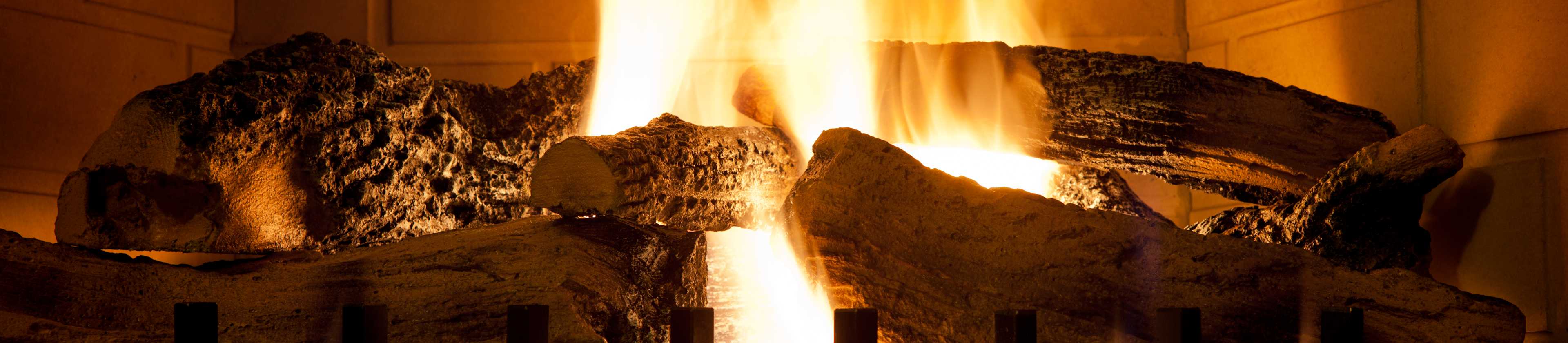



Top-rated fire pit installation pros.

Get matched with top fire pit installation pros in Kirtland Afb, NM

Enter your zip and get matched with up to 5 pros

Need a pro for your fire pit installation project in Kirtland Afb, NM?

Select your specific project to find the pro for you.

TRUSTED BY KIRTLAND AFB, NM HOMEOWNERS

  • Average homeowner rating star icon4.5
    Average homeowner rating
  • Verified reviews icon656
    Verified fire pit installation services reviews

Find Fire pit installation pros in Kirtland Afb

No results for Fire pit installation pro in

Try adjusting your search criteria.
Fire Pit Installation questions, answered by experts

When a carbon monoxide alarm goes off, you should always take it seriously. Infrequent and occasional chirps often point to a low battery, a faulty device, or dust buildup (this usually affects smoke detectors and not standalone CO detectors). A continuous alarm signals an emergency, and you should immediately evacuate and call 911. When it comes to carbon monoxide in your home, it’s better safe than sorry.

Yes, a water leak poses a major fire risk at your home because water is a conductor of electricity. Water that comes into contact with sparks or electrical wires can instantly ignite flammable materials. Additionally, any type of exposure to water can cause wires and other electrical components within your home to corrode. When assessing categories of water damage, it's important to know that even a small amount of moisture near wiring could cause sparks that lead to a fire.

Your local town or municipality’s fire code and other applicable ordinances will set out the requirements for installing and maintaining a private fire hydrant. These rules can vary from place to place, so it’s crucial to consult with your town’s fire or code enforcement departments before you install a private hydrant on any property you own. Alternatively, you can hire a professional fire service consultant to help you interpret local laws and ensure you’re fully compliant with those requirements.

The damper, located just above the firebox, can open or close the chimney flue. The damper should remain closed unless there’s a fire burning in the fireplace. Closing the damper prevents energy loss through the chimney and cold air from seeping into the home during the winter. Opening the damper helps maintain airflow when there is a fire and prevents smoke and gases from venting into the house.

Yes, it’s worth capping a chimney. Here are several reasons to install a chimney cap:

  • Keep out rain, snow, wildlife, and other debris

  • Help prevent chimney fires

  • Reduce your chimney’s exposure to moisture

  • Maintain your chimney flue liner

  • Help reduce energy bills by helping regulate your home’s temperature

The Kirtland Afb, NM homeowners’ guide to fire pit installation services

From average costs to expert advice, get all the answers you need to get your job done.