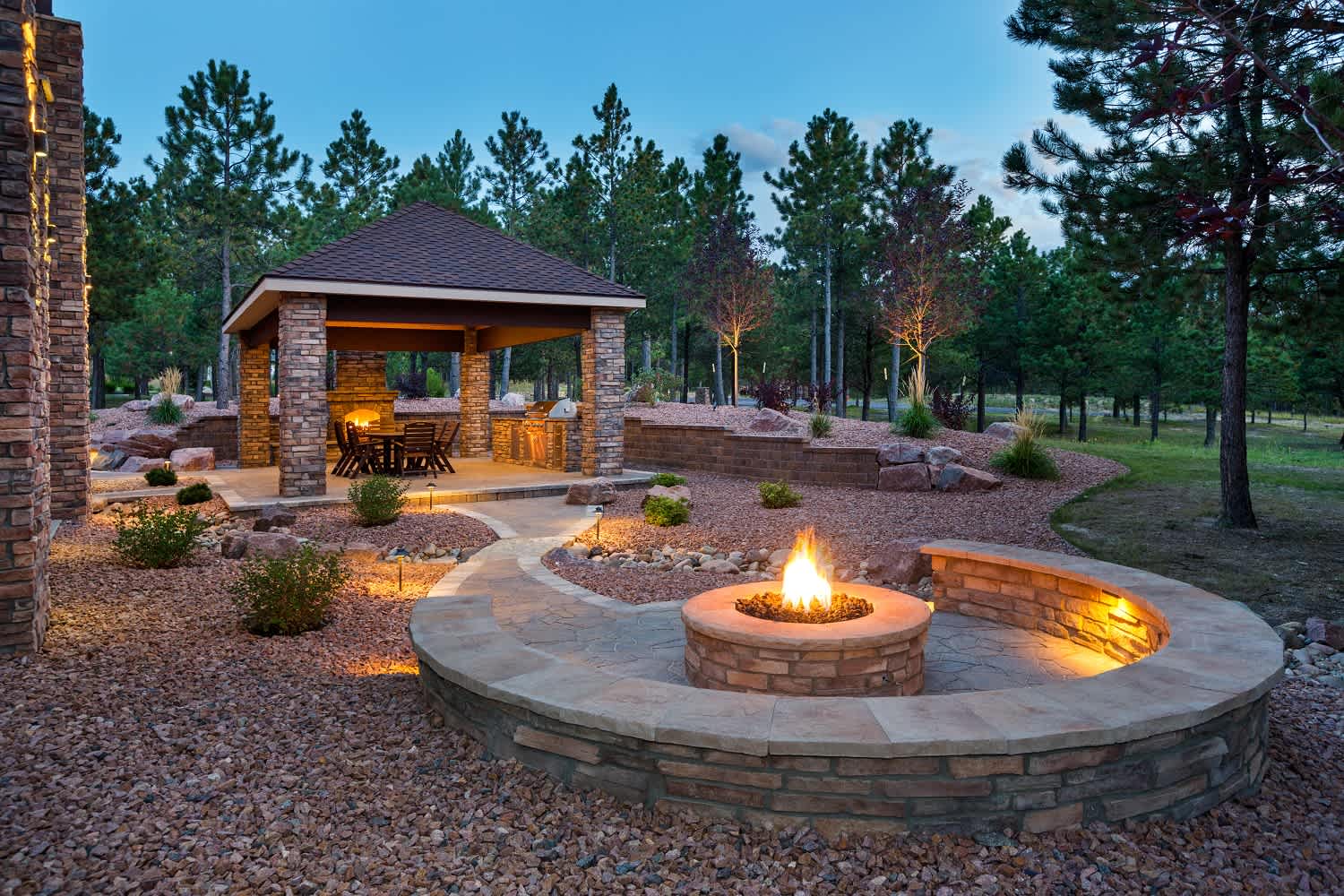






Top-rated fire pit installation pros.

Get matched with top fire pit installation pros in Tijeras, NM

Enter your zip and get matched with up to 5 pros

Need a pro for your fire pit installation project in Tijeras, NM?

Select your specific project to find the pro for you.

TRUSTED BY TIJERAS, NM HOMEOWNERS

  • Average homeowner rating star icon4.5
    Average homeowner rating
  • Verified reviews icon560
    Verified fire pit installation services reviews

Find Fire pit installation pros in Tijeras

No results for Fire pit installation pro in

Try adjusting your search criteria.
Fire Pit Installation questions, answered by experts

Yes, a faulty or broken light switch can be a serious fire hazard. Malfunctioning switches, often due to loose connections, exposed wiring, or overheating, can cause sparking or arcing. If you hear a crackling, popping, or hissing sound when you use the switch, it indicates live electricity arcing inside, which is a significant hazard that can ignite nearby flammable materials. If you suspect your light switch is faulty, turn off the power to that circuit at the breaker and contact a qualified electrician to remedy the issue.

Grounding is a great first step to prevent electrical shock, but you can take it further with GFCI outlets and AFCIs (arc fault circuit interrupters). In particular, AFCIs help protect against the type of electrical arcs that cause fires, like if a mouse chews on a wire or your laptop starts overheating at the wall. These are required in some areas of your home.

In general, it will take about 90 minutes to burn the creosote sweeping log by itself, allowing it to work its magic. This may be longer or shorter depending on the conditions of your chimney.

A chimney liner isn’t required for an outdoor fireplace; you don’t technically need one if the masonry chimney uses the proper dimensions and is built to code. However, a chimney liner does serve as a protective coating for the flue. Adding a liner could improve performance, safety, and durability. In short, while not necessary, it wouldn’t hurt.

When a carbon monoxide alarm goes off, you should always take it seriously. Infrequent and occasional chirps often point to a low battery, a faulty device, or dust buildup (this usually affects smoke detectors and not standalone CO detectors). A continuous alarm signals an emergency, and you should immediately evacuate and call 911. When it comes to carbon monoxide in your home, it’s better safe than sorry.

The Tijeras, NM homeowners’ guide to fire pit installation services

From average costs to expert advice, get all the answers you need to get your job done.