
Get matched with top fence painters in Hatch, NM
Top-rated fence painters.

Need a pro for your fence painting project in Hatch, NM?

Select your specific project to find the pro for you.

Find Fence painters in Hatch

No results for Fence painter in

Try adjusting your search criteria.
Fence Painting questions, answered by experts

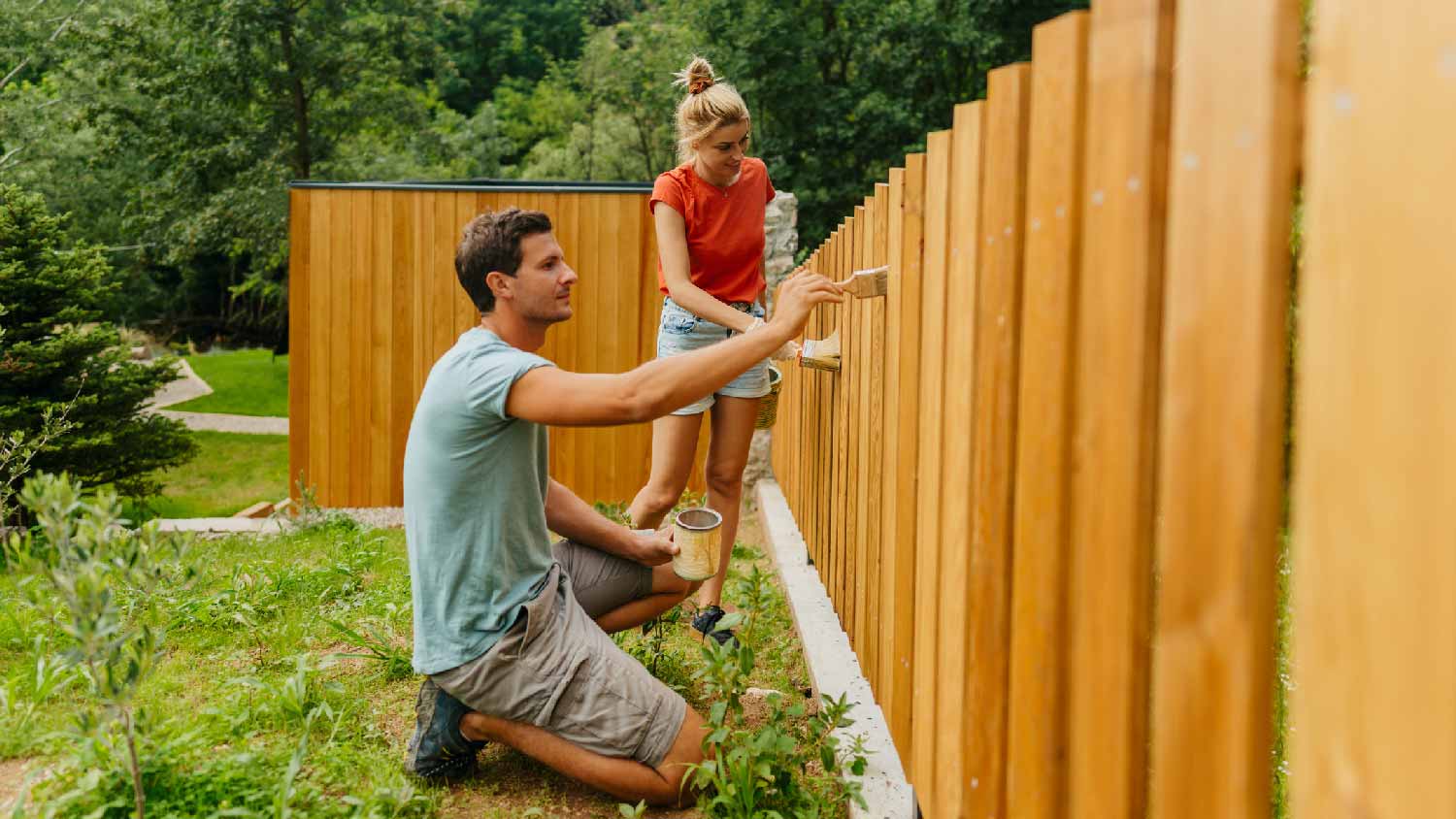
Staining or sealing a cedar deck or fence is highly recommended to extend its lifespan and protect it from the elements. While cedar is naturally resistant to mold and mildew, it is not impervious to damage from moisture, sun exposure, splintering, fading, and rot over time. Applying a protective finish creates a shield that preserves the wood's strength and appearance, potentially extending its life by five to 10 years.

When choosing a finish, it's helpful to understand the difference between a sealer and a stain. A sealer sits on top of the wood, whereas a combination stain and sealer soaks into the top layer. Because it penetrates the wood, a stain generally offers better protection against UV damage and rot and lasts significantly longer. For the best results that also preserve the wood's natural color, consider using a near-translucent stain.

To maintain protection, plan on reapplying the stain or sealer every two to three years, either as a DIY project or by hiring a professional.

A properly applied coat of stain will last between 3 and 8 years, depending on your climate. If you live in a place where your fence experiences a lot of moisture or high heat, your stain will last for a shorter period than in more temperate conditions. We recommend reapplying stain every 3 to 5 years to keep your wood in good condition.

On most untreated wood fences, there is no need to sand before treating. You typically only need to sand if there’s an old coat of paint or stain on your fence. If you do need to sand off a previous paint or protective coating (like an old stain or sealant), use medium-grit sandpaper.

Limewash and whitewash are two techniques used to give brick a light, matte finish, but they differ in composition, application, and permanence. The best choice depends on your aesthetic goals and the specific surface.

Composition

  • Limewash: A natural and environmentally friendly option made from limestone, water, and sometimes pigments. It is breathable and soaks into porous surfaces like brick.

  • Whitewash: Traditionally made from lime, water, chalk, and binders, but a similar look can be achieved with watered-down white paint. It is paint-based and sits on top of the surface.

Appearance and Finish

  • Limewash: Provides a natural, textured appearance that allows the brick's character to show through. It offers a more traditional finish.

  • Whitewash: Creates a softer, more opaque finish, often used for a rustic or shabby-chic style.

Application and Permanence

  • Limewash: Is semi-permanent and can be removed, making it a good choice if you might want to change the look in the future. It requires more skill to apply and cannot be used on previously painted brick.

  • Whitewash: Is a more permanent solution. It is more forgiving to apply and can be used on painted brick. However, because it sits on the surface, it can trap moisture.

Ultimately, if you want a breathable, natural, and reversible finish for unpainted brick, limewash is a great option. If you need a more permanent, opaque coating that can be applied over painted surfaces, whitewash is the better choice. Whitewashing may also be more economical, costing approximately $1.40 to $4.20 per square foot.

When applying multiple coats, wait four to six hours for each coat to dry. Not waiting long enough can result in streaks, peeling, and uneven color. Plus, it will be more difficult to discern where the second coat has already been applied.

The Hatch, NM homeowners’ guide to fence painting services

From average costs to expert advice, get all the answers you need to get your job done.