

Chain-link fences are among the most affordable options available. Use this chain link fence cost guide to see what your fence installation will total.
A fresh coat of paint can work wonders

Chain-link fence paint with rust protection and aluminum flakes creates a watertight bond that helps your fence withstand rain, wind, and temperature changes.
Oil-based primers and paints designed for metal surfaces ensure your paint job lasts longer by preventing peeling and properly bonding to galvanized steel.
You'll get the best results by pressure-washing the fence before painting, using a long-nap roller for even coverage, and working one side at a time.
Hiring a local fence painting professional keeps your landscaping protected and ensures complete coverage without drips, especially around posts and near the ground.
If your chain link fence looks a little drab, you don’t have to completely replace it; sometimes, it just needs a fresh coat of paint. You can learn how to paint a chain link fence on your own—and it's a DIY project that only takes a day or two. The right paint job can make it look brand new and match your landscape. Here’s how to paint a fence made of chain link from start to finish.
Painting a chain link fence with a lot of wear and tear can give it a fresh look that increases your home’s curb appeal. In addition to its aesthetic improvement, painting a chain link fence can also make it last longer. Since most chain link fences are built using galvanized steel, they’re susceptible to damage due to years of rain, wind, snow, and extreme heat and cold. Properly preparing your fence for a painting, then adding a good primer and paint, will help protect it for years to come.
Painting a chain link fence is a perfect weekend DIY project, but you should plan to prepare the fence and surrounding area before you whip out the brushes and paint.
Overgrowth that's covering parts of a fence will cause your paint job to be sloppy—and constantly pushing that brush out of the way will get annoying. Before opening any cans of paint, trim any weeds, vines, bushes, and tall grass using a weed trimmer or clippers to get the area as clear as possible.
If you have some prized greenery surrounding your fence, cover it with plastic sheeting to keep it safe while you paint. You can also use ropes to tie any greenery back. If you don't have any delicate landscaping surrounding your fence, consider digging slightly at the base of the fence to paint as close to the ground as possible.
Dirt, dust, pollen, and assorted debris cling to chain link fences. But simply hosing down the fence won't be enough to create a clean surface that’s ready for paint. Consider renting a pressure washer to blast the fence; you can also hire a local power-washing company to get your fence in sparkling condition.
Scrub the fence prior to your pressure-washing session to try to remove as much rust as possible. You can also use a spray-on rust inhibitor to "spot treat" any severe corrosion spots.
To successfully paint metal surfaces, make sure you're purchasing a primer made specifically for your project. This will ensure proper coverage and that your paint lasts a long time.
A roller is the best option for spreading the primer evenly. Next, go over the areas that don't work with a roller using a brush. Priming a chain link fence is an exercise in patience because you'll need to carefully and slowly go over the bends and loops.
Before you begin painting, place a piece of cardboard underneath the base of the fence. Use a roller to apply the paint and use only a small amount of paint each time to prevent running. Paint the fence from top to bottom and keep the stroke symmetrical to each other as the stroke are visible and an error will be easy to spot.
Both sides of the fence can be painted in the same day, so you don't need to worry about stretching the project out for more than one day.
Review your paint job and search for missing areas, specifically the fence close to the ground and near the poles, as these are commonly missed areas. Use a roller or a paintbrush to touch up those spots.

A run-of-the-mill chain link fence is silver, but it doesn’t have to stay that way. Paint your fence black for a modern look, or coat it in green for your garden. Just make sure you get approval from your homeowners’ association before making a drastic color choice.
You should paint a chain link fence using an oil-based paint with anti-rust protection. Look specifically for oil-based outdoor paints with aluminum flakes. Those small flakes in the paint overlap to create a watertight bond that makes your paint job last much longer.
The meticulous level of detail required when painting the thin parts of a chain link fence means there's no skimping on quality brushes and rollers. Most painting pros recommend long-nap rollers and wool rollers as the best tools you can use for this job.
The best strategy for painting a chain link fence is to paint it one side at a time. Trying to "loop around" will only cause messes, missed spots, and a very tired arm. To save yourself the hassle altogether, you can also hire a local fence painter to do the job for you.
Custom Paint Jobs LLC took our exterior from drab to fab! We couldnt be happier.
 Custom Paint Jobs, LLC
From average costs to expert advice, get all the answers you need to get your job done.
Chain-link fences are among the most affordable options available. Use this chain link fence cost guide to see what your fence installation will total.
Chain-link fences are among the most affordable options available. Use this chain link fence cost guide to see what your installation will cost in Washington, DC.
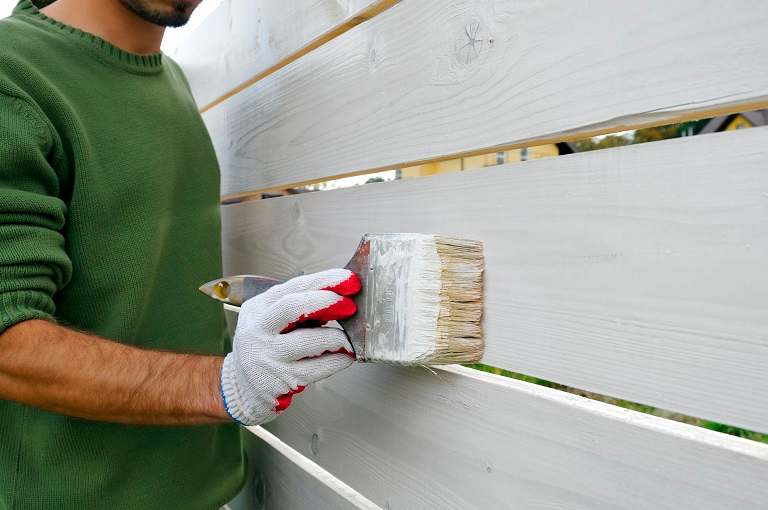
Looking to give your fence a refresh? This guide explores the cost to stain a fence—and the cost to paint it, too— so you can budget for your project.
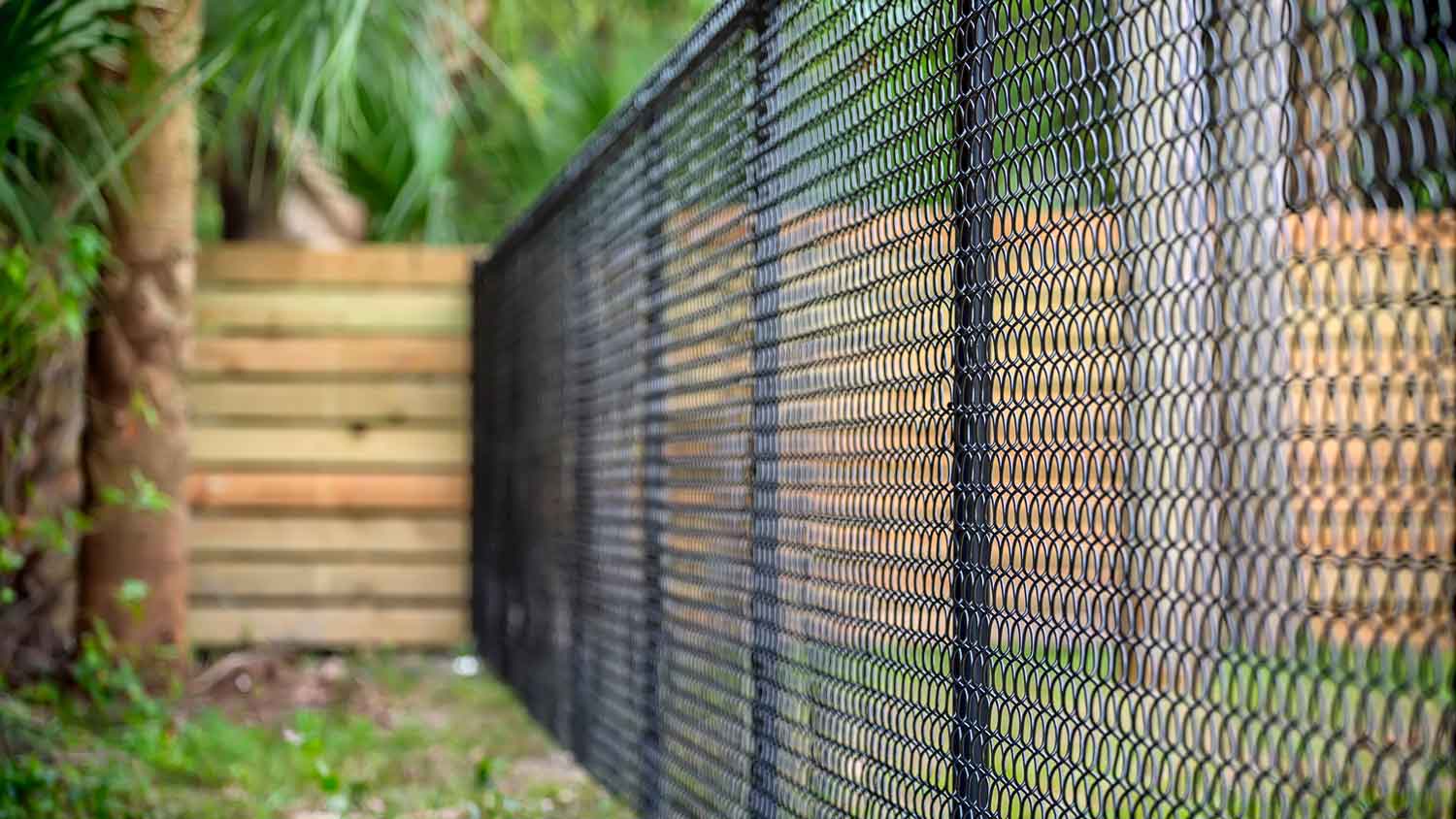
Whether you’re looking to replace your chain link fence or just want it gone, find out how to remove a chain link fence here.
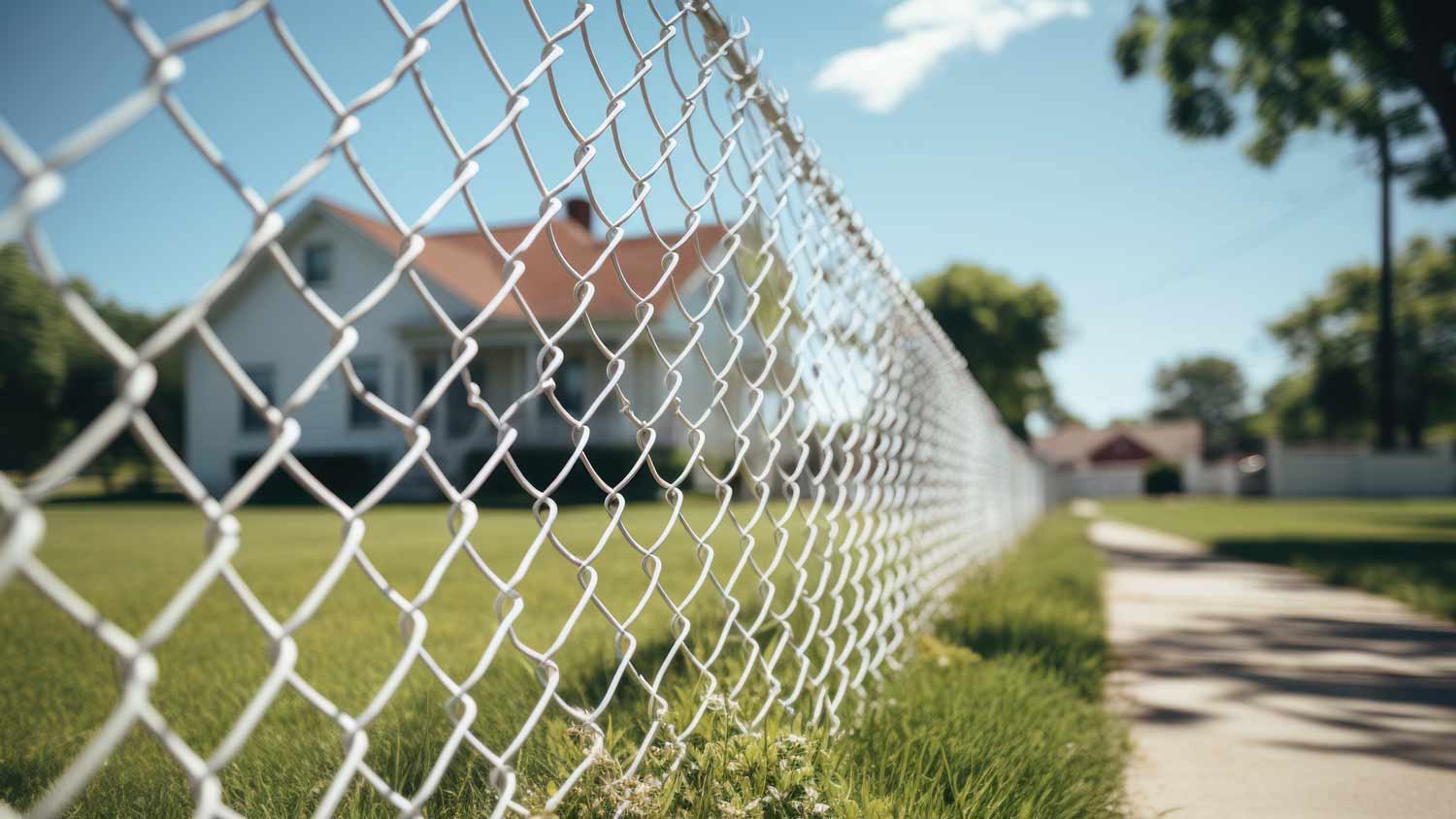
There are many parts of a chain-link fence, and knowing one from the other will give you the knowledge for both DIY installations and repairs.
Not sure who to hire for chain link fence installation? Learn which pros to call, how they work, and what to expect before you book.