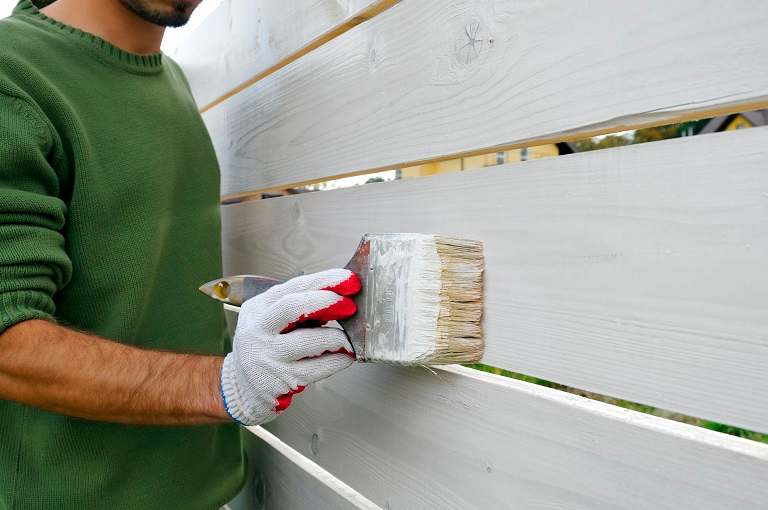
Limewash and whitewash are two techniques used to give brick a light, matte finish, but they differ in composition, application, and permanence. The best choice depends on your aesthetic goals and the specific surface.
Composition
Limewash: A natural and environmentally friendly option made from limestone, water, and sometimes pigments. It is breathable and soaks into porous surfaces like brick.
Whitewash: Traditionally made from lime, water, chalk, and binders, but a similar look can be achieved with watered-down white paint. It is paint-based and sits on top of the surface.
Appearance and Finish
Limewash: Provides a natural, textured appearance that allows the brick's character to show through. It offers a more traditional finish.
Whitewash: Creates a softer, more opaque finish, often used for a rustic or shabby-chic style.
Application and Permanence
Limewash: Is semi-permanent and can be removed, making it a good choice if you might want to change the look in the future. It requires more skill to apply and cannot be used on previously painted brick.
Whitewash: Is a more permanent solution. It is more forgiving to apply and can be used on painted brick. However, because it sits on the surface, it can trap moisture.
Ultimately, if you want a breathable, natural, and reversible finish for unpainted brick, limewash is a great option. If you need a more permanent, opaque coating that can be applied over painted surfaces, whitewash is the better choice. Whitewashing may also be more economical, costing approximately $1.40 to $4.20 per square foot.
Regular staining, sealing, and inspecting for rot or insect damage prolongs fence lifespan.
Maintain your wattle fence by inspecting it at least twice per year for loose weaving and degrading branches. Replace any seriously degraded sections, ensure water drains properly around the posts, and trim any sprouting branches if you used green wood. If you notice the weave loosening, you can often tighten it by gently pushing down on the top branches. You can also apply a natural wood preservative every two to three years to extend the fence's lifespan.
The best type of paint to use for chain link fences is an oil-based paint. Oil-based paints are durable and will withstand the elements well. Search for an oil-based paint with rust protection and aluminum flakes to further protect the longevity of the fence.
Yes, many fence repair services include finishing treatments like sanding, priming, repainting, coating, and rust treatment. These services help restore the fence's original appearance, protect it from corrosion, and enhance its aesthetic appeal. However, since offerings can vary by provider, it is best to confirm what is included before scheduling the work.
The Hurley, NM homeowners’ guide to fence painting services
From average costs to expert advice, get all the answers you need to get your job done.
Deciding on the best fence paint color is difficult. This guide will help you choose a shade that creates the right vibe alongside your house color and landscaping.
Increase your curb appeal by taking your chain link fence from dull to bold with fresh paint. Here’s how to paint a chain link fence to keep it looking great.