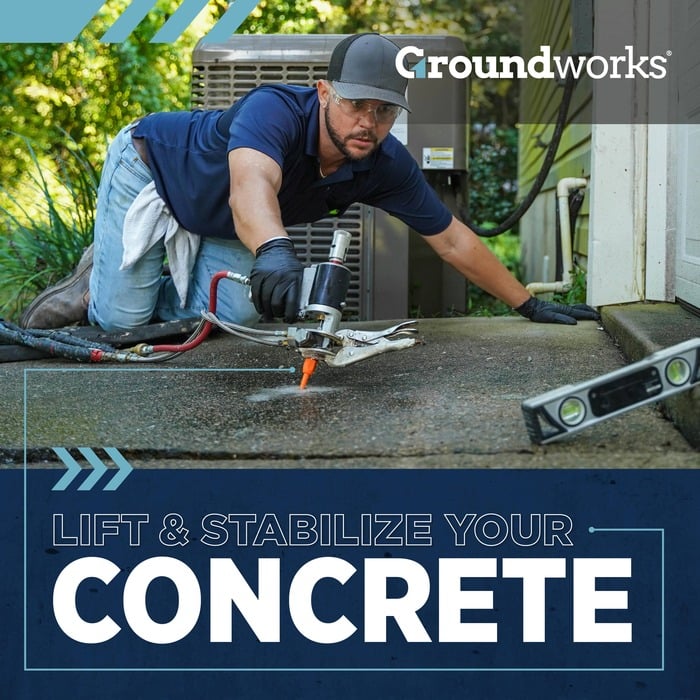
"We are still in the budgeting phase and have not contacted yet however Scott Hughes of Groundwork’s was a great resource. He provided detailed information on the issues and how they would resolve them for us."
"I only use James when I need some work done to my house. He responds fast, gets the work done quicker than just about anyone else I've ever used and seems very concerned with leaving his customers happy."
Standard homeowners insurance policies may cover basement water damage or flooding, but only if it is caused by a sudden and accidental event that is a covered peril, such as a burst pipe or a failing appliance. Damage caused by natural flooding from extreme weather, groundwater seepage, or heavy rain is typically excluded and requires a separate flood insurance policy. Some insurers also offer an optional water backup endorsement for issues like sewer backups. Review your policy or speak with your agent to understand your specific coverage.
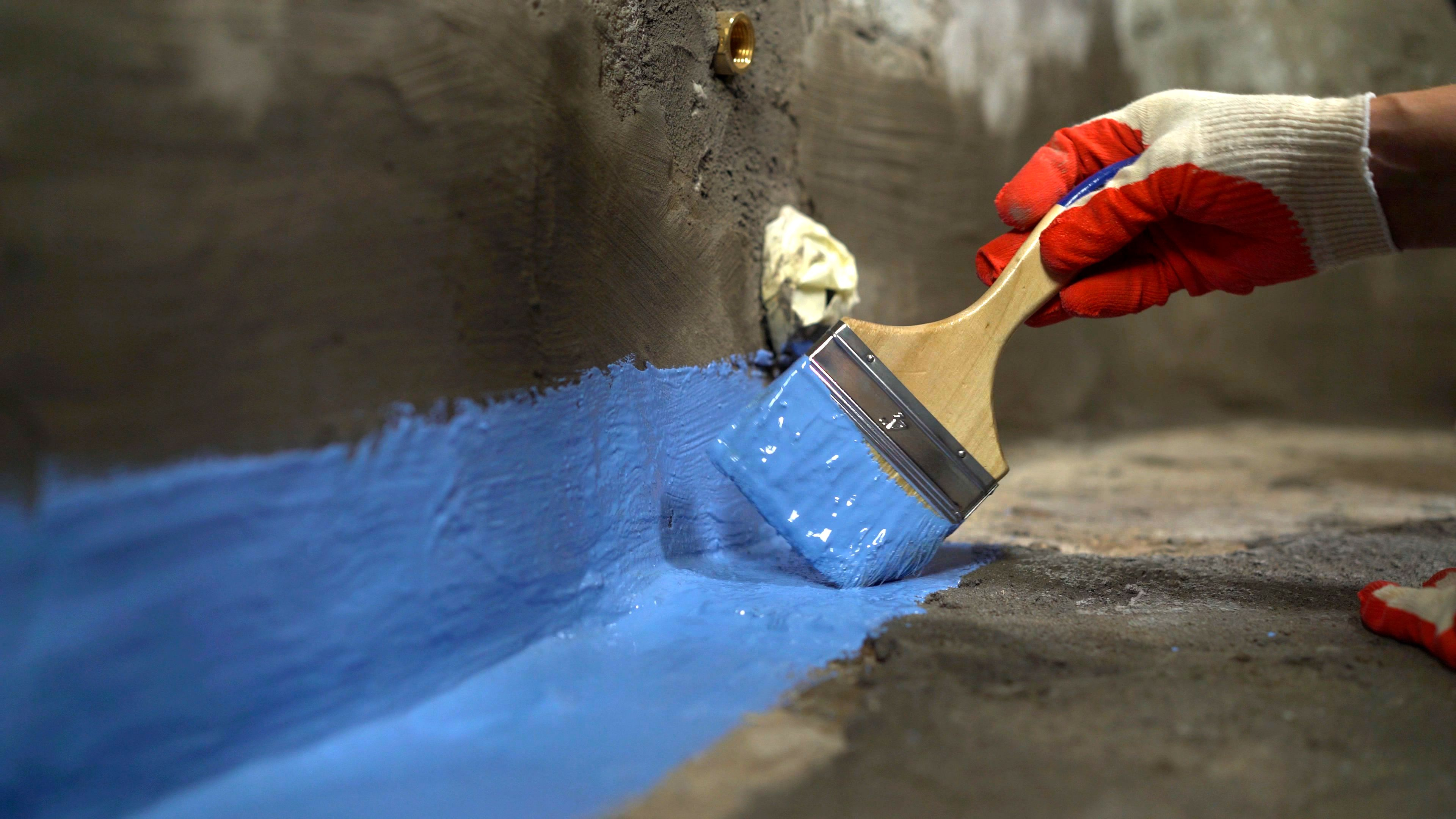
You can DIY basement waterproofing in some ways to help save on the overall costs. If your basement isn’t experiencing a lot of water but is noticeably humid, you can try running a dehumidifier that will pull the excess water out of the air. If you notice water leaking due to outdoor drainage issues, you can add downspout extensions to keep rainwater away from your home.
However, if the problem is more severe and requires a more extensive solution, it’s best to call a basement waterproofing professional to assess the treatment you need and install waterproofing safeguards properly. Since keeping water out of your basement is important, ensuring this job is done correctly the first time is best.
Several factors can impact the cost of waterproofing your basement.
Some of the most common cost factors include:
Location
Square footage
Cause of the water leak
Type of foundation
Accessibility
Waterproofing method
Materials
Contractor experience and availability
Engineering reports, if needed
Structural and other repairs
Permits
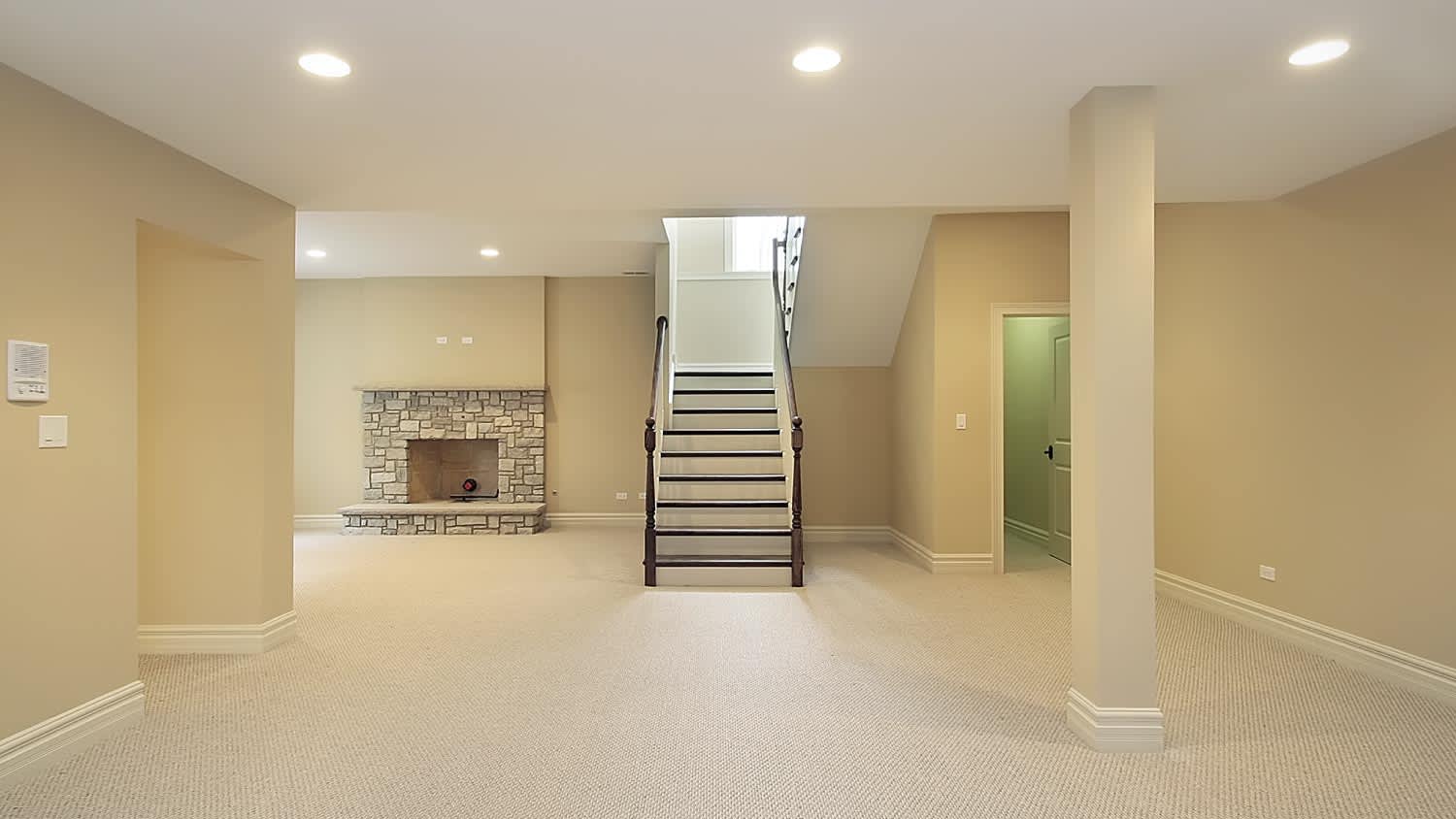
When considering finishing your basement, take into account a few pros and cons:
Pros
Can increase the value of your home
Separate space from the rest of the house
Customize and personalize the basement to suit your needs and style
Increase the amount of living space in your home
Cons
May not regain enough value to cover the cost of finishing
Lack of natural light if it’s below ground level
Moisture or flooding can cause costly damage
Installing plumbing and electrical can be messy and costly
Basements with persistent moisture problems or flooding shouldn’t be finished until the moisture issues have been fixed. In addition, if your foundation is cracked, you have unmitigated radon levels, or you have asbestos or lead pipes, remediate the underlying problem before finishing your basement. Turning a basement into living space before fixing these issues can lead to serious health risks or structural damage.
The Fort Sumner, NM homeowners’ guide to basement leak repair services
From average costs to expert advice, get all the answers you need to get your job done.
Plumbing leaks are never fun, but they’re worse when they happen inside your foundation. Use this guide to slab leak repair costs to learn what to expect.
Pipe leak repair costs depend on the location and severity of the leak, as well as the type of pipe being replaced. Use our guide to price out repair work.
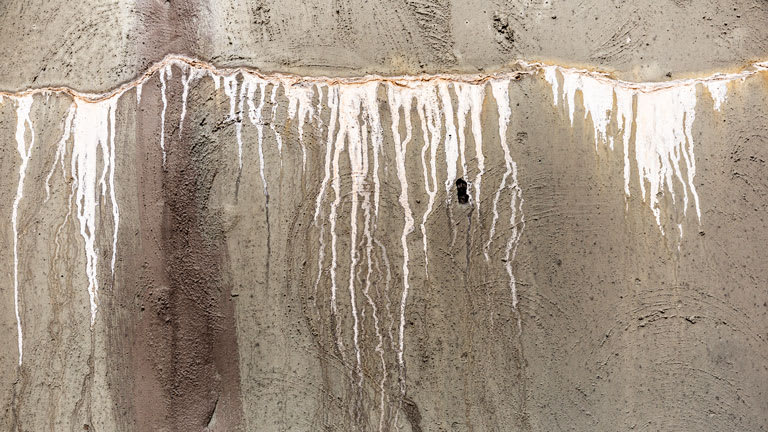
A basement offers additional living or storage space, but if it leaks, it can become a significant headache. Learn how to fix a leaky basement and prevent water damage.
Can’t seem to get rid of the moisture and mold in your basement? Learn why basements tend to hold moisture and how to get rid of moisture in the basement.