

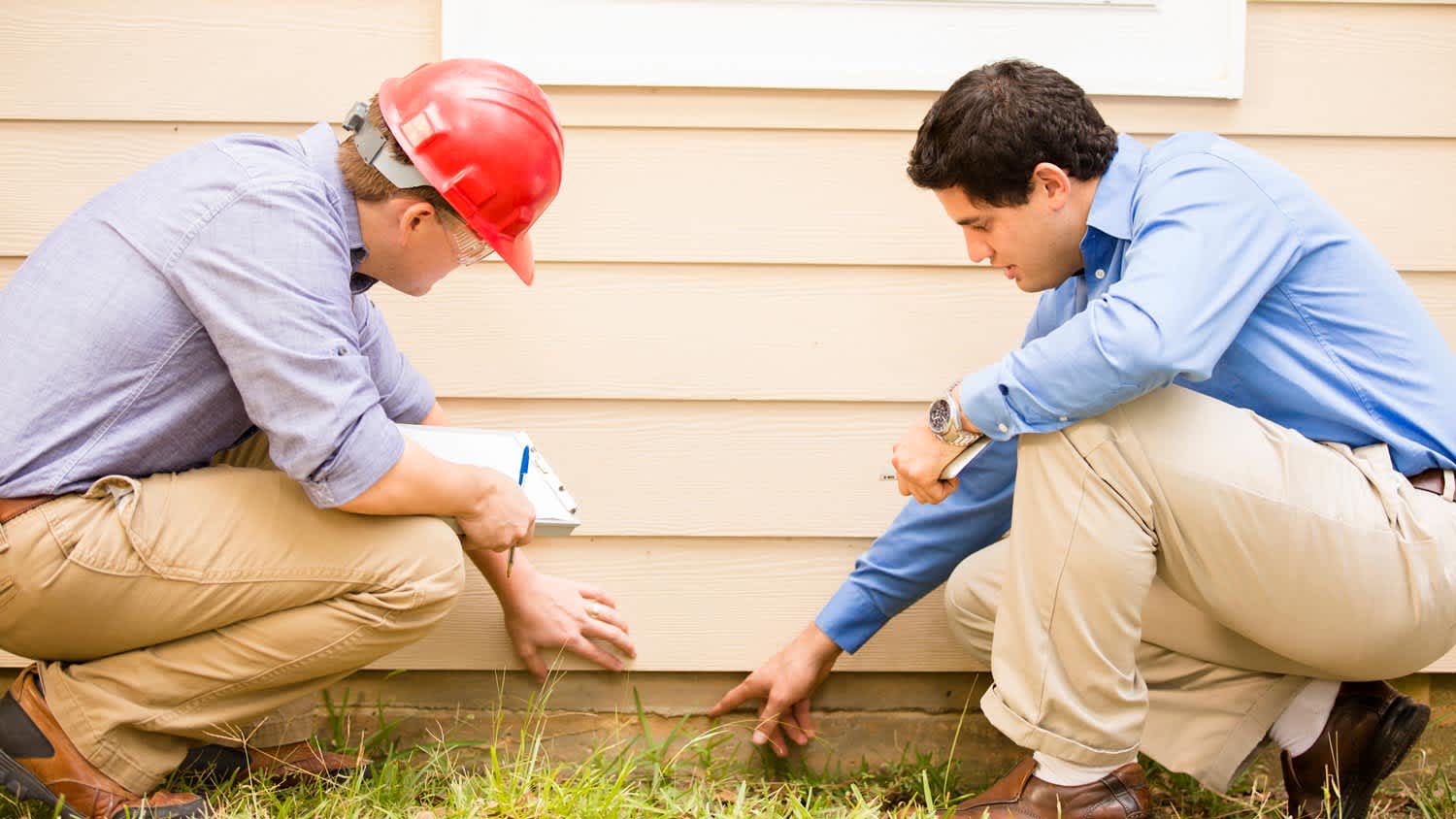
Foundation repair costs can be tricky when you have a large repair on your hands. This guide walks through costs from small cracks to total replacement.
Foundation repair costs depend on your project and location. Check with a local pro for your specific job.


Slab leak repair costs between $630 and $4,400, with your total driven by leak location and slab repairs.
Accessibility drives your bill, because leaks under finished floors or cabinets need more demolition than utility areas.
You should budget for build-back to restore floors and finishes, plus permits from $150 to $200.
Hiring a local foundation repair professional protects your home’s structure and ensures repairs meet code for long-term safety.
In 2026, the national average slab leak repair cost is $2,280, including leak detection. Most homeowners pay between $630 and $4,400, with final costs determined by the leak's location, accessibility, and the extent of foundation repair or replacement needed.
Your total slab leak repair cost depends on two main things: fixing the broken pipe and restoring the concrete slab afterward. You will also need professional leak detection upfront, which requires specialized tools and expertise to pinpoint the issue non-invasively. Given the risks involved, this is strictly a job for a licensed plumber.

The type of repair your slab leak requires directly affects how long the job takes and how much you'll spend on materials and labor. Common repair types range from pinhole leak fixes ($150 to $800) to drain line leak repair ($800 to $5,000), each with its own cost profile. The table below breaks down the average cost of various slab leak repair types:
| Repair | Average Cost Range in 2026 |
|---|---|
| Cured-in-place repair | $80–$250 per linear foot |
| Pinhole leaks | $150–$800 |
| Single burst pipe | $200–3,000 |
| Slab leak reroute | $600–$4,000 |
| Pipe leak repair | $250–$850 |
| Water main leak fix | $150–$5,000 |
| Drain line leak repair | $800–$5,000 |
Cured-in-place repair costs average between $80 and $250 per linear foot. It involves inserting a liner into your existing pipes, which is then cured with a hard resin to create a new, undamaged pipe inside the damaged pipe. This method is a no-dig plumbing repair, and since the original pipe is kept in place, it requires less labor than traditional pipe replacement.
Pinhole leak repair can cost $150 to $800 on average, depending on the leak's location and the complexity of the fix. While temporary fixes for pinhole leaks, like epoxy or compression wraps, may seem tempting, you'll need to replace the damaged section of pipe and secure it with a plumbing coupling to permanently fix it.
Fixing a single burst pipe can cost between $200 and $3,000. Pipe material, access to the burst pipe, and the extent of the damage can all affect the cost of repairing the pipe.
Rerouting plumbing lines in a slab foundation can cost between $600 and $4,000 on average. This may involve cutting into and removing parts of the slab, which might remove sections of walls, ceilings, or floors. Depending on the extent of the rerouting, you may end up paying upward of $10,000 or more when all is said and done.
Standard pipe repair costs average between $250 and $850 per pipe. The type of leak, pipe material, where the pipe is located, and its accessibility can all contribute to the repair cost. Leaks that are hard to reach or require cutting into walls, floors, or sections of the slab for access will cost more than easily accessible pipes in basements or other areas where they're out in the open.
The cost to fix a water main can range from $150 to $5,000. Costs vary widely depending on the type of repair, whether the leaking part of the main is above or below ground, whether excavation is needed, and how much pipe needs to be replaced.
Repairing a drain line costs an average of $800 to $5,000, depending on the type and size of the damage, where the leak occurs, and how difficult it is to access.
Slab leak detection costs an average of $280, and most homeowners pay between $150 to $400. Emergency leak detection and repair will push costs toward the higher end, particularly if the leak is in your water main and water service cannot be maintained without ongoing damage.
Repairing your concrete foundation after fixing the leak costs $300 to $6,750, depending on the leak's location and how many access points your plumber needs to create. Material and labor costs can also vary based on the local foundation repair contractor you choose. For severe leaks requiring a structural engineer, expect to pay around $150 per hour, with rates ranging from $70 to $250.
Foundation stabilization through underpinning costs around $2,500 per pier, with total project costs running $5,000 to $10,000 after slab leak repair. Underpinning is not always necessary, so this cost is not included in the average repair total. You may need it if an ongoing leak has caused excessive soil movement or settling beneath your foundation, which supportive piers can prevent from sinking further and causing structural damage.
Water damage repair costs range from $500 for a minor subfloor fix to $15,000 or more for extensive damage, and they are among the most significant add-on costs in a slab leak repair project. A leak that goes unnoticed can damage your subfloor, flooring, sheetrock, insulation, and the slab itself, and may even cause structural issues. Mold removal and drying out the affected area will add further to your total.
Address water damage as soon as it happens to prevent structural issues and mold growth. Hiring a pro for large leaks can save on more expensive repairs caused by prolonged water exposure.

Build-back—restoring the affected area to its pre-leak condition—averages around $500, but costs can range from $300 to $10,000 or more, depending on what materials sit above the access point. A simple cold pour in an unfinished utility closet runs closer to $300, while a larger opening in the same area may reach $400. Finished floors or hardwood kitchen cabinets over the access point can push build-back costs to $10,000 or beyond, and the overall average lands around $2,000 because slab foundations typically have finished surfaces throughout.
Treating the root cause of a slab leak can cost nothing if there is no ongoing risk, or as much as $15,000 for a solution such as a French drain to address foundation drainage and soil expansion. Foundation waterproofing targeted problem areas is a simpler option that costs around $200 for a small area. A professional assessment is the best way to determine which approach will reduce the risk of future leaks.
If your pro needs to dig around the slab to assess the leak and any resulting damage, residential excavation costs around $3,000, though the total depends on how much soil needs to be removed and replaced. If foundation support is required during excavation, expect to pay an additional $2,000 or more for temporary piers or foundation jacks.
Leak location is one of the biggest cost drivers in slab leak repair, with easy-access leaks under an unfinished utility closet running around $630 and hard-to-reach leaks under kitchen cabinets or tight spaces pushing toward $4,400. The more demolition required to reach the pipe, the higher your total will climb.
Building permits for a slab leak repair cost between $75 and $200, though fees vary by jurisdiction. Because both plumbing repair specialists and foundation repair contractors may each require their own permit, you could face two separate permit fees on the same project. Water main issues are most likely to push permit costs toward the upper end of that range.
Labor for slab leak repair runs between $500 and $4,000—or $75 to $150 per hour—and accounts for the majority of your project cost. Materials for most repairs cost under $100, so the bulk of your bill covers the time-intensive work of locating the leak, cutting into the concrete, replacing the damaged section of pipe, and repairing the slab.
Cutting into or tunneling beneath a foundation carries serious risk—mistakes can cause severe structural damage that far exceeds any savings on initial foundation repair costs. Beyond the financial risk, foundation errors can put your household's safety at risk, which no amount of savings can justify.
When a slab foundation develops a leak, repair is almost always the more cost-effective option—concrete slab repair can cost $10,000 or more, while full replacement can cost $50,000 to $100,000. Replacement involves extensive excavation, temporary structural supports for the house, and significant structural work to ensure safety and stability.
Hiring a local plumber to repair a slab leak costs around $2,200 on average, compared to a DIY average of $400. While the savings may seem appealing, a DIY attempt on slab leak repair carries a high risk of mistakes that lead to even more costly repairs. We strongly recommend hiring a licensed professional for this work.
When a slab leak occurs, hiring a licensed plumber is the fastest and safest way to stop the damage and protect your home. Here’s why:
Pros use diagnostic tools such as acoustic leak detectors and thermal imaging to pinpoint the exact problem without unnecessary demolition.
A pro knows how to assess structural risks and prevent further damage to your foundation.
They can recommend the proper repair method (spot repair, repiping, or rerouting) based on the leak’s location and severity.
Professional plumbers handle permitting and code compliance, so the repair is legal and safe.
A licensed plumber can identify root causes such as corrosion, poor installation, or high water pressure to prevent future leaks.
Since repairing a slab leak is expensive and a DIY job isn't recommended, most homeowners who need this repair completed will look for ways to save money in the process. There are a few things you can do to keep your repair costs down.
Request a reroute: Rerouting pipes through your slab is often more affordable than accessing and repairing existing ones. Ask your plumber if a reroute is possible.
Avoid delaying repairs: Slab leaks tend to get worse over time and can lead to structural damage if left without a solution. Get the work done as soon as you recognize the issue to avoid higher repair costs.
Fix the underlying problem: If expansive soil or uninsulated pipes are the reason you need slab leak repair in the first place, get those problems addressed simultaneously to avoid future repair costs.
Refinish on a budget: If you need to build back over the area where the leak occurred, consider more affordable building materials. For example, you could opt for engineered hardwood—as low as $2.50 per square foot—over real hardwood—more likely higher than $8 per square foot.
Hire a professional: Although you could save money by DIYing the slab leak repair, we strongly recommend hiring a professional instead. You'll pay more upfront, but the work is far more likely not to cause additional issues or further foundation damage.
Share any recent symptoms or changes (hot spots on floors, rising water bills, low pressure) to help the plumber narrow down the issue quickly.
Confirm any necessary measurements or structural details, such as slab thickness or known plumbing routes.
Provide access details, including the location of the main water shutoff and any areas of the home that may be difficult to access.
Review project timeline expectations, especially if you need temporary water shutoffs or have scheduling constraints.
Home is the most important place on earth, which is why Angi has helped more than 150 million homeowners transform their houses into homes they adore. To help homeowners with their next project, Angi provides readers with the most accurate cost data and upholds strict editorial standards. We extensively research project costs to develop the pricing data you see, so you can make the best decisions for you and your home. We rely on reputable sources, including the U.S. Bureau of Labor Statistics, academic journals, market studies, and interviews with industry experts—all to ensure our prices reflect real-world projects.
Want to help us improve our cost data? Send us a recent project quote to [email protected]. Quotes and personal information will not be shared publicly.
Positive experience. As previously stated, the replacement/repair could not be completed (no fault of the plumbing tech) b/c misinformation was rec?d by property management maintenance. Thanks to the plumbing tech for your efforts. Appreciate you!
 The Waterworks
Carpet repair done well. Scheduling was easy. Showed up on time.
 BR Flooring Installation
I would recommend this company to anyone! He showed up on time, was friendly, completed a very difficult repair on our dryer vent cover, was responsive, and pricing was extremely fair and competitive. I would have him back to do any of our repairs or cleanings without hesitation!
 U.S.A. Dryer Vent, LLC
Everything from initial contact to completion was absolutely top notch. We contacted the business during off hours to leave a message, and the owner still reached out to feel out the issue within minutes. We were scheduled and repaired within 48 hours. I cannot say enough about the...
 Supreme brick & chimney
Ace Fireplace Services came to the rescue for my chimney repair. They were quick to pinpoint the issue and worked their magic to fix it. My chimney is now in excellent shape, and I'm a satisfied customer.
 Ace Fireplace Services
On Sunday 2/26 I requested quotes via Angi from 4 refrigerator repair businesses. Northwest Appliance responded to me Monday morning (2/27) and my refrigerator was repaired by noon the same day. Great communication, they did everything they said they would. The technician had the parts on...
Great experience all together. Dog friendly, courteous, great results and honest with recommendations. Will certainly be using Cardinal in the future for any carpet repairs
 Cardinal Carpet Care & Repair
Description says they handle window repair including rotten hardwood - they called me back right away but didnâ t leave a voicemail. I followed up 3 days later and they said they donâ t do that kind of work.
 Window-Gurus
Chaz, the owner, was very responsive and he communicated with us throughout the entire process. The overall cost was in the middle compared to the three estimates we received. The installation crew was very professional. Chaz was considerate enough to send a crew back to our home to repair...
 Unique Hardwood Floor LLC
Great guys. Spend a lot of time repairing and prepping our walls before doing the new paint. Home looks great now.
From average costs to expert advice, get all the answers you need to get your job done.
Foundation repair costs can be tricky when you have a large repair on your hands. This guide walks through costs from small cracks to total replacement.
Unstable or sinking foundations require comprehensive and expensive solutions. Learn about foundation underpinning costs in this guide to set your budget.

Staying ahead of foundation problems can save you time and effort. Learn how much foundation inspections cost and what affects how much you’ll pay.
A slab leak can cause major problems for your home if left unfixed. Here’s everything you need to know about identifying and repairing a slab leak.
Fixing a slab leak requires finding the leak, digging a trench, breaking the slab, pipe lining, and more. Keep reading to learn how to fix a slab leak.
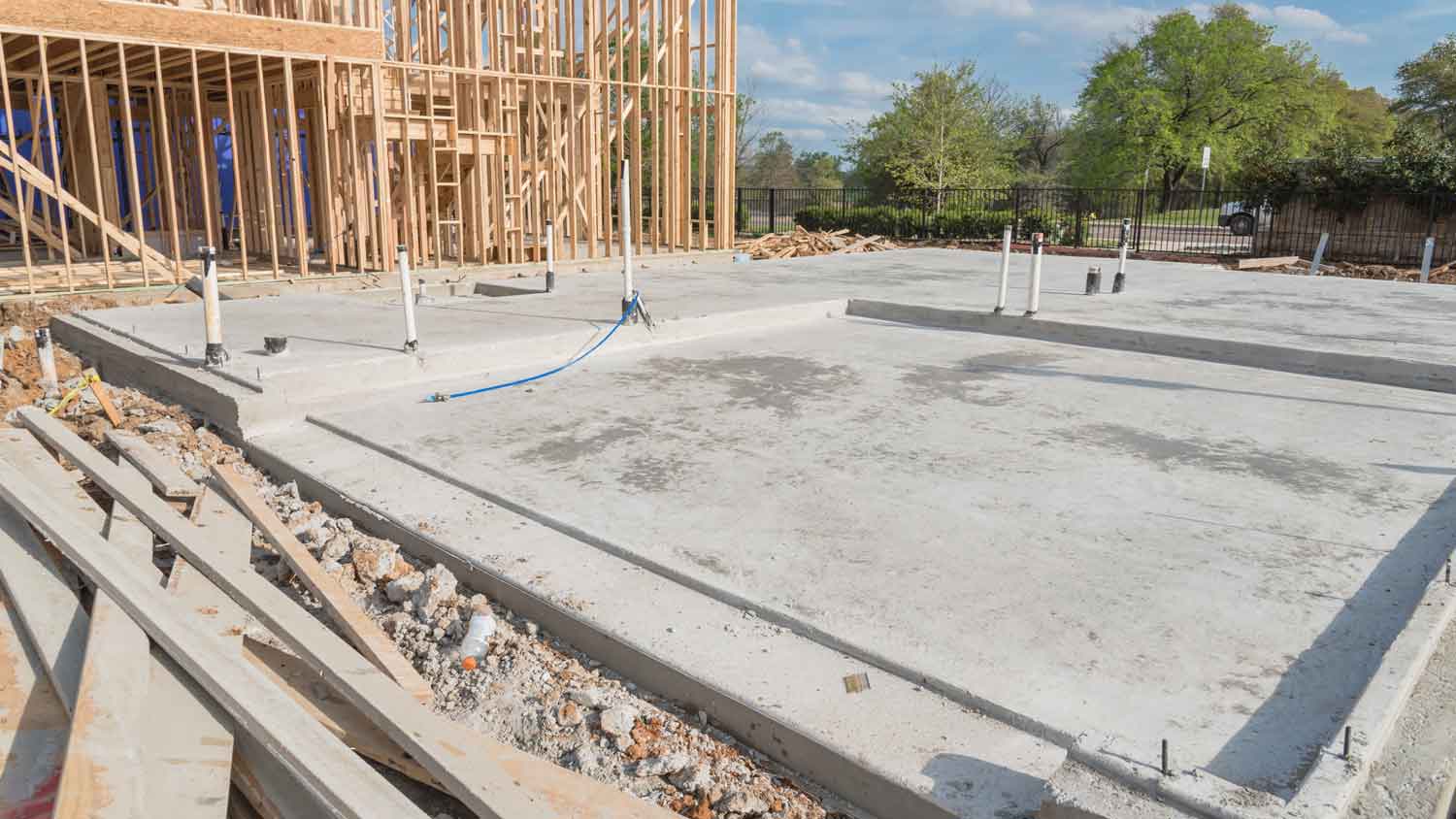
Unsure of what the different foundation types are? This guide explains what a slab-on-grade foundation is, when it’s appropriate, and some pros and cons.