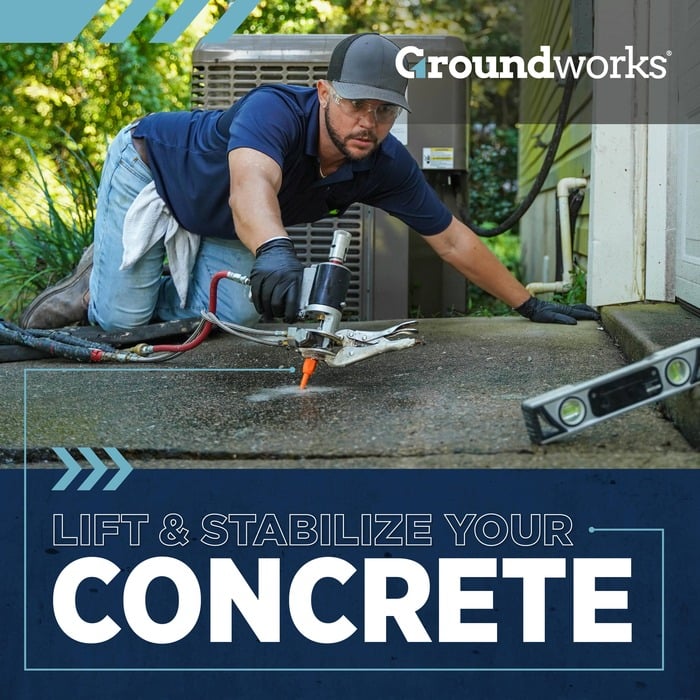
"We are still in the budgeting phase and have not contacted yet however Scott Hughes of Groundwork’s was a great resource. He provided detailed information on the issues and how they would resolve them for us."
"I only use James when I need some work done to my house. He responds fast, gets the work done quicker than just about anyone else I've ever used and seems very concerned with leaving his customers happy."
Basement Waterproofing questions, answered by experts
Signs include persistent dampness, mold or mildew presence, musty odors, and visible water stains. If any of these occur, it is advisable to contact a professional for an inspection.
Preventing water accumulation involves regular inspections, maintaining effective drainage systems, ensuring proper roof maintenance, and taking preventive measures against heavy rainfall or floods.
Pooling or standing water in your basement should be cause for alarm and action. This indicates that there is a leak or a drainage issue, and until you repair the root of the problem, the situation will only happen again or grow in severity. It’s important to deal with water damage as soon as it occurs.
In most cases, a crawl space will not dry out on its own unless the moisture comes from an uncommon flood and isn’t expected to be a recurring issue. For most homeowners, moisture problems in the crawl space will only continue to get worse over time, so addressing the underlying problem with gutter systems or a foundation drainage system and setting up a preventative solution like a dehumidifier is necessary.
Below-ground shelters are the best in terms of durability, but there is a risk of flooding and obstruction. Modern technology and rigorous construction requirements make above-ground shelters a better option for accessibility, safety, and, usually, your budget. They may not have the same aesthetic appeal, but many of their features make above-ground shelters a better option.
The Fort Sumner, NM homeowners’ guide to basement waterproofing services
From average costs to expert advice, get all the answers you need to get your job done.
Need to fix basement water problems or safeguard your home from damage in the future? Use this basement waterproofing cost guide to budget appropriately.
An unfinished basement has a lot of potential for a family room or guest suite. So how much does it cost to finish a basement? Read on for all cost factors.
Dealing with a damp basement? Follow these steps for DIY basement waterproofing to keep water and moisture out and boost your home’s energy efficiency.
Can’t seem to get rid of the moisture and mold in your basement? Learn why basements tend to hold moisture and how to get rid of moisture in the basement.