Flat Plains Landscaping is a family owned business we learned landscaping from our grandfather who owned his own business we offer all lawn care all basic services mow edge clean ups spraying hardscaping aerating tree trimming and tree removal
I provide strategic pruning, tree removal and stump grinding. Our number one priority is maintaining integrity, satisfying customers, while building long lasting business relationships. My staff has years of experience and they take pride in their work, delivering quality with every job. Call for a free estimate!
Oasis Builders & Landscaping, LLC, likes nothing more than a happy customer. We are independently owned and operated. Everything is done by us, and to the highest quality. We have been involved in the trade for years. We use only the best products and techniques available. It is very important to the company that our customer is satisfied. Call us today, for a quote!
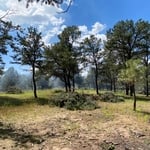
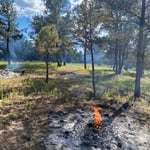
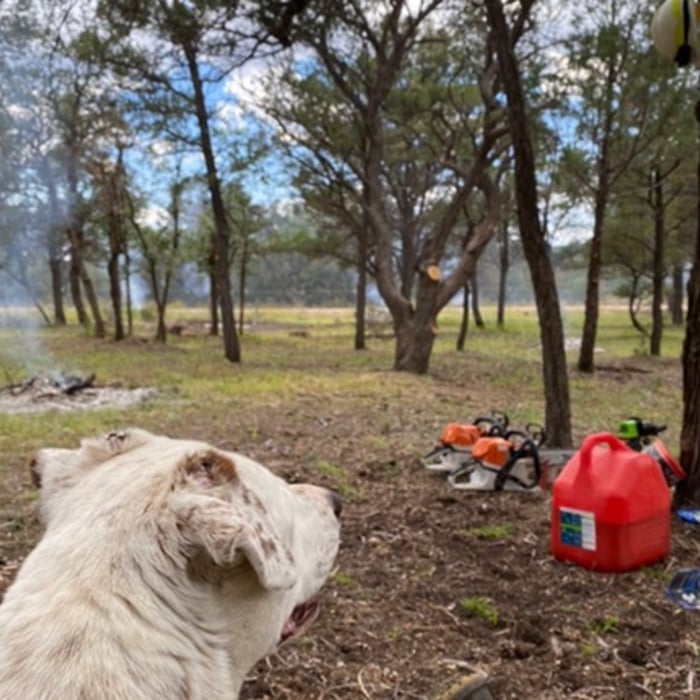
Woman owned, New Mexico based hazard mitigation team assisting in both prevention and intervention. From sheep farming to firefighting our company has worked and continues to work hard to ensure services provided reflect our values, work ethics, and are what we would expect to receive ourselves. \nPrevention services or treatment include prescribed grazing, burning, thinning, and fuel removal. Intervention services meet the needs of the customer, forest, and safety of my team and include but are not limited to: hazard tree felling (Dead or dying trees, trees threatening structures or other resources), contour falling (flood mitigation), erosion control. Trees are our game, and we use Stihl with no shame. We invite you to reach out with any tree service-related inquiry for a discussion and free estimate.
Have no fear, HelloTech is here. We can send a tech to your door to help with your computer, home theater, TV mounting, and general device needs. In many cases, we can solve your issues remotely for much less, simply by connecting to your computer.
Been in business since 1990. No project too big or too small. Customer satisfaction is our motto, financing is available. Senior discount for Angies list customers.
Shorey Demolition Group is a smaller company serving Lubbock and surrounding area. Hiring a smaller company is beneficial to our clients because we give you the attention you need and provide superior service each and every project we undertake. We will keep you informed every step of the way and will complete your project in a timely manner and exceed your expectations.
Create your ideal landscape with our friendly, professional landscape designers. Plan and visualize your new landscaping before any construction begins. The time has come for you to finally have the landscape you have always dreamed of, no more staring wistfully out your windows, envisioning a fabulous pool, enticing barbecue, and gorgeous landscaping. But how do you optimize the space you have? How do you know where to put that barbecue? What kind of plants should you get and where should they be placed? Now you can have the answers to all these questions and more before you�re committed to construction thanks to the help of a qualified, professional landscape designer.\n \n By choosing to enlist the help of a professional landscape designer, you can have your master concept plans to show contractors exactly what you want. You can shop your project around and get accurate bids allowing you to choose the best contractor for your project.\n\n\n\n
Living Light Landscapes is a New Mexico Design Firm that specializes in Residential Planting and Irrigation Plans utilizing CAD software for landscape designs. We also offer "Photo Design Imaging" (*you provide the 'before' photo) to provide a 'finished' Landscape Concept Photo using photo images of Native Plants and Garden Hardscape furnishings such as patios, walls, walks and ponds. Your total satisfaction is our number one priority. We look forward to designing your new landscape. Check out our website at www.plans2plants.com
When planting, it's best to leave several feet between a house and a juniper bush. Many juniper varieties will become quite bushy and require space to grow. Juniper branches that come into contact with siding can damage the home's exterior over time. Also, some juniper bushes have aggressive roots that can put pressure on a home's foundation or basement walls.
Grass is the most popular and safest option for planting over a septic drain field, but you can also plant small flowering plants and other lightweight plants that don’t have woody or deep roots. Avoid trees and bushes within 10 feet of the field, as the woody roots can crack the perforated pipes. You should also avoid planting vegetable or fruit gardens over your drain field, as a leak from the pipes could contaminate the soil and put anyone who eats the produce at risk.
As much as you might try to keep a healthy, nutrient-rich lawn, you still may notice signs of St. Augustine decline (SAD)—a viral disease that discolors your grass blades. St. Augustine decline looks like:
Discoloration in the leaves (chlorosis)—leaves appear yellow and splotchy
Decline in growth
Leaves turn black within 3 years
Grass appears less vibrant
Grass begins to thin
Root rot
Grass takes longer to recover
The soil around your foundation should slope down and away from your home, not toward it. If the grading drops the farther you are from your home, you can enhance the slope by removing more soil. Mark off a few feet from your house and dig up some of this soil. Regrading around your fountain should encourage water to flow away from your home and not collect or “pond.”
Yes, it is possible to add too little mulch. Anything less than 1 inch will likely result in too little coverage around your plants, allowing weeds to grow through and minimizing the positive effects that a deeper bed of mulch would have, like maintaining proper soil moisture and insulating the ground.
The Fort Sumner, NM homeowners’ guide to landscaping services
From average costs to expert advice, get all the answers you need to get your job done.
A landscape designer can elevate your outdoor space and bring your vision to life. Use this landscape design cost guide to budget for your next project.
You've heard of landscape designers and landscape architects, but what's the difference? Here's when to hire each pro to bring new life to your landscape.