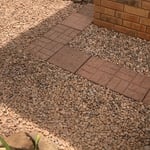
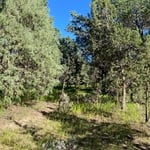
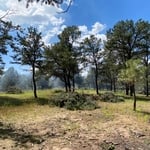
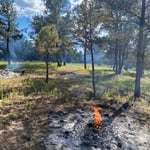
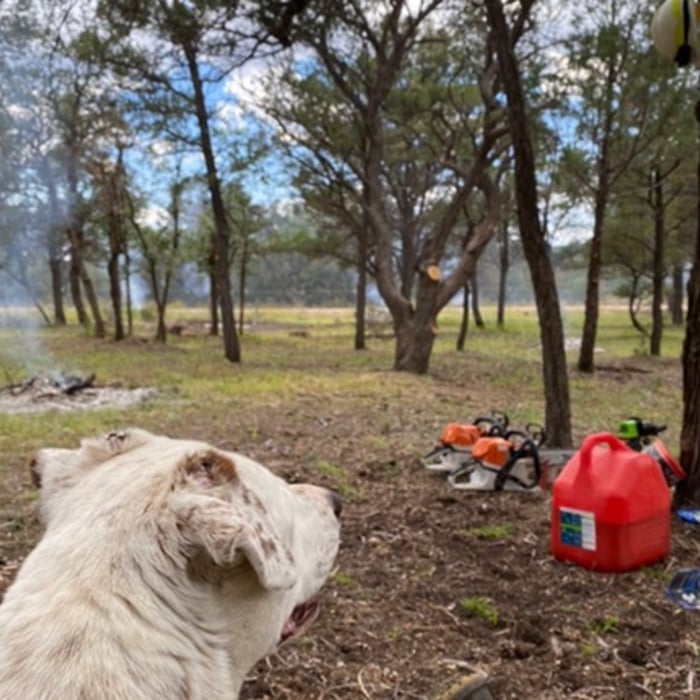
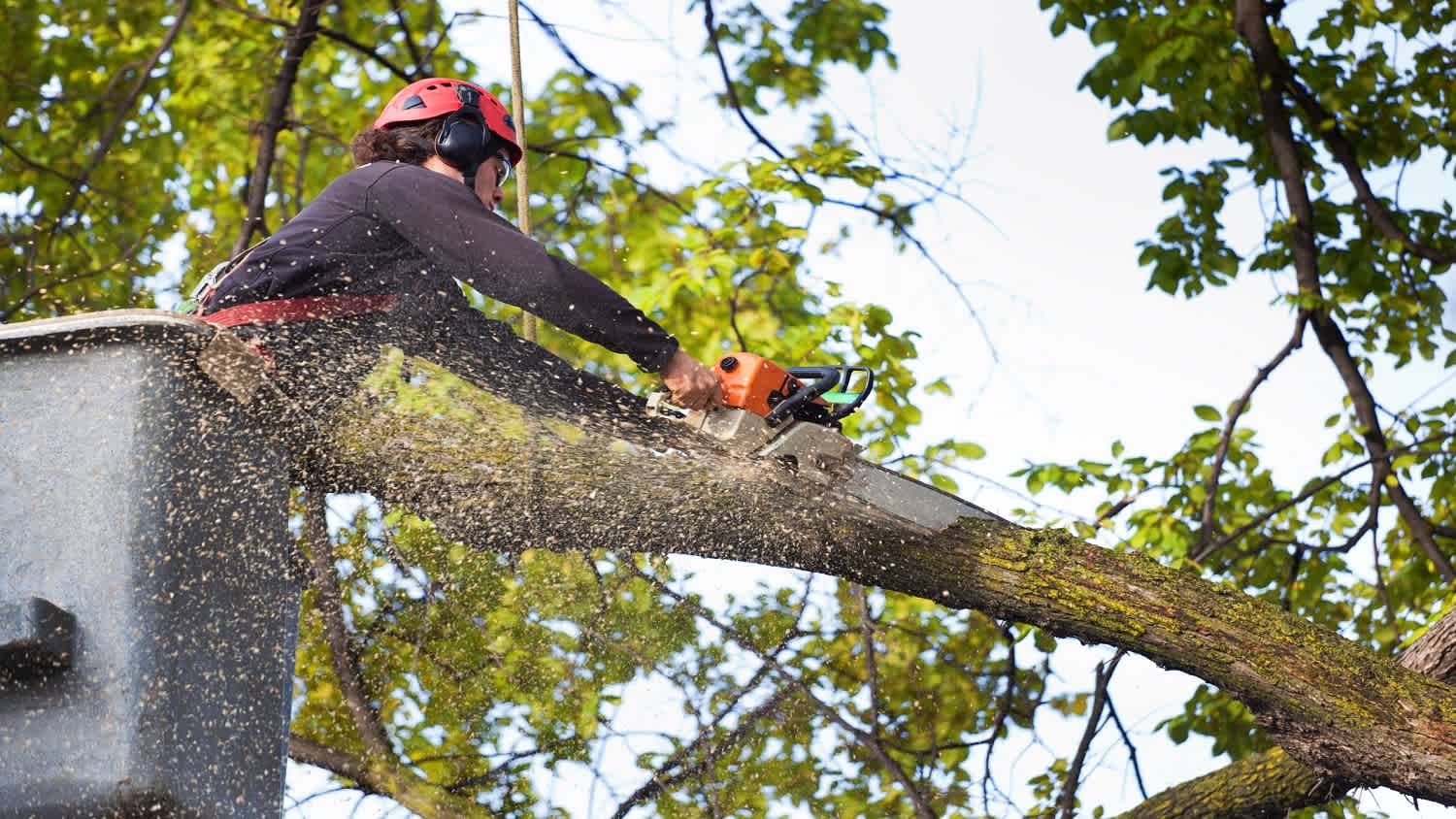
Flat Plains Landscaping is a family owned business we learned landscaping from our grandfather who owned his own business we offer all lawn care all basic services mow edge clean ups spraying hardscaping aerating tree trimming and tree removal
"It went really great. They really are professional and safe. They even walked us through the process. A good company and that helps the customers needs. Would say they are 5 star… thanks"
"Jeff showed up to provide our estimate and was ready and willing to start the job immediately. His prices are extremely competitive, and he did a great job in trimming our tree as well as the clean up. Jeff is very nice, professional, and a pleasure to do business with. We definitely recommend him!"
We are committed to excellence in every aspect of our business. We uphold a standard of integrity bound by fairness, honesty and personal responsibility. Our distinction is the quality of service we bring to our customers. Accurate knowledge of our trade, combined with ability, is what makes us true professionals. Above all, we are watchful of our customers' interests and make their concerns the basis of our business.
A dead tree should always be cut down, because it could fall and cause injuries or damage, and it can also attract insects like carpenter ants. A tree that’s diseased beyond repair should also be cut down, but it’s not always easy for a homeowner to tell. Signs of disease include dying branches, a hollow trunk, leaning, and discolored or missing leaves, but your best bet is to hire a local arborist who can evaluate the tree and tell you if it can be saved or should be cut down.
A general rule is that trees need 10 gallons of water for each inch of the tree’s diameter. For large trees, that can amount to approximately 160 gallons of water or more. Watering big trees to this extent can take quite a bit of time using a hose. For this reason, you may consider installing a soaker hose or sprinkler system to make the job easier.
Costs range from $500 to $5,000 per tree, depending on size, location, and accessibility.
You can never truly stop a maple tree from growing taller, but you can rein in its growth by pruning. Proper pruning helps maintain a safe size for your tree without causing permanent damage. It’s important to start pruning a tree while it’s young, long before it becomes a problem. Otherwise, you may be left with too many hazardous branches to remove at once.
Signs include dead branches, growth over structures, diseases, pests, or roots impacting hardscapes.
The Fort Sumner, NM homeowners’ guide to tree services
From average costs to expert advice, get all the answers you need to get your job done.
Tree inspections can ensure your trees stay healthy and safe, preventing costly damage. Learn how much tree inspections cost and what can affect the price.
How much does an arborist cost? This guide explains the cost of different services, ongoing expenses, and other factors to consider when hiring an arborist.
Follow these tips to learn how to find a good tree removal service. Doing a little research can help you save time and money when you need to say goodbye to your trees.
You suspect that the leaning oak tree in the back needs to come down, but can you just handle it yourself? Here are the pros and cons of calling a tree service.