Wood stain is typically dry to the touch within 6 to 12 hours, but it is not fully cured at this point. You should wait at least 24 hours before applying a second coat or a protective finish. For surfaces like decks, avoid walking on them for at least 24 to 48 hours, and wait even longer before placing furniture. The full curing process can take from 24 hours to one week, depending on the type of stain. Factors like high humidity and cold temperatures can extend drying and curing times, so it's wise to allow for extra time in these conditions.
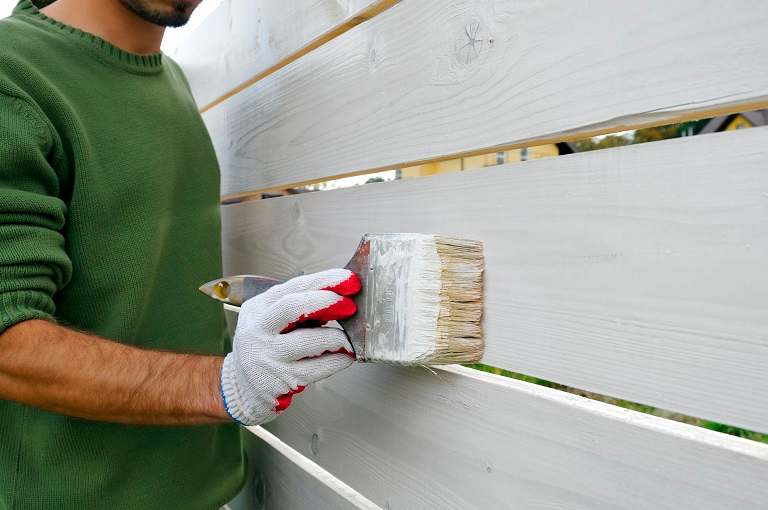
Your tool of choice ultimately comes down to personal preference. Many DIYers prefer applying stain with a lint-free rag, but others stick with a paint brush or a roller. Wipe the stain and work it into the wood, working with and against the grain. If you’re applying multiple coats, allow the stain to dry for around four hours between coats.
Staining pressure-treated wood is a recommended practice. While inherently resilient, it's not impervious to moisture and UV exposure. Staining treated wood is feasible and recommended for enhanced protection and longevity. Applying stain and sealant safeguards against degradation, prolonging its life span. These measures shield the wood from environmental threats while augmenting its aesthetic appeal, ensuring your investment endures the test of time.
Yes, you can and should paint or stain pressure-treated wood, as this helps prevent the surface from cracking. However, it is crucial to wait for the wood to dry out completely from the chemical treatment process before applying a finish. If the wood is still wet, the paint will not adhere properly. The drying time can range from weeks to six months. To test if the wood is ready, drip some water onto a board. If the water is absorbed, the wood is dry enough for painting or staining. If the water beads up on the surface, it needs more time to dry. You can build with the wood while it's still wet, but you must wait for it to dry before painting.
For the best results, you should apply two coats of paint to your wrought iron fence. Let your first coat dry for about an hour then promptly apply your second coat.
The Dulce, NM homeowners’ guide to fence painting services
From average costs to expert advice, get all the answers you need to get your job done.
Thinking about fence painting and staining? Learn about material options, costs to expect, and how to hire the right local exterior painter for the job.
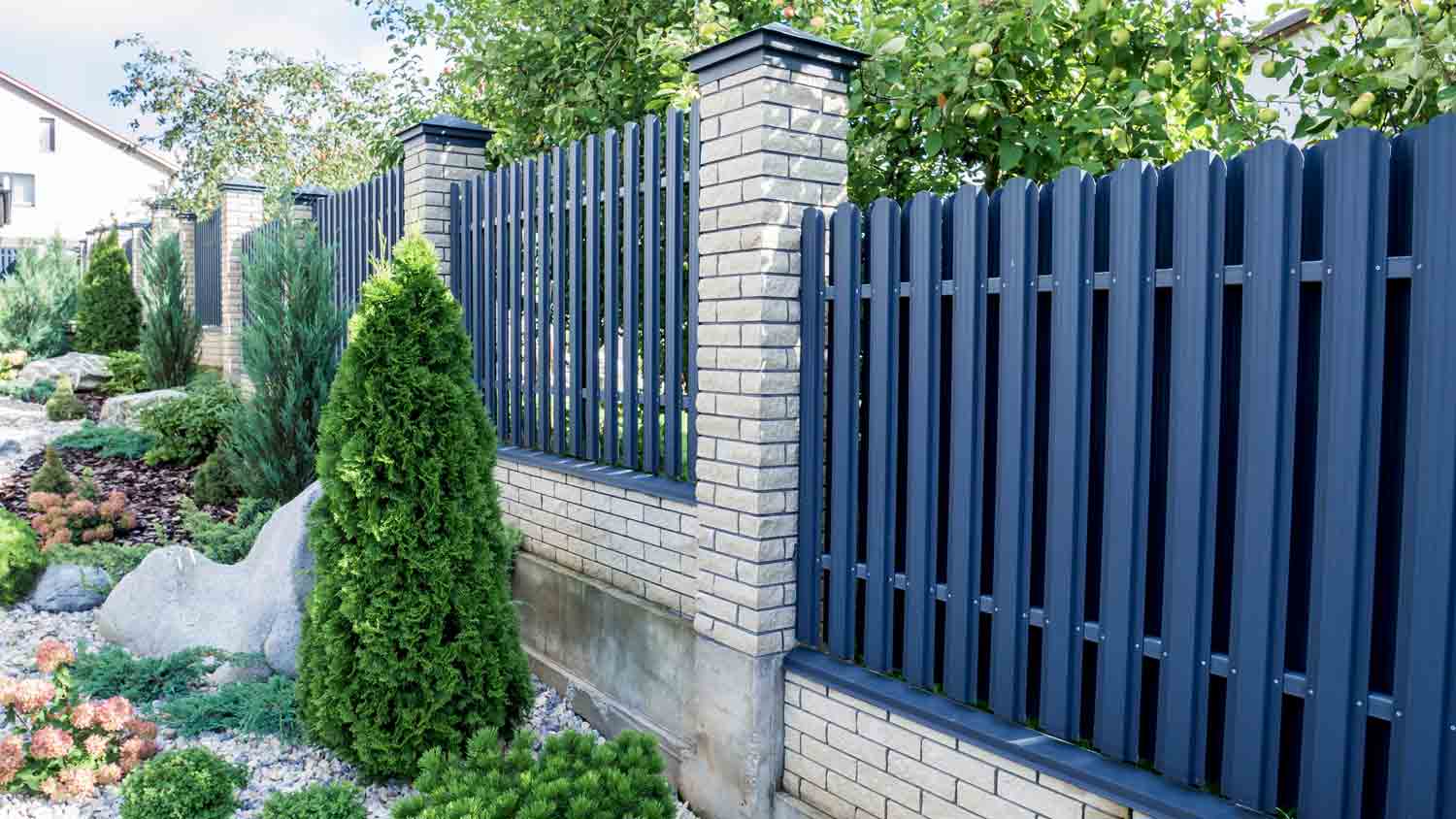
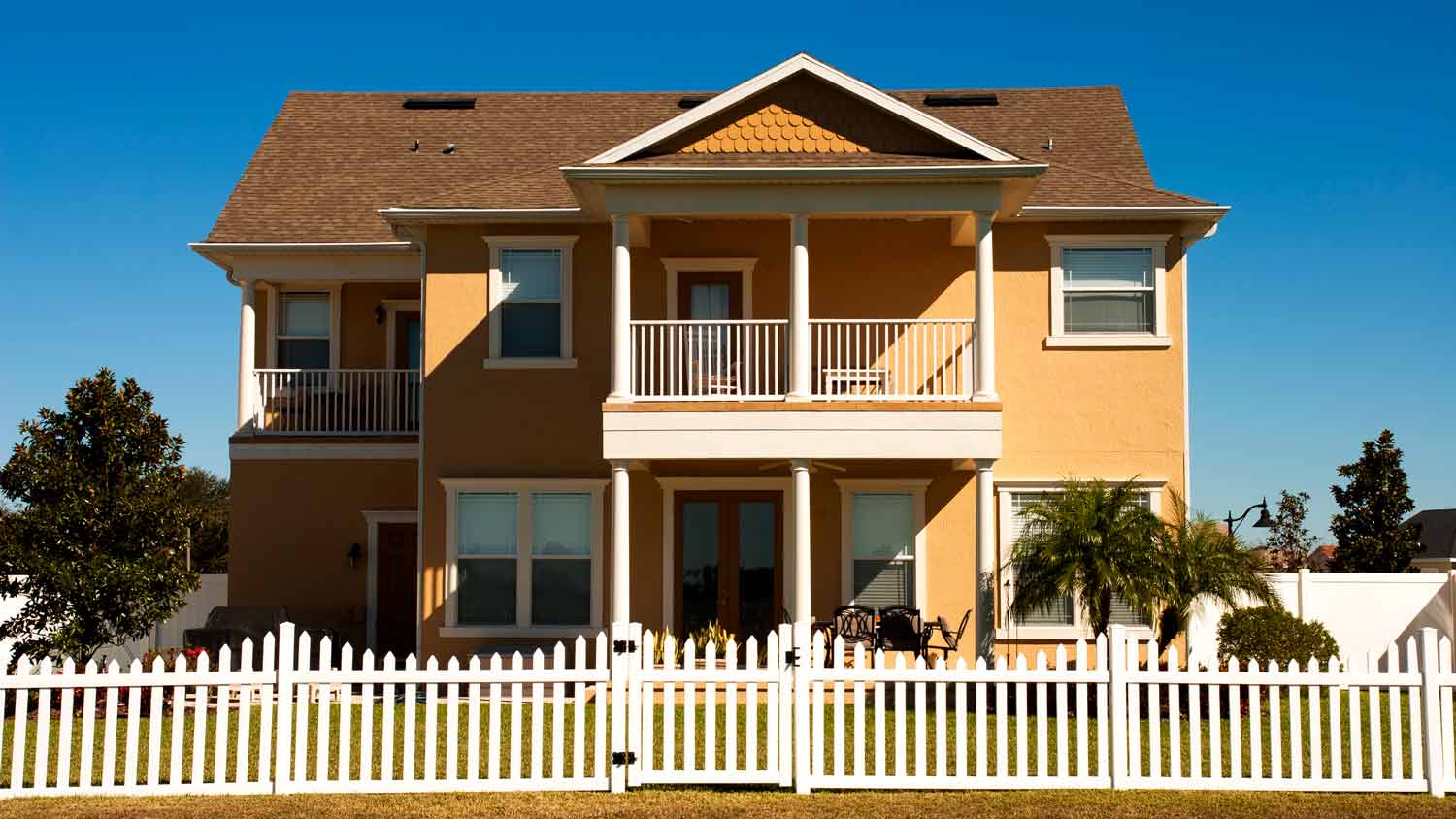
Deciding on the best fence paint color is difficult. This guide will help you choose a shade that creates the right vibe alongside your house color and landscaping.