




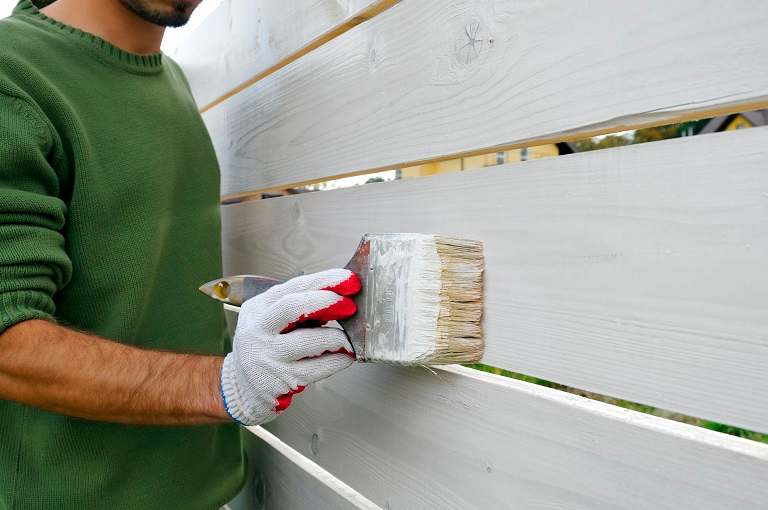
Top-rated fence painters.

Get matched with top fence painters in La Plata, NM

Enter your zip and get matched with up to 5 pros

Need a pro for your fence painting project in La Plata, NM?

Select your specific project to find the pro for you.

TRUSTED BY LA PLATA, NM HOMEOWNERS

  • Average homeowner rating star icon4.7
    Average homeowner rating
  • Verified reviews icon33
    Verified fence painting services reviews

Find Fence painters in La Plata

No results for Fence painter in

Try adjusting your search criteria.
Fence Painting questions, answered by experts

The best type of paint to use for chain link fences is an oil-based paint. Oil-based paints are durable and will withstand the elements well. Search for an oil-based paint with rust protection and aluminum flakes to further protect the longevity of the fence.

Applying a sealer or topcoat after staining wood is highly recommended, though not always strictly required. A sealer protects the wood from moisture, UV rays, and weather-related issues, which is especially important for outdoor surfaces like decks and fences. It also enhances the stain's durability, prevents fading over time, and gives the wood a cleaner, more professional-looking finish. For some indoor applications, a sealer may not be necessary, depending on the type of stain used and the level of protection needed. It's always best to check the stain manufacturer's recommendations and consider the wood's intended use and exposure when deciding whether to apply a sealer.

You shouldn't paint a metal fence. Painting doesn't necessarily damage a corrugated metal fence, but these types of fences are meant to flex, and paint can easily chip and break off. Latex paints can address this issue, but those tend not to be very weather-resistant. Certain paints can trap moisture in the corrugation, which can rust the metal and lead to corrosion. And finally, if you paint a copper fence, it won't patina, which is one of the main reasons people buy copper.  

Opt for an interior wood stain that is rated for your type of wood. Consider your personal style preferences as well as the overall use of the room when choosing a color. Remember, the color you see at the store may look different on your actual floors once applied. This is why if you have the chance, it’s helpful to test a few options on a scrap piece of wood in the room first. Once you narrow it down, you can test a small patch on an inconspicuous area in the room to see it on the actual floors.

Staining or sealing a cedar deck or fence is highly recommended to extend its lifespan and protect it from the elements. While cedar is naturally resistant to mold and mildew, it is not impervious to damage from moisture, sun exposure, splintering, fading, and rot over time. Applying a protective finish creates a shield that preserves the wood's strength and appearance, potentially extending its life by five to 10 years.

When choosing a finish, it's helpful to understand the difference between a sealer and a stain. A sealer sits on top of the wood, whereas a combination stain and sealer soaks into the top layer. Because it penetrates the wood, a stain generally offers better protection against UV damage and rot and lasts significantly longer. For the best results that also preserve the wood's natural color, consider using a near-translucent stain.

To maintain protection, plan on reapplying the stain or sealer every two to three years, either as a DIY project or by hiring a professional.

The La Plata, NM homeowners’ guide to fence painting services

From average costs to expert advice, get all the answers you need to get your job done.