

Top-rated fire pit installation pros.

Get matched with top fire pit installation pros in Northvale, NJ

Enter your zip and get matched with up to 5 pros

Need a pro for your fire pit installation project in Northvale, NJ?

Select your specific project to find the pro for you.

TRUSTED BY NORTHVALE, NJ HOMEOWNERS

  • Average homeowner rating star icon4.6
    Average homeowner rating
  • Verified reviews icon131
    Verified fire pit installation services reviews

Find Fire pit installation pros in Northvale

Fire Pit Installation questions, answered by experts

Yes, an electrical fire can start even if nothing is plugged into an outlet. While a correctly functioning outlet poses no risk, a fire can be caused by faulty wiring, damaged outlet components, an overloaded circuit, or other electrical problems hidden behind the walls. If you suspect a fault, immediately turn off the circuit breaker and contact a professional electrician to diagnose and repair the issue.

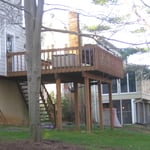
Yes, it is generally safe to have a fire pit on a deck, but you must adhere to building codes and take several safety precautions. For both built-in and freestanding models, you must use a heat-resistant barrier, such as a fire pit pad or heat shield, between the pit and the deck. Additionally, consider the weight of the fire pit and ensure your deck can structurally support it, reinforcing it if necessary. The fire pit must also be positioned a safe distance from your house, particularly from materials like vinyl siding, to prevent heat damage.

Smoke detectors come in two different options: hardwired or battery-operated. While hardwired units are attached directly to the home’s electrical system, a battery-operated smoke detector only needs a simple battery for operation and can be placed virtually anywhere in your home. Some homeowners may mistakenly think their battery-operated units are hardwired in because all their units are interconnected, but many battery-operated units can operate within a smoke alarm network in your home.
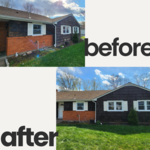
After a house fire, you should not reenter your home unless the fire crew has told you it’s safe to do so. In the longer term, you should not attempt to make repairs to the house on your own. Professional crews are trained to clean up after a fire (including smoke and soot damage), dry out any water damage from the firefighter crews, and make the necessary structural, plumbing, and electrical repairs—and this is all likely covered by insurance.

A chimney requires both a cover and a cap, but these parts often get confused with one another. A chimney cover seals the top of the chimney around the flue pipe to prevent water from entering the chimney. A chimney cap is a piece that sits above the flue to prevent animals, debris, and water from entering the flue.

The Northvale, NJ homeowners’ guide to fire pit installation services

From average costs to expert advice, get all the answers you need to get your job done.