
Top-rated generator install pros.

Best generator install pros near Greenwich, NJ

Enter your zip and get matched with up to 5 pros

Need a pro for your generator install project in Greenwich, NJ?

Select your specific project to find the pro for you.

Top-Rated Generator install pros in Greenwich - Updated Nov 2026

Avatar for Sebastian
Sebastian
New to Angi
Portable Generator - Repair

Serving Greenwich, NJ and surrounding areas

Approved

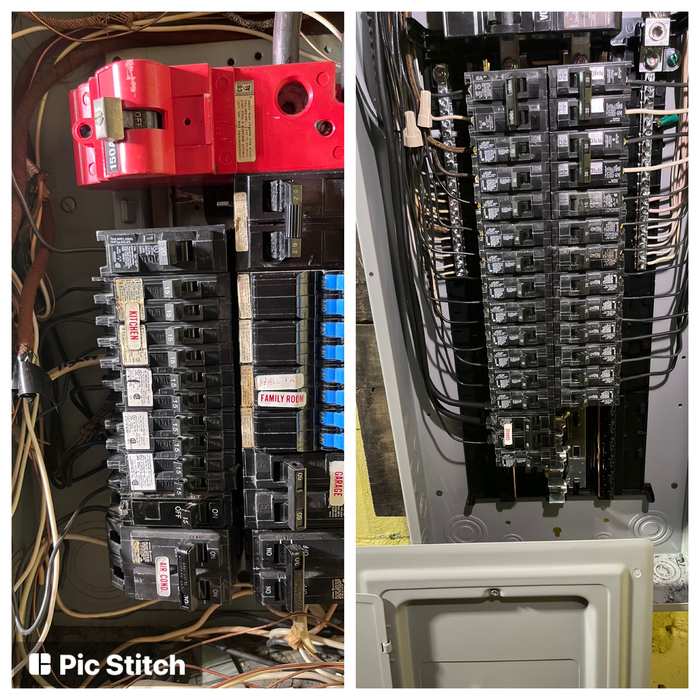
I’m Sebastian I am a new electrician who gets my electrical certificate at the end of April. I have excelled through my program at Pennco Tech and I have really good skills in repairing and installing lights, switch’s, breakers, circuits, etc.

Showing 1-10 of 32
Generator Install FAQs, answered by experts

Yes. You can connect your home back-up battery to a generator with its designated charger. Be sure that the output of the generator matches the input requirements for the battery for best results.

As a safety measure, you should always turn off the main breaker while operating your generator’s backup breaker. In addition, you should also switch off all appliance breakers so you don't have a power surge when the main breaker turns back on. And finally, turning off the main breaker prevents back-feeding, which endangers utility workers with the risk of electrocution. Back-feeding could also destroy the electrical circuits of your neighbors if they use the same power network.

The amount of time a standby generator can run continuously is around 3,000 hours on average. However, standby generators can generally run indefinitely as long as they have a continuous fuel supply. Generators hooked up to a home’s natural gas supply are the best option for extended usage, as these won’t rely on a finite fuel supply based on how much you have in storage. Generators running on liquid propane or diesel won’t last as long, as these require fuel storage and regular refueling to stay running.

Yes, in most municipalities, you will need a permit to install a permanent home generator, including emergency backup, partial-home, and whole-home models. Because these installations involve significant alterations to your home's electrical system and produce exhaust fumes, local governments often require a permit or inspection for safety purposes. A generator permit typically costs between $50 and $250, depending on your location. Your electrician or certified installer can usually handle the permitting process for you, but you will be responsible for the cost. It's a good practice to confirm with your installer that they will pull all necessary permits before work begins.

In most municipalities, you will need a permit to install a permanent home generator, including emergency backup, partial-home, and whole-home generators. A permit for a generator usually costs between $50 and $250, depending on where you live. Your electrician or certified generator installer will usually pull the permit for you—and might be required to do so by your building department—but you’ll be on the hook for the cost of the permit. You should ask your installer before agreeing to any work if they will pull the necessary permits for your project.

The Greenwich, NJ homeowners’ guide to generator installs

From average costs to expert advice, get all the answers you need to get your job done.