





Top-rated generator install pros.

Get matched with top generator install pros in Quinton, NJ

Enter your zip and get matched with up to 5 pros

Need a pro for your generator install project in Quinton, NJ?

Select your specific project to find the pro for you.

Find Generator install pros in Quinton

George Sparks Electric, LLC
4.6(
45
)
Fixed Generator - InstallGenerator - Install - For BusinessPortable Generator - Install

Serving Quinton, NJ and surrounding areas

Approved

In business since 1985

Free estimates

Emergency services offered

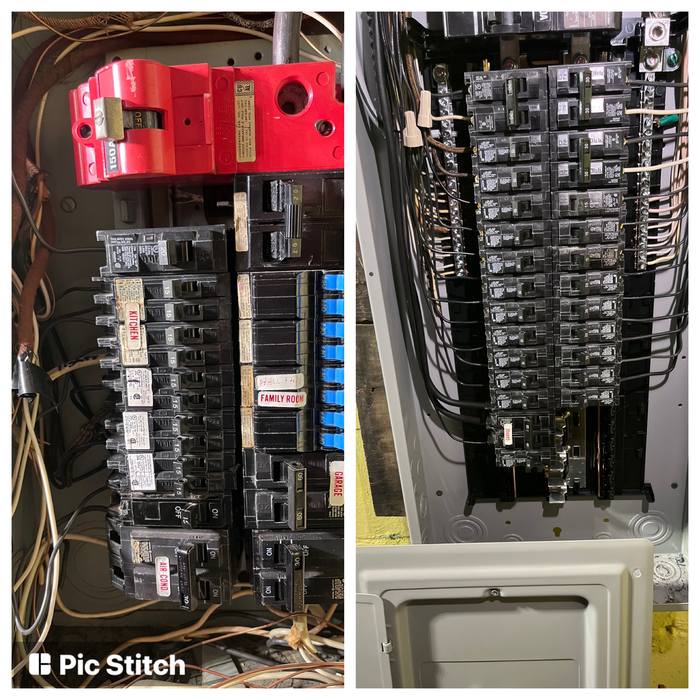
"I was so impressed. I had excellent service. I had my entrance cable (I think that is what it is called) and they installed a new fuse box. I lived in my house for 31 years and I have no idea how old my fuse box was but I was pulling 70 that how old it was not to mention it must have been a back yard electrician that put it in They did a great job at a great price. Thank You George Sparks Electric. I am very grateful for you service."
Response time2 days
5 neighbors recently requested a quote
Recommended by97%of homeowners

Avatar for Harris Plumbing, Heating, Air & Electrical
Harris Plumbing, Heating, Air & Electrical
3.9(
49
)
Fixed Generator - InstallFixed Generator - Repair

Serving Quinton, NJ and surrounding areas

Approved

In business since 1988

Credit card accepted

Customers say: Quick response

"After buying a new refrigerator, Home Depot told me I needed a plumber to run a new water line to the refrigerator. I was not happy with the Home Depot tech that called me. The plumber, Dave, arrived soon after I called Harris and did a phenomenal job! He was friendly, professional and worked quickly. Thank you, Dave, and Harris Plumbing!!"
Team
Team
Team
Truck
Truck

+8

Response time1 day
401 neighbors recently requested a quote
Recommended by29%of homeowners
Jason John
New to Angi
Portable Generator - Repair

Serving Quinton, NJ and surrounding areas

Approved

Emergency services offered

Warranties offered

Small jobs welcome

Jason John Electrical Services provides premium maintenance and troubleshooting for homes and small businesses. We specialize in diagnosing electrical problems, repairs, outlets/switches, lighting, ceiling fans, and breaker/tripping issues. Customers choose us for fast, reliable scheduling, safety-first workmanship, clean professional finishes, and clear communication from estimate to completion. Service area: Philadelphia and surrounding areas (up to 40 miles). Available weekends and weekdays 9:00 AM–2:00 PM by appointment.

Distribution Panel
Disconnect Switch
3 Phase Distr Panel
Conduit Installation
Electrical Projects

+1

Blue line electric Llc
New to Angi
Portable Generator - Repair

Serving Quinton, NJ and surrounding areas

Approved

Hello!\n\nI am a reliable, hardworking, and motivated professional committed to delivering high-quality work and excellent results. I have strong communication and organizational skills, pay close attention to detail, and always strive to meet deadlines.\n\nI am eager to learn new skills, adapt to different projects, and provide the best possible service to my clients. My goal is to build long-term professional relationships based on trust, professionalism, and customer satisfaction.\n\nThank you for visiting my profile. I look forward to working with you and helping you achieve your goals!

Showing 1-10 of 38
Generator Install questions, answered by experts

Yes, in some locations, it is required by the National Electric Code (NEC) to have a transfer switch installed for electrical emergencies. In addition to following electrical code, generator transfer switches ensure your home is fully protected during a power outage. By switching the power from the main breaker to the generator breaker, you can seamlessly operate your HVAC, lights, appliances, devices, and more during an emergency. 

Whole-house generators can run continuously for extended periods, even for weeks at a time (around 400 to 500 hours), as long as they have a sufficient fuel supply. However, this type of extensive use will increase wear and tear and can shorten the generator's overall lifespan. During long periods of operation, it's important to check and refill the engine oil as needed, potentially as frequently as daily depending on the model. If your generator uses a fuel tank, ensure it is kept full to prevent unexpected shutdowns.

While standby generators provide essential backup power, they can fail when you need them most due to lack of maintenance, fuel supply issues, dead batteries, electrical problems, or improper installation. To avoid costly failures, professional installation and regular maintenance are crucial. Licensed technicians ensure safety, uphold warranty requirements, comply with regulations, and provide expert servicing.

Generators run on a variety of fuel types, ranging from natural gas to solar power. Keep in mind that fuel costs varying by type:

  • Natural gas: $2,000–$21,000 per year 

  • Liquid propane: $2,000–$21,000 per year

  • Diesel: $3,000–$20,000 per year

  • Gasoline: $500–$3,000 per year

  • Solar generator: $2,000–$25,000 per unit

  • Battery backup: $10,000–$25,000 per unit

To determine the right size generator for your house, you should calculate the total wattage of the appliances and devices you want to power during an outage. List all essential items, note their start-up wattages, and add them together.

Here are some typical wattage requirements for common appliances:

  • Refrigerator: 600 watts

  • Large dehumidifier: 700 watts

  • Large window air conditioner: 1,400 watts

  • Water heater: 3,000 to 4,500 watts

  • Electric furnace: 5,000 to 25,000 watts

A 7,500-watt generator might be sufficient for essentials like a refrigerator, freezer, well pump, and lighting circuits. However, for high-demand items like a water heater or furnace, a whole-home generator is a better choice. A portable generator may be enough if you only need to power a few critical items.

While home square footage can offer a rough estimate, it is not always a reliable indicator. For reference, here are some typical generator sizes based on square footage:

  • 1,000 sq ft: 6–9 kW

  • 1,500 sq ft: 7–10 kW

  • 2,000 sq ft: 10–14 kW

  • 2,500 sq ft: 12–16 kW

  • 3,000 sq ft: 16–20 kW+

For the most accurate sizing, consult a professional who can calculate your home's peak and average power consumption and recommend the optimal generator.

The Quinton, NJ homeowners’ guide to generator installs

From average costs to expert advice, get all the answers you need to get your job done.