






Top-rated radon detection and reduction specialists.

Get matched with top radon detection and reduction specialists in Peru, NE

Enter your zip and get matched with up to 5 pros

Need a pro for your radon detection and reduction project in Peru, NE?

Select your specific project to find the pro for you.

Find Radon detection and reduction specialists in Peru

Avatar for National Radon Defense Midwest
National Radon Defense Midwest
4.7(
51
)

Serving Peru, NE and surrounding areas

Approved

In business since 2020

Free estimates

Warranties offered

"National Radon Defense Midwest employees were very knowledgeable and helpful. As we were selling our house we discovered that we had high radon readings and needed to mitigate the problem. They explained to us the process and clearly identified what they would recommend to resolve the issue. We thought it was very reasonably priced and feel confident intheir products, staff and installation"
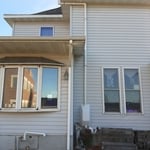
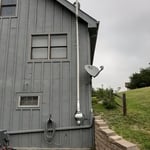
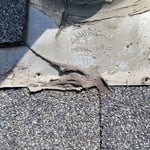
Exterior Exhaust Fan with Cover
Exterior Exhaust Fan and Discharge
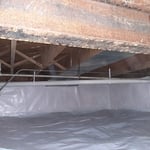
Crawlspace Encapsulation with Radon Mitigation
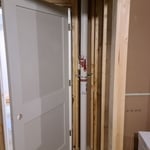
Cleverly Installed Extraction Point
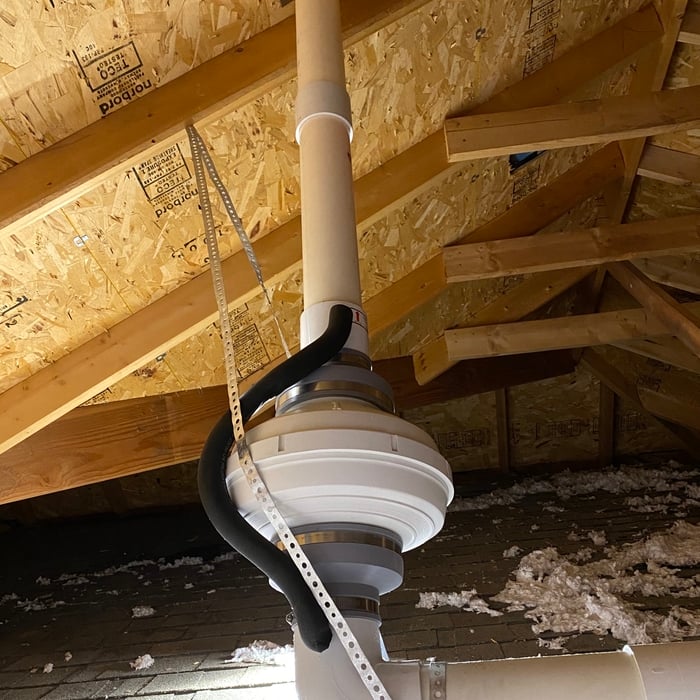
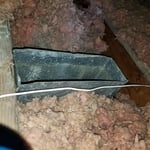
Interior Exhaust Fan

+15

Response time1 day
44 neighbors recently requested a quote
Recommended by96%of homeowners

Radon Detection and Reduction questions, answered by experts

The cost to replace a radon fan ranges from $300 to $600 for the fan itself, with installation adding an additional $200 to $500. Overall, the total cost for replacement can range from $500 to $1,100, depending on factors such as the fan model, home size, and local labor rates. If the fan is part of a larger radon mitigation system, the price may be higher.

No, air purifiers are not an effective way to reduce or remove radon. Radon is a radioactive, inert gas that cannot be filtered by standard air purifiers, which are designed to capture particulates like dust and mold. While an air purifier can improve indoor air quality by removing other pollutants, it should not be relied upon for radon. The only effective solution for high radon levels is a dedicated radon mitigation system.

You can vent radon out of your house sometimes by simply opening a window, but it won’t remove the source, and will likely rise above recommended levels quickly. A professional will be needed to assess your home, and determine the best strategy for radon removal. Active radon sump pumps and soil depressurization systems are often used to forcefully vent the radon from your home.

The lifespan of a radon mitigation system depends on the type of system and its maintenance. With proper care, a system can last for many decades. Passive systems tend to last longer as they have fewer components that require replacement. Active systems, which have more moving parts like fans, generally have a shorter lifespan. For instance, water filtration devices and active pressurization systems require more frequent maintenance. While the system as a whole is durable, the radon fan in an active system typically has a lifespan of 5 to 10 years and will need to be replaced. As long as the fan is working, the mitigation system should function correctly.

The natural breakdown of uranium in soil, rock, and water can cause radon to appear in a home. The gas seeps into homes through cracks in foundations, walls, or floors, as well as through gaps around pipes or construction joints. Radon levels are influenced by soil composition, building materials, and ventilation. Poorly sealed or airtight homes can trap radon, allowing it to accumulate.

The Peru, NE homeowners’ guide to radon detection and reduction services

From average costs to expert advice, get all the answers you need to get your job done.