




Top-rated radon detection and reduction specialists.

Get matched with top radon detection and reduction specialists in Humboldt, NE

Enter your zip and get matched with up to 5 pros

Need a pro for your radon detection and reduction project in Humboldt, NE?

Select your specific project to find the pro for you.

Find Radon detection and reduction specialists in Humboldt

Avatar for National Radon Defense Midwest
National Radon Defense Midwest
4.7(
51
)

Serving Humboldt, NE and surrounding areas

Approved

In business since 2020

Free estimates

Warranties offered

"We needed to reduce the Radon in our basement. They were very patient, explained what they would do and how it would be done. The installed was VERY professional and knew the work that needed done. He was polite and efficient. He has done this work many years and completed the work. They guaranteed the Radon to be 4.0 and under."
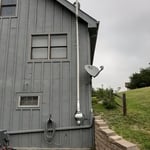
Exterior Exhaust Fan with Cover
Exterior Exhaust Fan and Discharge
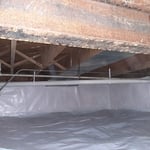
Crawlspace Encapsulation with Radon Mitigation
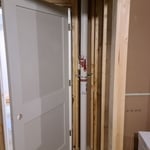
Cleverly Installed Extraction Point
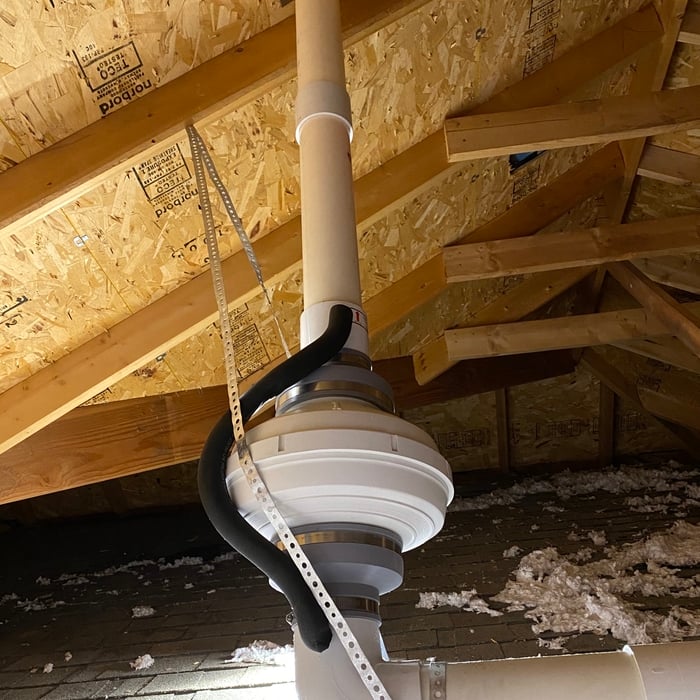
Interior Exhaust Fan

+15

Response time1 day
45 neighbors recently requested a quote
Recommended by96%of homeowners

Radon Detection and Reduction questions, answered by experts

Use a radon test kit or hire professionals to conduct a detailed assessment of radon levels in your home.

You'll need to test your home for radon after installing the mitigation system, then again every two years. If radon remains elevated, contact a licensed radon professional, either the contractor who installed the system or a different one, and have them evaluate the system. They may need to make some changes to improve its effectiveness and performance.

Keeping radon from getting into your home is much better than having to get rid of it once it's already indoors. While there may not be a way to fully prevent radon from getting into your home, there are things you can do to reduce the gas's ability to enter. 

Sealing foundation cracks and openings can help keep the gas from seeping inside. Improving air flow, such as by opening windows, can also be helpful. If you're building your home from scratch, talk to your contractor about using radon-resistant construction to keep the gas out.

No level of radon is technically safe, but since it is naturally present everywhere, it is impossible to avoid entirely. The average radon level in homes across the United States is 1.3 picocuries per liter (pCi/L). The Environmental Protection Agency (EPA) recommends taking action to reduce radon levels if your home's test results are between 2 and 4 pCi/L or higher.

If high radon levels are detected, steps include sealing entry points, installing a mitigation system, and retesting the air regularly to ensure reduced levels.

The Humboldt, NE homeowners’ guide to radon detection and reduction services

From average costs to expert advice, get all the answers you need to get your job done.