





Top-rated radon detection and reduction specialists.

Get matched with top radon detection and reduction specialists in Palmyra, NE

Enter your zip and get matched with up to 5 pros

Need a pro for your radon detection and reduction project in Palmyra, NE?

Select your specific project to find the pro for you.

Find Radon detection and reduction specialists in Palmyra

Avatar for National Radon Defense Midwest
National Radon Defense Midwest
4.7(
51
)
Radon Gas - AbatementRadon Gas - Testing

Serving Palmyra, NE and surrounding areas

Approved

In business since 2020

Free estimates

Warranties offered

"RADON SYSTEM WAS NOT WORKING. (Installed by another company years ago). The phone contact was pleasant and efficient. The Technician came on the agreed day and the agreed time: he explained what was wrong, explained the options, then repaired the system so it is working better than it did when first installed."
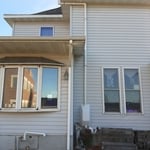
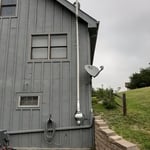
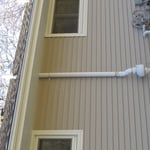
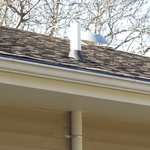
Exterior Exhaust Fan with Cover
Exterior Exhaust Fan and Discharge
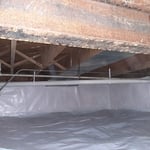
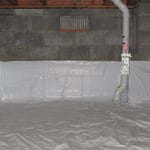
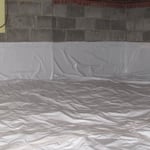
Crawlspace Encapsulation with Radon Mitigation
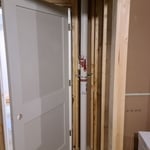
Cleverly Installed Extraction Point
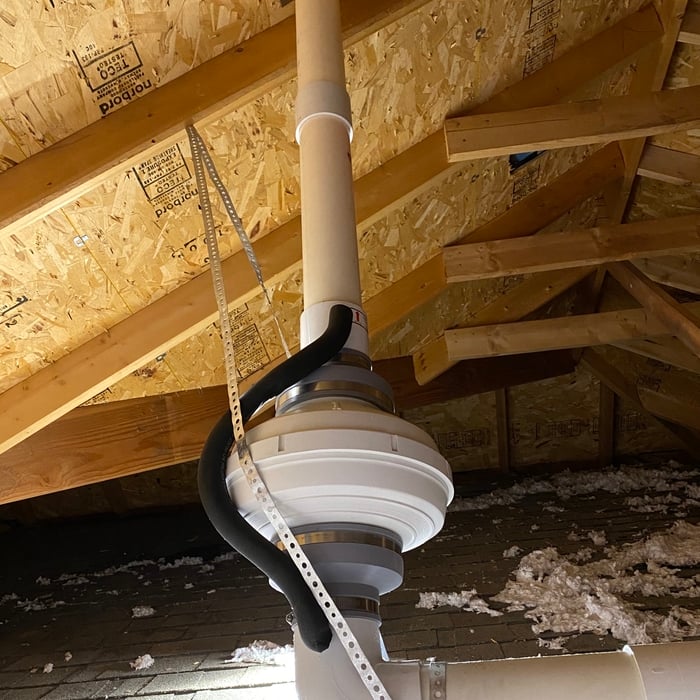
Interior Exhaust Fan

+15

Response time1 day
44 neighbors recently requested a quote
Recommended by96%of homeowners
Radon Detection and Reduction questions, answered by experts

Radon is the number one non-smoking cause of lung cancer in the United States, but it can cause some other concerning side effects in the meantime. If you have a raspy voice, chest pains, trouble breathing, difficulty swallowing, or any of the above, don’t hesitate to perform radon testing and install a mitigation system as soon as possible.

No level of radon is technically safe, but since it is naturally present everywhere, it is impossible to avoid entirely. The average radon level in homes across the United States is 1.3 picocuries per liter (pCi/L). The Environmental Protection Agency (EPA) recommends taking action to reduce radon levels if your home's test results are between 2 and 4 pCi/L or higher.

Long-term exposure increases lung cancer risks. Prolonged homestay individuals and smokers encounter heightened vulnerability and exposure concerns.

No, radon mitigation systems do not decrease home value or make a home harder to sell. In areas where homes experience similar radon exposure risks, a radon mitigation system is viewed as an improvement. Potential homebuyers often opt to buy a home with a radon mitigation system already installed to reduce the risk of cancer for their families.

The average radon mitigation system uses about 876 kWh of electricity per year, although the exact amount of electricity used will vary depending on the size of the radon fan. Once the system is installed, the annual increase to your energy bill could range from $30 to $300 per year, again depending on the size of the fan.

The Palmyra, NE homeowners’ guide to radon detection and reduction services

From average costs to expert advice, get all the answers you need to get your job done.