

Top-rated radon detection and reduction specialists.

Get matched with top radon detection and reduction specialists in Falls City, NE

Enter your zip and get matched with up to 5 pros

Need a pro for your radon detection and reduction project in Falls City, NE?

Select your specific project to find the pro for you.

Find Radon detection and reduction specialists in Falls City

Avatar for National Radon Defense Midwest
National Radon Defense Midwest
4.7(
51
)
Radon Gas - AbatementRadon Gas - Testing

Serving Falls City, NE and surrounding areas

Approved

In business since 2020

Free estimates

Warranties offered

"We needed to reduce the Radon in our basement. They were very patient, explained what they would do and how it would be done. The installed was VERY professional and knew the work that needed done. He was polite and efficient. He has done this work many years and completed the work. They guaranteed the Radon to be 4.0 and under."
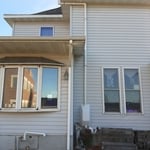
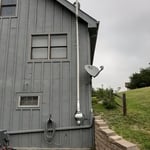
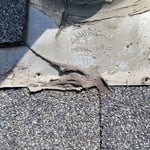
Exterior Exhaust Fan with Cover
Exterior Exhaust Fan and Discharge
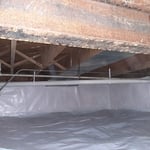
Crawlspace Encapsulation with Radon Mitigation
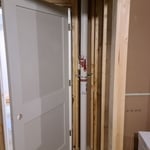
Cleverly Installed Extraction Point
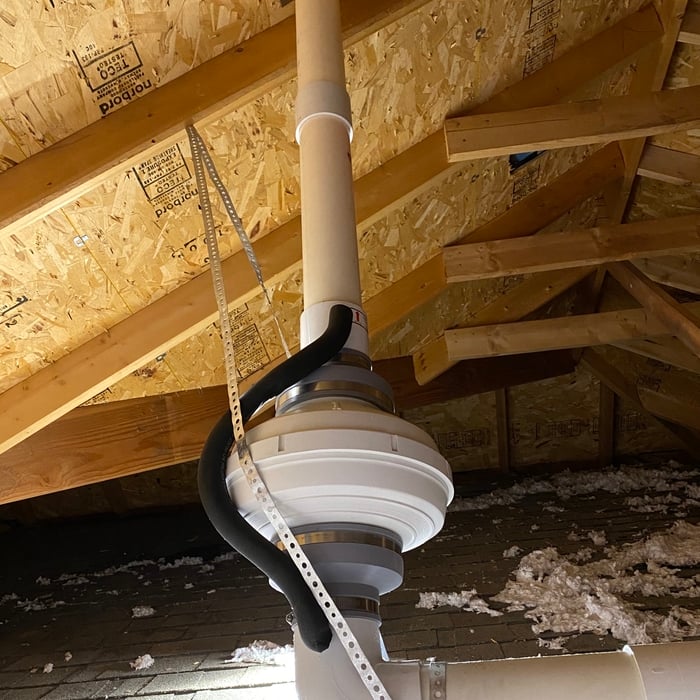
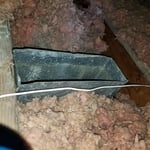
Interior Exhaust Fan

+15

Response time1 day
47 neighbors recently requested a quote
Recommended by96%of homeowners
Avatar for The Environmental Guys LLC
The Environmental Guys LLC
New to Angi
Radon Gas - Testing

Serving Falls City, NE and surrounding areas

In business since 2025

Free estimates

Emergency services offered

We test for several different hazardous materials and gas. We also off mold & mildew surface removal and cleaning with environmental friendly cleaners. We do offer free quotes and consulting on remedies for issues to your home or business.

Radon Detection and Reduction questions, answered by experts

No level of radon is technically safe, but since it is present everywhere, complete avoidance is impossible. The average radon level in homes across the United States is 1.3 picocuries per liter (pCi/L). The Environmental Protection Agency (EPA) recommends taking preventative measures if your home's radon levels are between 2 and 4 pCi/L or higher.

Radon enters your home when warm air begins to rise and exits through the roof, creating a vacuum that pulls cooler air from under the foundation. Part of that air is radon, which is an invisible, odorless gas that develops naturally when radioactive particles are deep within the ground. Those particles usually come from decaying matter in soil and rocks.

Options include sub-slab depressurization, crawlspace ventilation, and sealing cracks. Choose based on home construction and radon levels.

You'll need to test your home for radon after installing the mitigation system, then again every two years. If radon remains elevated, contact a licensed radon professional, either the contractor who installed the system or a different one, and have them evaluate the system. They may need to make some changes to improve its effectiveness and performance.

Radon is present almost everywhere but, like sunlight, the concentration levels and how often you are exposed to it have a large part to play in just how dangerous it is. There are levels of radon that are acceptable inside a house, but above a certain limit, radon becomes a serious radioactive hazard that is a known cause of lung cancer. In fact, radon exposure is the number two leading cause of lung cancer (after smoking).

The Falls City, NE homeowners’ guide to radon detection and reduction services

From average costs to expert advice, get all the answers you need to get your job done.