


Top-rated asphalt driveway pros.

Get matched with top asphalt driveway pros in Valentine, NE

Enter your zip and get matched with up to 5 pros

Need a pro for your asphalt driveway service project in Valentine, NE?

Select your specific project to find the pro for you.

Find Asphalt driveway pros in Valentine

Meadows Masonry, LLC
New to Angi
Brick and Stone Driveways & Floors - Install

Serving Valentine, NE and surrounding areas

In business since 2021

Credit card accepted

MEADOWS MASONRY, LLC is committed to excellence in every aspect of our business. We uphold a standard of integrity bound by fairness, honesty, and personal responsibility. Our distinction is the quality of service we bring to our customers. Accurate knowledge of our trade combined with ability is what makes us true professionals. Above all, we are watchful of our customers' interests, and make their concerns the basis of our business.

Asphalt Driveways questions, answered by experts

An ideal driveway gradient is between 2% and 5%. Anything lower than 1% or higher than 15% can cause problems for your car or property. A driveway with less than a 1% slope increases your likelihood of flooding and water damage, while a driveway with a 15% grade or higher can be too steep for safe traveling.

Building a road on a slope requires careful planning and will normally require a drainage system underneath to prevent flooding and damage to the road over time. Your professional may lengthen your road to create switchbacks if the slope directly to your home is too steep, as there are regulations for maximum road slope. The drainage system will help prevent runoff from the higher side of the slope from damaging the asphalt or concrete. Keep in mind that building a road on a slope isn’t a good DIY project, as a lot can go wrong.

Asphalt is not a type of concrete. While both are a common type of pavement, asphalt is composed of aggregates (like sand and gravel) and bitumen; concrete is a mixture of cement, aggregates, and water. Here are some of the key differences between asphalt and concrete driveways.

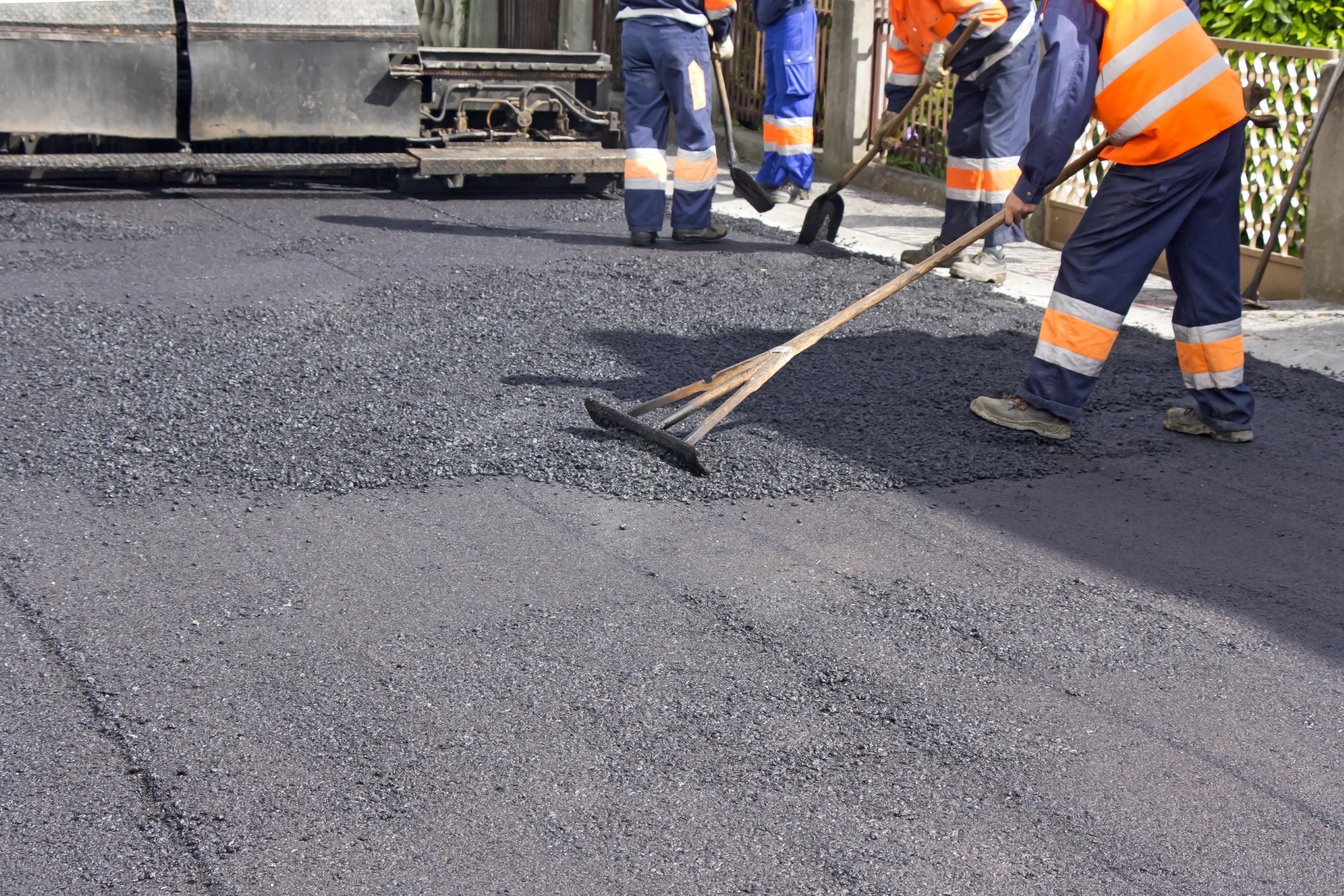
The three most common types of asphalt are hot asphalt, MC cold mix, and UPM asphalt. Hot asphalt is used most often for paving and patching roadways while it’s hot and workable. MC cold mix asphalt cures more slowly than hot asphalt, but it can be used for temporary patches and repairs in low-traffic areas. UPM is also used cold, but it can be used as a longer-term fix, usable in almost any conditions at almost any temperature.

A driveway's lifespan varies by material. Asphalt driveways typically last 15 to 30 years, while concrete driveways last longer, between 20 and 50 years. The longevity of any driveway is affected by factors like extreme temperatures, heavy traffic, and the quality of maintenance. Regular upkeep, such as filling cracks, resealing the surface, and ensuring proper drainage, can help extend its life. For gravel driveways, regrading to fill in uneven areas every year or two is recommended.

The Valentine, NE homeowners’ guide to asphalt driveway services

From average costs to expert advice, get all the answers you need to get your job done.