






Top-rated drywall pros.

Get matched with top drywall pros in Lincoln, NE

Enter your zip and get matched with up to 5 pros

Need a pro for your drywall service project in Lincoln, NE?

Select your specific project to find the pro for you.

TRUSTED BY LINCOLN, NE HOMEOWNERS

  • Average homeowner rating star icon4.6
    Average homeowner rating
  • Verified reviews icon111
    Verified drywall services reviews

Find Drywall pros in Lincoln

Avatar for CM Design
CM Design
4.9(
50
)
Drywall - RepairDrywall - Repair - For Business

Serving Lincoln, NE and surrounding areas

Approved

Super Service Award Winner

In business since 2019

Free estimates

Small jobs welcome

"Cyrus was great to work with. He was able to get the work done sooner and faster than I imagined and has several skills. He really took care of two jobs for us - one for drywall and basement finish and one for kitchen cabinets. Very versatile."
Response time10 hrs
Response rate95%
6 neighbors recently requested a quote
Avatar for TDN Construction
TDN Construction
5.0(
2
)
Drywall - InstallDrywall - Install - For BusinessDrywall - Repair+1 more

Serving Lincoln, NE and surrounding areas

Approved

In business since 2024

Free estimates

Offers commercial services

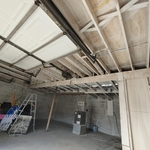
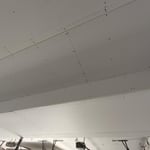
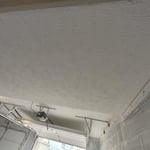
We are a locally owned and operated company that values honesty and integrity and treats your home as if it were our own. We offer a variety of General Contractor services that are customizable to each individual project. You will find us to be competitively priced, paying close attention to the details of each and every project that we are involved with. We look forward to building lasting relationships and guarantee your satisfaction!

Beatrice interior finish

+13

Response time7 hrs
9 neighbors recently requested a quote

...
Showing 1-10 of 138
Drywall questions, answered by experts

In framing, studs are placed at 16-inch intervals to coincide with the typical spacing of wall materials such as drywall or plywood. This spacing is called "on-center" and is necessary for maintaining structural stability and efficient use of materials. The 16-inch spacing also helps to distribute the weight evenly across the building's structure. For those looking to cut material costs and improve energy efficiency, 24-inch stud spacing can be employed through a method called "advanced framing". This requires careful planning and adherence to local building codes to ensure structural integrity.
Whether you can reuse a drywall anchor depends on its type, material, and how it is removed. Plastic anchors, such as expansion or self-drilling types, are generally considered single-use because they are designed to expand and are likely to break or become deformed upon removal. Metal anchors, like toggle bolts, are more durable and can often be reused if they are not damaged during extraction. However, with toggle bolts, the toggle mechanism can fall inside the wall when the bolt is removed, making it difficult to retrieve. If an anchor is damaged or must be cut for removal, it cannot be reused regardless of its material.

You should stagger drywall sheets to help prevent cracking. The joints between drywall sheets are the weak spots, so if you install drywall with seams aligned, you’ll create weak lines that run across the length of the wall and extend from floor to ceiling. But when you stagger drywall, the solid sections of panels will support the joints. This can prevent seams from cracking or separating due to fluctuating temperature and humidity, vibrations from movement inside the home, and gravity.

Although they are used for similar tasks, spackle and joint compound are not the same. Joint compound, also known as drywall mud, consists of limestone and gypsum and is primarily used for large-scale projects like taping and finishing seams on new drywall. Spackle is composed of gypsum and binding agents, making it a thicker compound best suited for small wall repairs like filling nail holes or cracks, as it dries quickly and is easy to sand. For small repairs, either product can be suitable. However, you can use joint compound for small jobs in place of spackle, but you cannot use spackle for large-scale taping and mudding projects.

Plaster provides a durable, soundproof, and moisture-resistant finish compared to drywall.

The Lincoln, NE homeowners’ guide to drywall services

From average costs to expert advice, get all the answers you need to get your job done.