

Installing drywall is the most common way to finish your home’s interior. Use this drywall installation cost guide to see what your project is likely to cost.
Thick or thin, drywall is the go-to pick for today's interiors

Standard drywall thickness options range from one-fourth inch to five-eighths inch, with one-half inch being the most common choice for your interior walls.
The thickest five-eighths inch drywall weighs more and costs more than thinner options, but it provides better soundproofing and fire resistance for your home.
Your drywall thickness choice depends on where you're installing it, whether you need fire resistance or soundproofing, and your ceiling height or wall length.
Hiring a local drywall professional takes the guesswork out of choosing the right thickness and dimensions, especially for tall ceilings or curved walls.
Drywall is the material of choice for constructing walls and ceilings in homes and other buildings. If you're dividing up an existing room or building from scratch, you need to know what drywall thickness and dimensions to choose. Luckily, drywall is standardized and typically comes in a few thicknesses and dimensions.
Drywall is a material that covers the studs and boards, forming the interior walls in a home or building. Starting in the mid-1900s, drywall replaced plaster as the material of choice for new construction. You may hear some call it sheetrock, which is a brand name of drywall.
Drywall comes in panels of various thicknesses, lengths, and widths. It can also serve different functions. Some types of drywall are treated to resist moisture and limit mold growth. There are also fire-resistant and soundproofing drywall panels.

Drywall is available in four standard thicknesses. The drywall thickness and how much drywall you need for your project depends on where you're using it and the project goal.
The thicker a drywall panel, the heavier and sturdier it is. However, there are cases when a lightweight, more flexible drywall panel is the better pick.
| Drywall Thickness in Inches | Best For |
|---|---|
| ¼ | Walls with a slight curve or covering existing walls |
| ⅜ | Walls with a slight curve or repairing walls |
| ½ | Most interior drywall projects |
| ⅝ | Soundproofing, increasing fire resistance, or ceilings |
The thinnest and lightest option, this drywall thickness is often used on walls that have a slight curve since its thinness makes it slightly flexible. Another common use for the one-fourth inch drywall is covering existing walls, rather than tearing them down and rebuilding. You can also use it to cover a popcorn or textured ceiling, without having to replace the entire ceiling.
When it comes to lightweight versus standard drywall, these panels weigh only 38 pounds and are very thin, so they must be handled with care to avoid bending or breaking.
While not as common as other drywall thicknesses, this drywall size is often used to repair damaged areas or on curved walls.
The one-half-inch drywall is the most commonly used thickness when constructing interior walls. It works with wood or steel frames and can also be used for ceilings.
A few types of this drywall are available, including mold- and moisture-resistant. Some versions of one-half inch thick drywall are used for soundproofing, while some lightweight versions also exist for instances when weight is a concern.
The thickest option available, this drywall thickness is often the material of choice when soundproofing or when fire resistance is important. It's sometimes called fire-rated drywall.
This drywall is most often used in commercial or multi-family buildings, where noise may be a concern or where firewalls between residences are needed. While it can be used in private residences, its weight and higher cost make it an uncommon choice.
Another common use for this drywall thickness is in ceilings. Since it's sturdier than other options, it's less prone to sagging.
Drywall comes in panel form, and those panels have standard dimensions. While it's possible to special order custom drywall sizes, if you visit your local hardware store or home center, you'll see the following sizes.
| Drywall Dimensions in Feet | Best For |
|---|---|
| 4x8 | Most drywall projects |
| 4x12 | Homes with tall ceilings or long rooms |
| 4x16 | Home with tall ceilings or long rooms |
Drywall is almost always sold in four-foot widths, and the four-foot by eight-foot drywall panel is the most common size. This panel weighs about 50 pounds, so it’s possible that one person can carry it. However, it is often sold in stacks of two, sandwiched together, which can make it a little more difficult to transport.
Using this size of drywall gives you a lot of options, as you can hang the panels vertically or horizontally.
Many of today’s homes have ceilings taller than eight feet—meaning you either need to use multiple drywall panels, leaving a visible seam between the two, or choose a longer drywall length. Typically, choosing the longer length is the better option, so these drywall panels are an easy-to-find option.
The longer length does mean that these panels weigh more than the four-foot by eight-foot option. They can also be tougher to carry or maneuver around corners. Plan to recruit a friend or two to help you or hire a local drywall installer to do the job.
While you are more likely to find eight- and 12-foot-long drywall panels in stock at your local hardware store, other sizes are available. For projects with tall ceilings or long rooms, you may need four-foot by 16-foot drywall panels. Drywall is also sometimes available in 10- or 14-foot lengths.
Although four feet is the most common width, your hardware store may be able to cut the drywall to a smaller size for you.
For the majority of projects, 4-by-8-foot drywall sheets will be your best bet. They fit well with 16-inch on center studs and aren’t too big to maneuver. If you’re installing drywall in a room with high ceilings or a room that is especially long, you may want to go with a larger size to cut down on the number of panels you have to install and then tape and mud.
Cancelled appointment two hours after they were supposed to come for drywall work.
 Hutch And Sons Drywall Services
Cole has been handling plumbing and general contracting for our four properties over the past three years, and he’s always done a great job. Most recently, he installed a sink and countertop in our retail store where none existed before, and it turned out exactly how we needed. He’s...
 ANB Renovations LLC
I would recommend this company to anyone! He showed up on time, was friendly, completed a very difficult repair on our dryer vent cover, was responsive, and pricing was extremely fair and competitive. I would have him back to do any of our repairs or cleanings without hesitation!
 U.S.A. Dryer Vent, LLC
I cant stop admiring my newly painted walls. Custom Paint Jobs LLC made my house feel brand new.
 Custom Paint Jobs, LLC
Excellent experience with hiring Tether House to Mount our 77’ Samsung TV in our bedroom. Fast, friendly, and knowledgeable. Highly recommend.
 Tether House
Excellent customer service and knowledge. I was recommend to him from my neighbour. My front door and window came in great and were installed beautifully perfectly, I m very satisfied with their excellent work, so decided to order one more big bow window for my living room. I cant wait for...
 Window Depot USA of Central Ohio
Would hire again. Wall looks great. Happy with job.
 Central Paving
Involved an extensive bathroom remodel, including removing tub & installing walk in shower, new drywall, custome tile work to ceiling, plumbing, etc. Overall, job was done on time and on budget. Nick & his team were very professional and had high attention to detail. Quality was great. Highly...
 Stamos Flooring and Remodeling LLC
We have had a great experience with Rising Height for the past five years on a number of miscellaneous renovation projects. They laid flooring for us and had a very good sub do the finish. Installed drywall for a vaulted ceiling, finished an attic/loft with new subfloor, framing and drywall,...
 Rising Height Unlimited
Mr. Lopez was super nice and professional. He repaired our drywall just as he described during the estimate phase. Our dining room wall looks great again! Thanks Mr. Lopez!
From average costs to expert advice, get all the answers you need to get your job done.
Installing drywall is the most common way to finish your home’s interior. Use this drywall installation cost guide to see what your project is likely to cost.
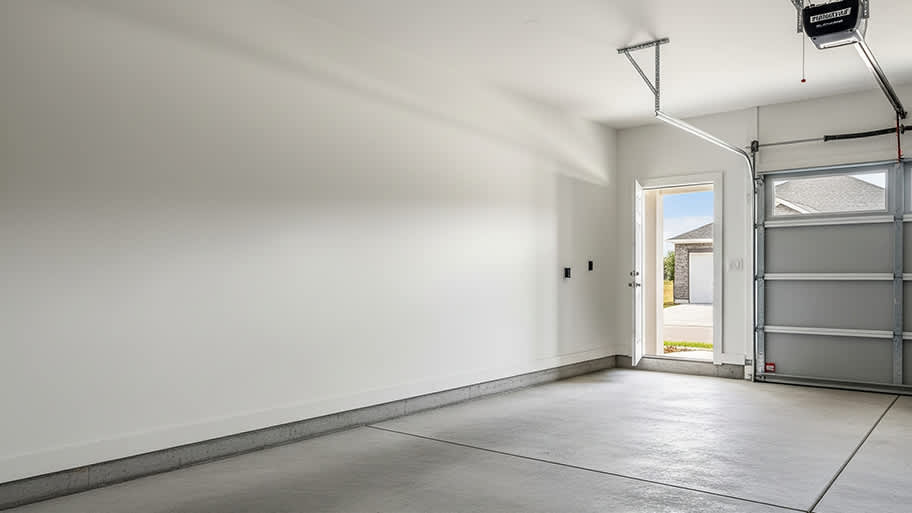
The cost to drywall a garage depends on the size, materials, labor, and more. This guide will help you budget for installing drywall in your garage.
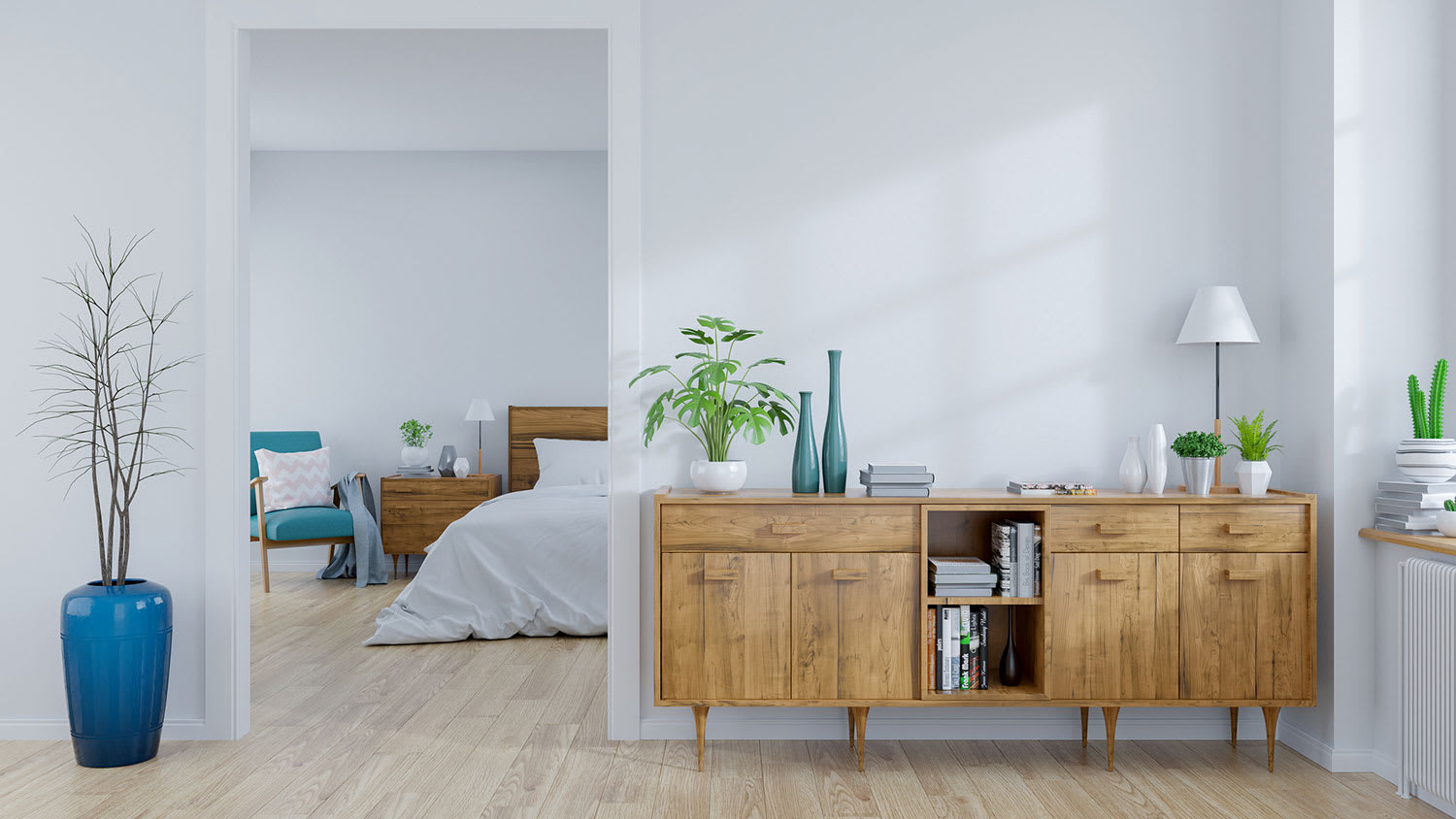
Drywall is one of the most important things to get right during home renovations. Use this guide to figure out what type of drywall is best for your project.
If you’re planning to DIY your drywall installation, you’re probably wondering how much a sheet of drywall weighs. Let’s take a look.
The terms drywall and Sheetrock are often used interchangeably, but one is a brand and one is a specific product. Find out which one you need in this guide.

What size drywall screws you should use depends on the thickness of your drywall and the stud material. This guide can help you choose the perfect match.