






Top-rated radon detection and reduction specialists.

Get matched with top radon detection and reduction specialists in Beatrice, NE

Enter your zip and get matched with up to 5 pros

Need a pro for your radon detection and reduction project in Beatrice, NE?

Select your specific project to find the pro for you.

Find Radon detection and reduction specialists in Beatrice

Avatar for National Radon Defense Midwest
National Radon Defense Midwest
4.7(
51
)
Radon Gas - AbatementRadon Gas - Testing

Serving Beatrice, NE and surrounding areas

Approved

In business since 2020

Free estimates

Warranties offered

"We needed to reduce the Radon in our basement. They were very patient, explained what they would do and how it would be done. The installed was VERY professional and knew the work that needed done. He was polite and efficient. He has done this work many years and completed the work. They guaranteed the Radon to be 4.0 and under."
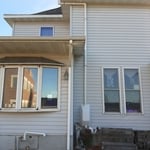
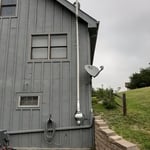
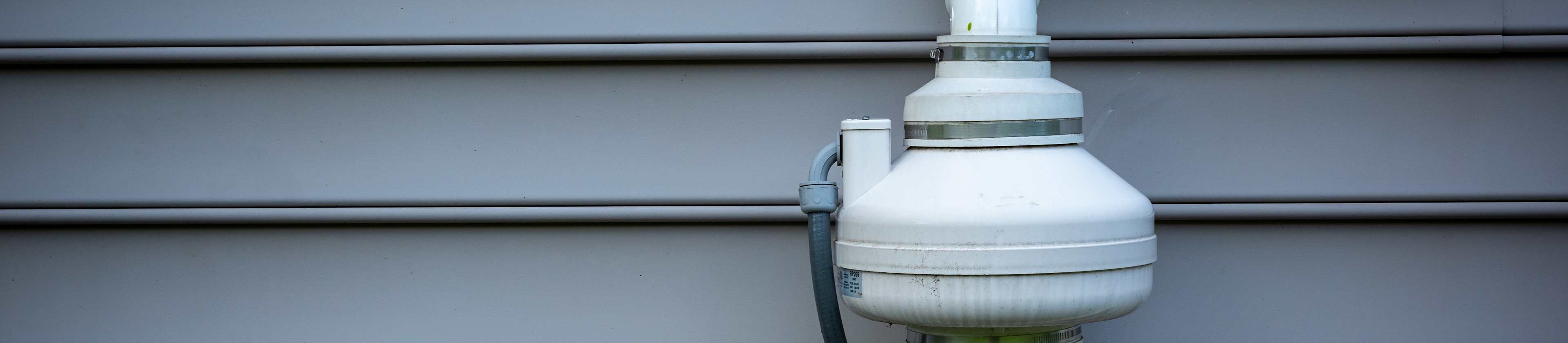
Exterior Exhaust Fan with Cover
Exterior Exhaust Fan and Discharge
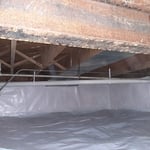
Crawlspace Encapsulation with Radon Mitigation
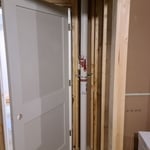
Cleverly Installed Extraction Point
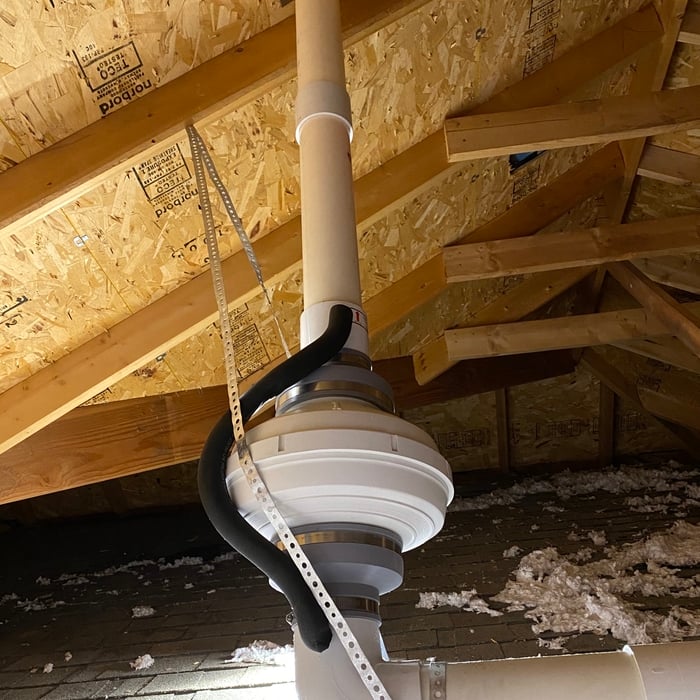
Interior Exhaust Fan

+15

Response time1 day
39 neighbors recently requested a quote
Recommended by96%of homeowners

Radon Detection and Reduction questions, answered by experts

Many radon fans carry a five-year manufacturer's warranty. That said, your radon fan should last between five and ten years. Regular inspections will ensure the fan is operating properly. Unusual or exceptional noise coming from the fan or indications on your manometer or system monitor can immediately tell you that something is amiss.

No, air purifiers are not an effective way to reduce or remove radon. Radon is a radioactive, inert gas that cannot be filtered by standard air purifiers, which are designed to capture particulates like dust and mold. While an air purifier can improve indoor air quality by removing other pollutants, it should not be relied upon for radon. The only effective solution for high radon levels is a dedicated radon mitigation system.

No level of radon is technically safe, but since it is naturally present everywhere, it is impossible to avoid entirely. The average radon level in homes across the United States is 1.3 picocuries per liter (pCi/L). The Environmental Protection Agency (EPA) recommends taking action to reduce radon levels if your home's test results are between 2 and 4 pCi/L or higher.

No level of radon is technically safe, but since it is present everywhere, complete avoidance is impossible. The average radon level in homes across the United States is 1.3 picocuries per liter (pCi/L). The Environmental Protection Agency (EPA) recommends taking preventative measures if your home's radon levels are between 2 and 4 pCi/L or higher.

You can vent radon out of your house sometimes by simply opening a window, but it won’t remove the source, and will likely rise above recommended levels quickly. A professional will be needed to assess your home, and determine the best strategy for radon removal. Active radon sump pumps and soil depressurization systems are often used to forcefully vent the radon from your home.

The Beatrice, NE homeowners’ guide to radon detection and reduction services

From average costs to expert advice, get all the answers you need to get your job done.