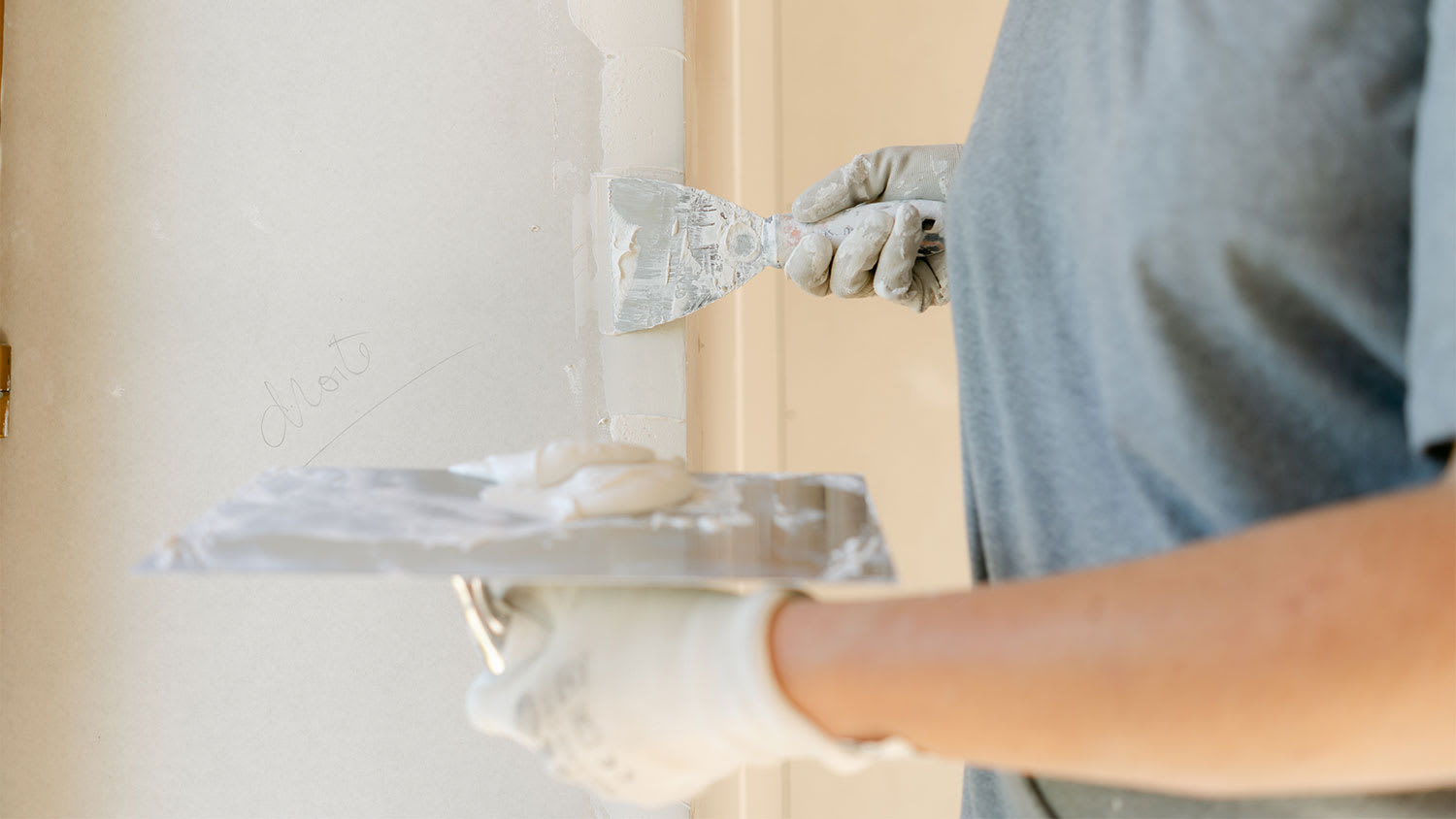





Top-rated plaster repair specialists.

Best plaster repair specialists near Hooper, NE

Enter your zip and get matched with up to 5 pros

Need a pro for your plaster repair project in Hooper, NE?

Select your specific project to find the pro for you.

TRUSTED BY HOOPER, NE HOMEOWNERS

  • Average homeowner rating star icon4.1
    Average homeowner rating
  • Verified reviews icon10
    Verified plaster repairs reviews

Top-Rated Plaster repair specialists in Hooper - Updated Nov 2026

Avatar for Anointed Power
Anointed Power
2.5(
27
)
Plaster - InstallPlaster - Install - For BusinessPlaster - Repair+1 more

Serving Hooper, NE and surrounding areas

In business since 2007

Free estimates

"I hired Donald to build a sundeck around my pool, that was in dire need of repair. Not only was he prompt and curtious, but he was very helpful and gave me suggestions that I hadn't thought of! Kudos to this company, and his attentive and helpful crew! Thank you Anointed Power!!!"
cleaning and trash out

+136

Recommended by70%of homeowners
MOC Contracting
New to Angi
Plaster - InstallPlaster - Repair

Serving Hooper, NE and surrounding areas

With over 50 years in business, our team specializes in drywall installation, plastering, and drywall repair and texturing. We bring decades of hands-on experience to every project, whether you’re finishing a new space, repairing damage, or refreshing worn walls and ceilings.\n\nAs a crew of 15+ dedicated professionals, we’re large enough to handle jobs efficiently, but small enough to care about every detail. We focus on clean lines, smooth finishes, and reliable timelines, so your project looks great and stays on schedule.\n\nIf you’re looking for long-lasting, professional drywall and plaster work, we’d be glad to talk about your project and provide an estimate.

MRR finish
New to Angi
Plaster - InstallPlaster - Repair

Serving Hooper, NE and surrounding areas

Free estimates

Emergency services offered

Small jobs welcome

Quality work is my priority. I never cut corners and always make sure the job is done the right way. I've been working with drywall since I was 12, and that early start taught me the value of craftsmanship, attention to detail, and pride in every finish.\nAs a one-person business, you'll work directly with me from start to finish. I combine meticulous workmanship with efficient planning, so your project is completed on time and with as little disruption to your home as possible.\nI'm committed to clear communication, honest expectations, and a smooth, stress-free drywall experience. If you're looking for reliable, high-quality drywall work, I'd be glad to help.

K-Rawls Drywall
New to Angi
Plaster - Repair

Serving Hooper, NE and surrounding areas

In business since 2015

Free estimates

Emergency services offered

K-Rawls Drywall is committed to excellence in every aspect of our business. We uphold a standard of integrity bound by fairness, honesty, and personal responsibility. Our distinction is the quality of service we bring to our customers. Accurate knowledge of our trade combined with ability is what makes us true professionals. Above all, we are watchful of our customers' interests, and make their concerns the basis of our business.

Showing 1-10 of 11
Plaster Repair FAQs, answered by experts

Although they have similar applications, spackle and joint compound are not the same. Their primary differences lie in their composition, consistency, and ideal use cases.

Spackle is composed of gypsum and binding agents, making it thicker than joint compound. It dries quickly and is easy to sand, which makes it ideal for small wall repair projects like filling nail holes or patching minor damage.

Joint compound, also known as drywall mud, consists of limestone and gypsum. It is primarily used for large-scale projects, such as taping and finishing the seams on newly installed drywall. It tends to shrink more than spackle and can be more difficult to spread.

While both products can be used to fill small depressions and cracks, spackle cannot replace joint compound for taping and mudding new drywall. Conversely, you can often use joint compound for small patching jobs typically done with spackle.

All plaster walls will crack over time due to normal house settling and expansion and contraction from temperature and moisture changes. Small, thin hairline cracks are generally not serious and are mostly a cosmetic issue. However, larger or more significant cracks can indicate structural problems.

Here's how to tell the difference:

  • Cosmetic Cracks: Cracks that are 0.5 cm (0.2 inches) or thinner are typically cosmetic.

  • Structural Cracks: Cracks wider than 0.5 cm, excessive or deep cracks, multiple cracks in the same area, or cracks that span around corners can signify a structural or foundation issue. Cracks along the joints where walls meet the ceiling also warrant attention.

For cracks wider than 0.5 cm, structural repair is needed. If a crack is 2.5 cm (1 inch) or wider, or if you notice any signs of a structural problem, it is best to contact a plaster repair professional to assess the damage.

Depending on how much adhesive was used as well as the strength of the adhesive, you may have some drywall damage when removing a mirror. You can typically repair most drywall damage if it’s small by sanding the damaged area, applying spackle to smooth the damaged section so it’s flush with the rest of the wall, and repainting the area.

Plaster repair costs range from $4 to $10 per square foot for refinishing, while skim coating can be less expensive, usually between $2 and $5 per square foot. The price you pay for plaster repairs will depend on the extent of the damage, the type of plaster you have on your walls, and the accessibility of the damage. Plaster repair on the exterior of your home tends to be more expensive, as there’s a higher chance that ladders or scaffolding will be necessary to carry out the repair.

Yes, you can apply new plaster over an existing plaster surface, such as a wall or ceiling, provided the old plaster is in good condition. Before you begin, check the stability of the existing plaster. The surface must be clean, free of loose material, and have no peeling paint. It is also recommended to roughen the surface slightly to promote adhesion. For older plaster, applying a base coat like a PVA emulsion or a specific bonding agent or primer is crucial. This step makes the existing plaster less porous and ensures the new and old layers adhere properly for a smooth, long-lasting finish.

The Hooper, NE homeowners’ guide to plaster repairs

From average costs to expert advice, get all the answers you need to get your job done.