


Top-rated plaster repair specialists.

Get matched with top plaster repair specialists in Lyons, NE

Enter your zip and get matched with up to 5 pros

Need a pro for your plaster repair project in Lyons, NE?

Select your specific project to find the pro for you.

Find Plaster repair specialists in Lyons

Avatar for Anointed Power
Anointed Power
2.5(
27
)
Plaster - InstallPlaster - Install - For BusinessPlaster - Repair+1 more

Serving Lyons, NE and surrounding areas

In business since 2007

Free estimates

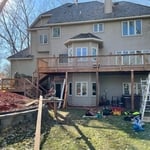
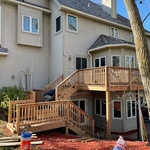
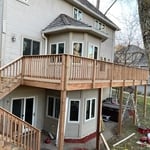
"I hired Donald to build a sundeck around my pool, that was in dire need of repair. Not only was he prompt and curtious, but he was very helpful and gave me suggestions that I hadn't thought of! Kudos to this company, and his attentive and helpful crew! Thank you Anointed Power!!!"
cleaning and trash out

+136

Recommended by70%of homeowners
Getrdone handyman
New to Angi
Plaster - InstallPlaster - Repair

Serving Lyons, NE and surrounding areas

Free estimates

Emergency services offered

Warranties offered

I've been in the industry off and on 10 years plus and what's the truck driver for 20 years nor the transportation industry and also worked at at Park there the maintenance repairing fabricating different things for different events and now I'm looking forward to go on my own to accommodate my family a little bit better

Response time3 hrs
Response rate100%
Plaster Repair questions, answered by experts

The cost to repair a ceiling after a water leak can vary, with averages ranging from $419 to $1,359, or $45 to $55 per square foot. Smaller patches may cost around $150. The final price depends on the size of the affected area and the extent of the damage. Remember that you will also need to repair the source of the leak, such as roof damage or a plumbing issue, which can cost an additional $200 to $1,550. Depending on the situation, you might also face costs for repainting or repairing floors. For an accurate estimate, it is best to get a quote from a professional.

Although they have similar applications, spackle and joint compound are not the same. Their primary differences lie in their composition, consistency, and ideal use cases.

Spackle is composed of gypsum and binding agents, making it thicker than joint compound. It dries quickly and is easy to sand, which makes it ideal for small wall repair projects like filling nail holes or patching minor damage.

Joint compound, also known as drywall mud, consists of limestone and gypsum. It is primarily used for large-scale projects, such as taping and finishing the seams on newly installed drywall. It tends to shrink more than spackle and can be more difficult to spread.

While both products can be used to fill small depressions and cracks, spackle cannot replace joint compound for taping and mudding new drywall. Conversely, you can often use joint compound for small patching jobs typically done with spackle.

Both plaster and drywall are durable wall finishes, but they differ significantly in installation, cost, performance, and aesthetics.

Installation & Cost: Drywall installation is faster and more affordable, typically costing $1.50 to $3 per square foot. It uses premade sheets, making it a more accessible DIY project. Plastering is a labor-intensive craft that requires specialized skills, pushing costs to $2 to $10 per square foot. It involves applying a wet paste over a lath framework.

Durability & Performance: Plaster is generally more durable, longer-lasting, and provides superior soundproofing. It is also a better insulator, which can help reduce energy costs. Drywall is easier to remove for future renovations.

Aesthetics: Drywall provides a smooth, uniform surface ready for paint or texture. Plaster offers a high-end, naturally textured look that can hide imperfections and is often preferred for achieving a classic or historic aesthetic.

Which is better? The choice depends on your priorities. Drywall is ideal for those prioritizing a lower upfront cost, faster installation, and DIY potential. Plaster is the better option for a higher-end project where durability, soundproofing, and a unique, premium finish are more important than the initial cost.

How long it takes to repair a ceiling depends on the extent of the damage. Patching a small hole might only take a few minutes, while repairing a water-damaged section of the ceiling could take hours. If there are structural issues, expect your ceiling repair to take several days or longer.

Generally, your homeowner’s insurance might only cover ceiling collapses caused by problems under the coverage, such as a busted pipe. But if the ceiling collapse resulted from owner negligence, maintenance issues, or other reasons excluded by your policy, you could be on your own. Some policies might cover damages caused by the collapse but not the repair itself. Check with your policy carrier for the most accurate information regarding ceiling collapse coverage.

The Lyons, NE homeowners’ guide to plaster repairs

From average costs to expert advice, get all the answers you need to get your job done.