





Get matched with top radon detection and reduction specialists in Fremont, NE
Top-rated radon detection and reduction specialists.

Need a pro for your radon detection and reduction project in Fremont, NE?

Select your specific project to find the pro for you.

Find Radon detection and reduction specialists in Fremont

Avatar for National Radon Defense Midwest
National Radon Defense Midwest
4.7(
51
)

Serving Fremont, NE and surrounding areas

Approved

In business since 2020

Free estimates

Warranties offered

"National Radon Defense Midwest employees were very knowledgeable and helpful. As we were selling our house we discovered that we had high radon readings and needed to mitigate the problem. They explained to us the process and clearly identified what they would recommend to resolve the issue. We thought it was very reasonably priced and feel confident intheir products, staff and installation"
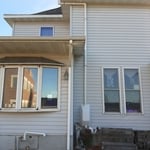
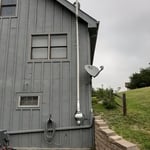
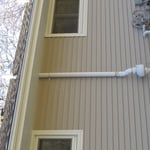
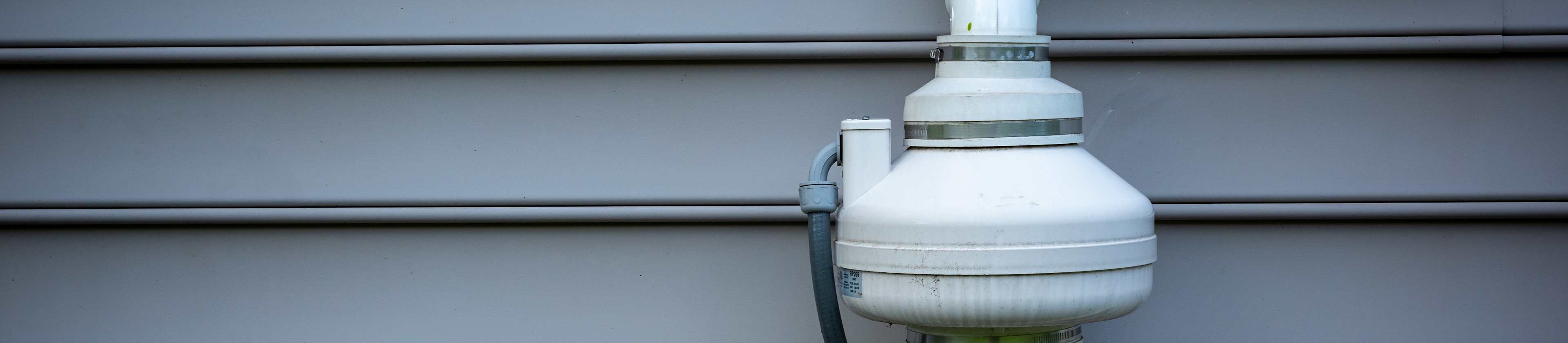
Exterior Exhaust Fan with Cover
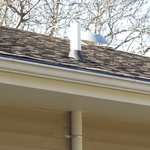
Exterior Exhaust Fan and Discharge
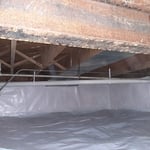
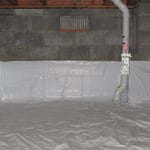
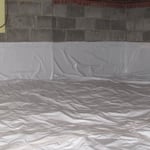
Crawlspace Encapsulation with Radon Mitigation
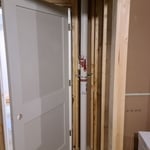
Cleverly Installed Extraction Point
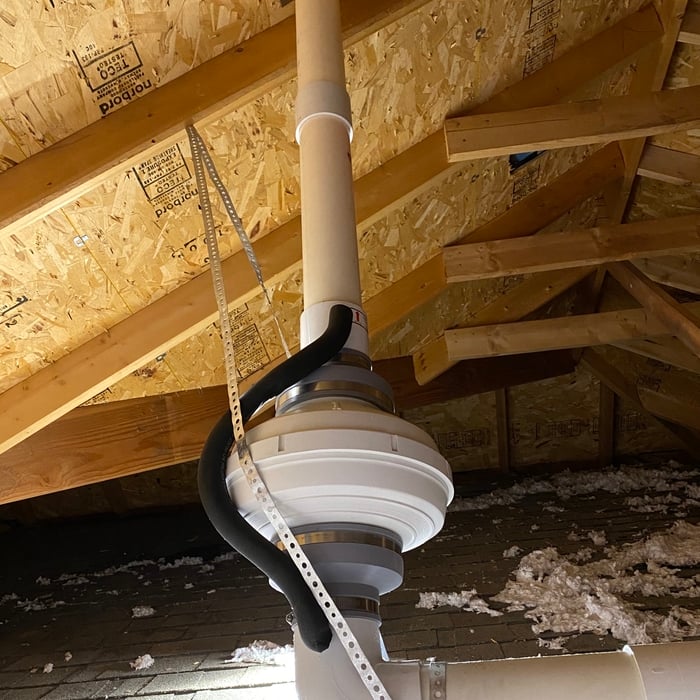
Interior Exhaust Fan

+15

Response time1 day
39 neighbors recently requested a quote
Recommended by96%of homeowners
Avatar for Element 86 Mitigation LLC
Element 86 Mitigation LLC
5.0(
1
)

Serving Fremont, NE and surrounding areas

Approved

In business since 2025

Free estimates

Credit card accepted

We pride our company on reliability, great communication, integrity, and quality work. We are experts in our trade and will do our best to keep you as educated as we can on your particular task or project. We look forward to earning your business!

Element 86 Mitigation LLC
Radon Detection and Reduction questions, answered by experts

No level of radon is technically safe, but since it is naturally present everywhere, it is impossible to avoid entirely. The average radon level in homes across the United States is 1.3 picocuries per liter (pCi/L). The Environmental Protection Agency (EPA) recommends taking action to reduce radon levels if your home's test results are between 2 and 4 pCi/L or higher.

Long-term exposure increases lung cancer risks. Prolonged homestay individuals and smokers encounter heightened vulnerability and exposure concerns.

Ideally, no one will live in a house with elevated radon levels, as prolonged exposure increases the risk of serious health issues like lung cancer. However, homes with radon can be made safe through mitigation systems, such as active soil depressurization. Testing for radon regularly and addressing high levels helps ensure a safe living environment.

Keeping radon from getting into your home is much better than having to get rid of it once it's already indoors. While there may not be a way to fully prevent radon from getting into your home, there are things you can do to reduce the gas's ability to enter. 

Sealing foundation cracks and openings can help keep the gas from seeping inside. Improving air flow, such as by opening windows, can also be helpful. If you're building your home from scratch, talk to your contractor about using radon-resistant construction to keep the gas out.

Radon is a cancer-causing radioactive gas that poses serious health risks, infiltrating homes through foundation cracks and unnoticed spaces.

The Fremont, NE homeowners’ guide to radon detection and reduction services

From average costs to expert advice, get all the answers you need to get your job done.