



Top-rated radon detection and reduction specialists.

Get matched with top radon detection and reduction specialists in Oakland, NE

Enter your zip and get matched with up to 5 pros

Need a pro for your radon detection and reduction project in Oakland, NE?

Select your specific project to find the pro for you.

Find Radon detection and reduction specialists in Oakland

Avatar for National Radon Defense Midwest
National Radon Defense Midwest
4.7(
51
)

Serving Oakland, NE and surrounding areas

Approved

In business since 2020

Free estimates

Warranties offered

"We needed to reduce the Radon in our basement. They were very patient, explained what they would do and how it would be done. The installed was VERY professional and knew the work that needed done. He was polite and efficient. He has done this work many years and completed the work. They guaranteed the Radon to be 4.0 and under."
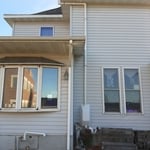
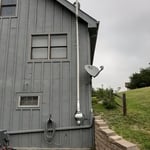
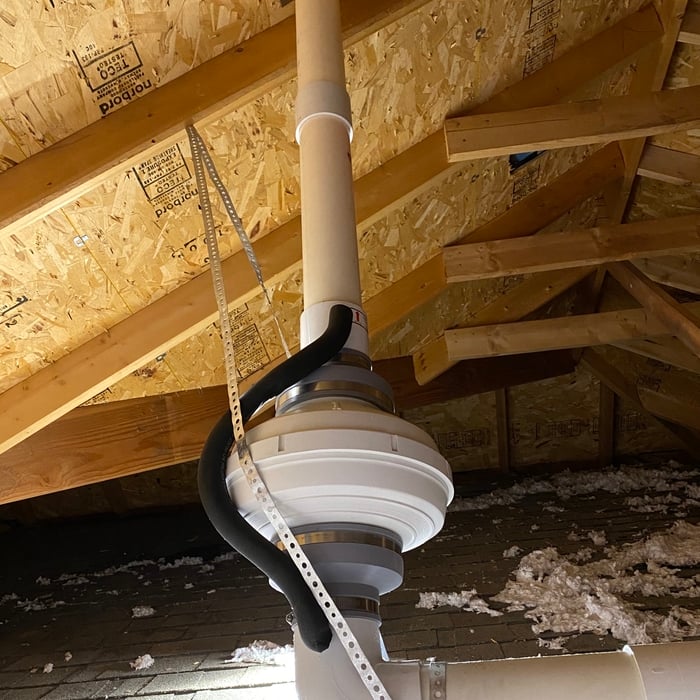
Exterior Exhaust Fan with Cover
Exterior Exhaust Fan and Discharge
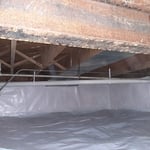
Crawlspace Encapsulation with Radon Mitigation
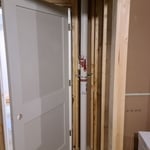
Cleverly Installed Extraction Point
Interior Exhaust Fan

+15

Response time1 day
40 neighbors recently requested a quote
Recommended by96%of homeowners

Radon Detection and Reduction questions, answered by experts

Your radon mitigation system may be loud because it’s time to replace it. Any sounds are usually from the inline fan that helps create the vacuum and resulting airflow. If you hear a new, loud mechanical or humming noise from your radon fan, it might be time to replace it. Most fans used in radon mitigation systems last up to 10 years, but may need to be replaced sooner.

While DIY testing is possible, abatement generally requires professional installation to ensure efficacy and meet safety standards.

Abatement includes sealing entry points and venting with systems that reduce radon levels below recommended EPA limits. It is handled by certified professionals.

The lifespan of a radon mitigation system depends on the type of system and its maintenance. With proper care, a system can last for many decades. Passive systems tend to last longer as they have fewer components that require replacement. Active systems, which have more moving parts like fans, generally have a shorter lifespan. For instance, water filtration devices and active pressurization systems require more frequent maintenance. While the system as a whole is durable, the radon fan in an active system typically has a lifespan of 5 to 10 years and will need to be replaced. As long as the fan is working, the mitigation system should function correctly.

Radon is a cancer-causing radioactive gas that poses serious health risks, infiltrating homes through foundation cracks and unnoticed spaces.

The Oakland, NE homeowners’ guide to radon detection and reduction services

From average costs to expert advice, get all the answers you need to get your job done.