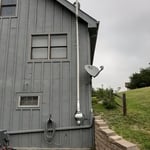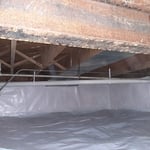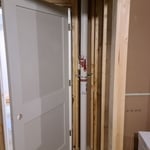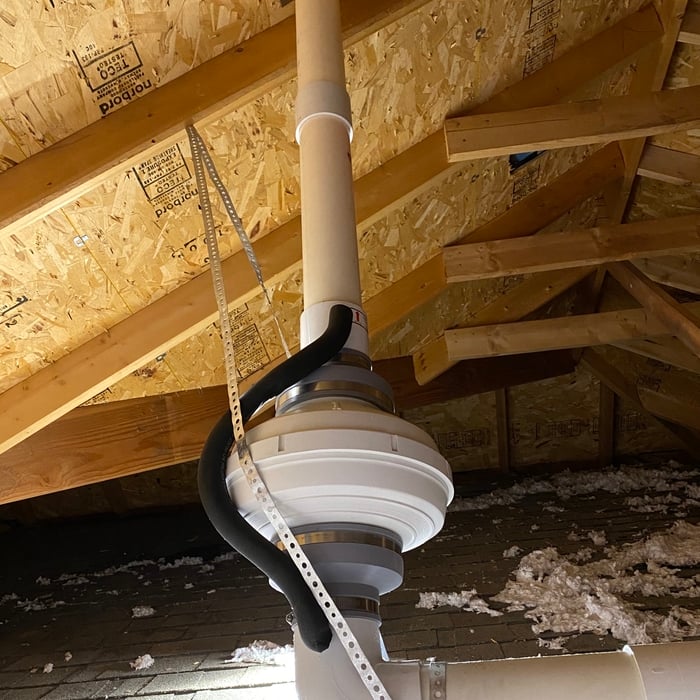

"I am reviewing before I have done the post mitigation test so I can't rate the entire process. I will say that at this point this company has exceeded expectation Everyone from the front office to the salesman to the installers have been very professional, informative, considerate and listened. Just keeping fingers crossed for this last test."
We pride our company on reliability, great communication, integrity, and quality work. We are experts in our trade and will do our best to keep you as educated as we can on your particular task or project. We look forward to earning your business!
At Environmental Services Inc, we take great pride in our experience, expertise, quality and customer service that we provide to meet the consumer's needs. It is our mission to provide excellent workmanship and complete customer satisfaction from start to completion of a project. In order to understand the needs and expectations of our customers, we take great care to work and communicate with every customer in a professional manner. Our reputation is based on service, safety and quality, regardless of how large or small the job.
Radon Detection and Reduction questions, answered by experts
If your home has a sump pit, you can integrate it with a radon mitigation system. You can accomplish this by sealing the pump cover with an airtight lid that accommodates radon vent pipes and sump pump hoses. This allows the vent pipe to redirect the radon gas outside of your home.
Use a radon test kit or hire professionals to conduct a detailed assessment of radon levels in your home.
Your radon mitigation system may be loud because it’s time to replace it. Any sounds are usually from the inline fan that helps create the vacuum and resulting airflow. If you hear a new, loud mechanical or humming noise from your radon fan, it might be time to replace it. Most fans used in radon mitigation systems last up to 10 years, but may need to be replaced sooner.
Testing every 2-5 years or upon adjusting occupancy or structural changes maintains safe environments.
No level of radon is technically safe, but since it is present everywhere, complete avoidance is impossible. The average radon level in homes across the United States is 1.3 picocuries per liter (pCi/L). The Environmental Protection Agency (EPA) recommends taking preventative measures if your home's radon levels are between 2 and 4 pCi/L or higher.
The Papillion, NE homeowners’ guide to radon detection and reduction services
From average costs to expert advice, get all the answers you need to get your job done.
Get clear answers on how much radon remediation costs, including average prices, key cost factors, and tips to save money on your home’s radon mitigation.
Find out what impacts radon testing costs, including average prices for DIY kits and professional services, so you can protect your home and budget confidently.
Radon is a gas that you can't see or smell and is harmful to your health. If your home has radon, you need to know who installs radon mitigation systems.