






Top-rated radon detection and reduction specialists.

Get matched with top radon detection and reduction specialists in Mead, NE

Enter your zip and get matched with up to 5 pros

Need a pro for your radon detection and reduction project in Mead, NE?

Select your specific project to find the pro for you.

Find Radon detection and reduction specialists in Mead

Avatar for National Radon Defense Midwest
National Radon Defense Midwest
4.7(
51
)

Serving Mead, NE and surrounding areas

Approved

In business since 2020

Free estimates

Warranties offered

"RADON SYSTEM WAS NOT WORKING. (Installed by another company years ago). The phone contact was pleasant and efficient. The Technician came on the agreed day and the agreed time: he explained what was wrong, explained the options, then repaired the system so it is working better than it did when first installed."
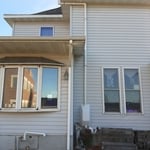
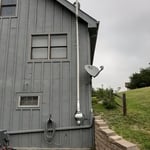
Exterior Exhaust Fan with Cover
Exterior Exhaust Fan and Discharge
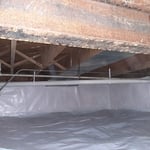
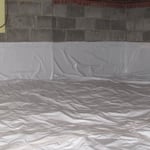
Crawlspace Encapsulation with Radon Mitigation
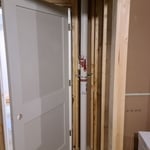
Cleverly Installed Extraction Point
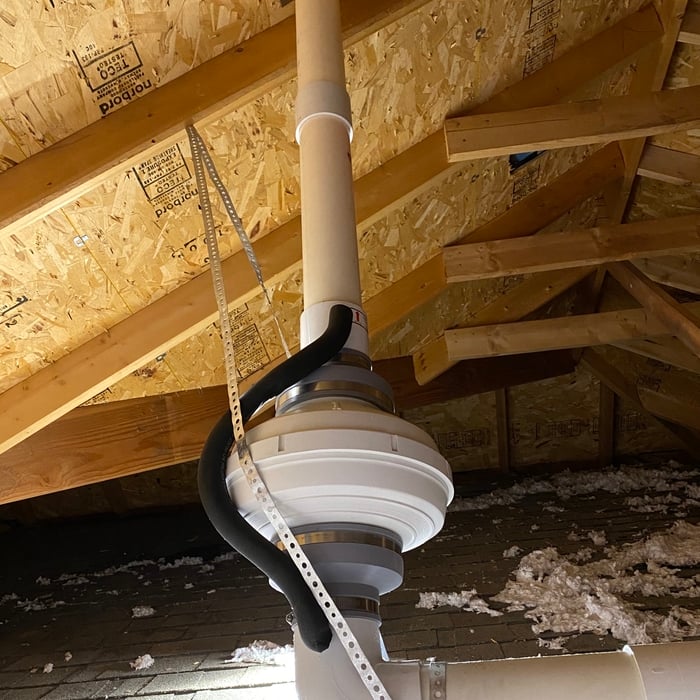
Interior Exhaust Fan

+15

Response time1 day
36 neighbors recently requested a quote
Recommended by96%of homeowners
Avatar for Element 86 Mitigation LLC
Element 86 Mitigation LLC
5.0(
1
)

Serving Mead, NE and surrounding areas

Approved

In business since 2025

Free estimates

Credit card accepted

We pride our company on reliability, great communication, integrity, and quality work. We are experts in our trade and will do our best to keep you as educated as we can on your particular task or project. We look forward to earning your business!

Element 86 Mitigation LLC
Avatar for WIN Home Inspection
WIN Home Inspection
4.9(
7
)

Serving Mead, NE and surrounding areas

In business since 2022

Free estimates

Warranties offered

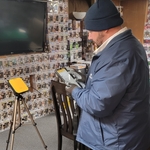
"Chad was thorough and professional doing the inspection of my house. The 3-D scan of every room of the house was very impressive. That would be something that would be very useful for selling."
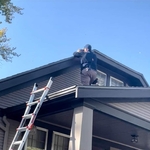
Roof Inspection
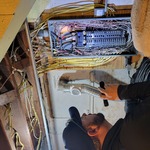
Electrical Inspection
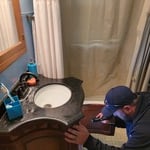
Plumbing Inspection
Radon Test
Response time2 days
Recommended by71%of homeowners
Radon Detection and Reduction questions, answered by experts

Radon is the number one non-smoking cause of lung cancer in the United States, but it can cause some other concerning side effects in the meantime. If you have a raspy voice, chest pains, trouble breathing, difficulty swallowing, or any of the above, don’t hesitate to perform radon testing and install a mitigation system as soon as possible.

Keeping radon from getting into your home is much better than having to get rid of it once it's already indoors. While there may not be a way to fully prevent radon from getting into your home, there are things you can do to reduce the gas's ability to enter. 

Sealing foundation cracks and openings can help keep the gas from seeping inside. Improving air flow, such as by opening windows, can also be helpful. If you're building your home from scratch, talk to your contractor about using radon-resistant construction to keep the gas out.

The natural breakdown of uranium in soil, rock, and water can cause radon to appear in a home. The gas seeps into homes through cracks in foundations, walls, or floors, as well as through gaps around pipes or construction joints. Radon levels are influenced by soil composition, building materials, and ventilation. Poorly sealed or airtight homes can trap radon, allowing it to accumulate.

No, air purifiers are not an effective way to reduce or remove radon. Radon is a radioactive, inert gas that cannot be filtered by standard air purifiers, which are designed to capture particulates like dust and mold. While an air purifier can improve indoor air quality by removing other pollutants, it should not be relied upon for radon. The only effective solution for high radon levels is a dedicated radon mitigation system.

The lifespan of a radon mitigation system depends on the type of system and its maintenance. With proper care, a system can last for many decades. Passive systems tend to last longer as they have fewer components that require replacement. Active systems, which have more moving parts like fans, generally have a shorter lifespan. For instance, water filtration devices and active pressurization systems require more frequent maintenance. While the system as a whole is durable, the radon fan in an active system typically has a lifespan of 5 to 10 years and will need to be replaced. As long as the fan is working, the mitigation system should function correctly.

The Mead, NE homeowners’ guide to radon detection and reduction services

From average costs to expert advice, get all the answers you need to get your job done.

What do you need done? We’ll find top pros.
  • 🌱 "Mow a small front yard"
  • 🛠 "Fix a leaking pipe under the sink"
  • 🏠 "Repair shingles on an asphalt roof"