"Quoting was fair and easy. There was a bit of a mix up between the quote and the person's doing the work, but was resolved fairly quickly the work was done just as quickly. Our concrete was raised noticeably and our issue resolved at the time of the work. They have a great warranty, which should be considered with every job in my opinion, it's a fair price for peace of mind! Would use again and have already pass along a referral!"
"Jacob D and Lenard S provided great service. Professional and friendly. Made sure I knew what was going on and answered questions. Treated my home and my family with respect and didn't damage anything, which not all contractors seem concerned about. I have some additional basement work that will need to be complete and I will definitely be using Innovative again."
Concrete Mudjacking questions, answered by experts
Concrete leveling is absolutely worth it if you have sunken concrete slabs and want to restore them to level, especially if the slab is part of your home foundation. Concrete leveling is less than half the price of replacing concrete sidewalks, patios, walkways, and pool decks, and it’s about a quarter of the cost of replacing a foundation. If you also treat the underlying problem, it can be a worthwhile and permanent solution.
Most projects take 1-3 hours, with immediate usability after completion.
A good slump height really depends on the project, but there is a use for nearly all slump levels. For example, low slumps are best in projects that require structure, such as curbs and roads. High slumps often require additional reinforcement, but they flow more freely into hard-to-reach spaces.
Mudjacking can be an expensive foundation repair process, but in many cases, it’s well worth the investment. This is especially true if you’re lifting a portion of sunken foundation slab back into place. In that case, mudjacking can help avoid major structural damage and even home collapse by restoring the integrity of your structure with minimally invasive procedures. Mudjacking a concrete patio, walkway, or sidewalk can be worthwhile because it removes tripping hazards and makes your outdoor area more aesthetically appealing.
Mudjacking typically takes 24 to 72 hours (one to three days) to dry and cure completely before you can resume normal use. The total drying time can vary depending on the size of the project. Because the slurry mixture contains cement, it needs to harden fully to prevent the concrete slab from shifting under added weight. You should avoid walking on the concrete or placing heavy items like furniture or vehicles on the surface until it has fully set. Your concrete contractor can provide a precise timeline. As a point of comparison, if you opt for polyjacking, the polyurethane foam can dry in minutes, but it's recommended to wait about an hour before use.
The Walhalla, ND homeowners’ guide to concrete mudjacking services
From average costs to expert advice, get all the answers you need to get your job done.
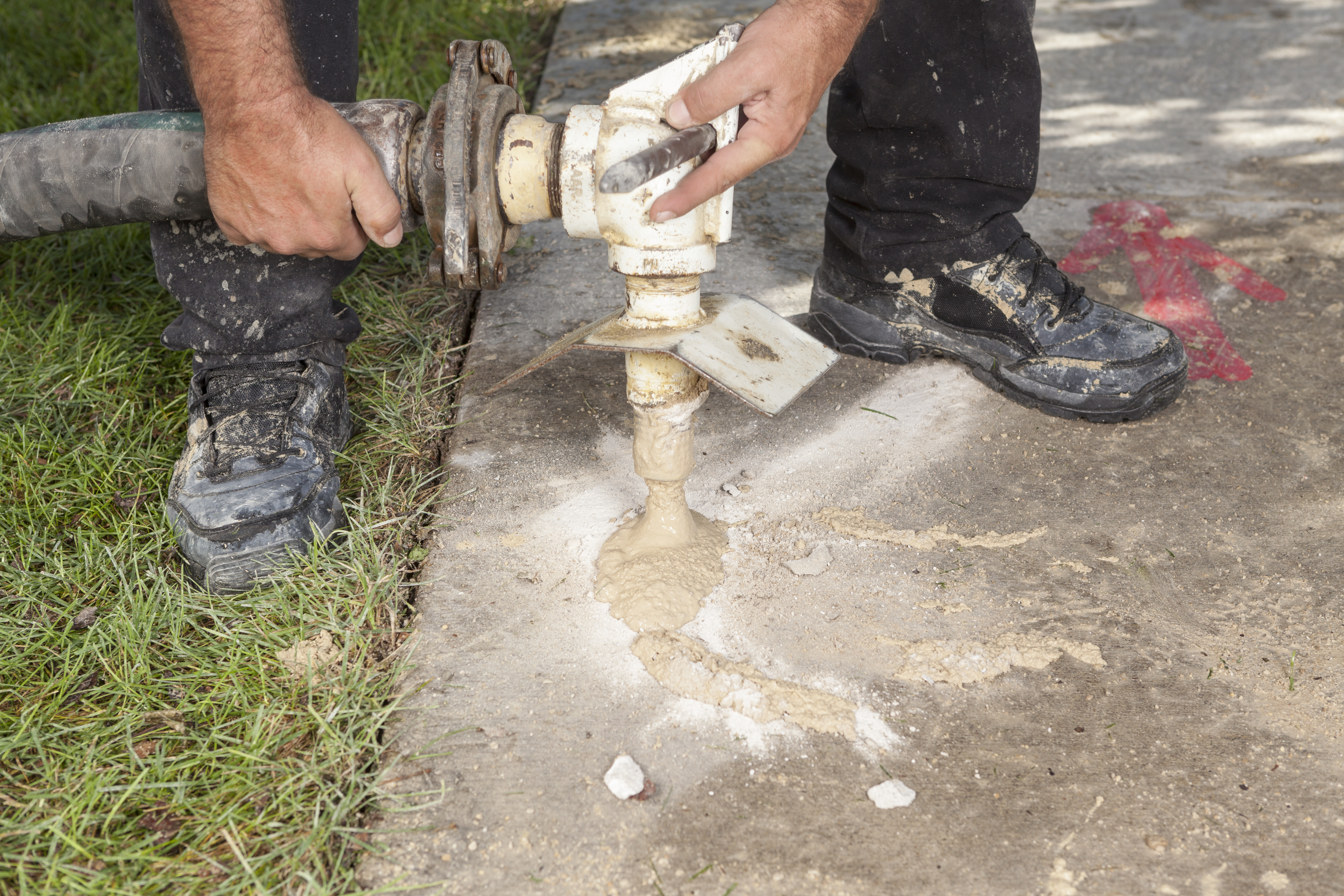
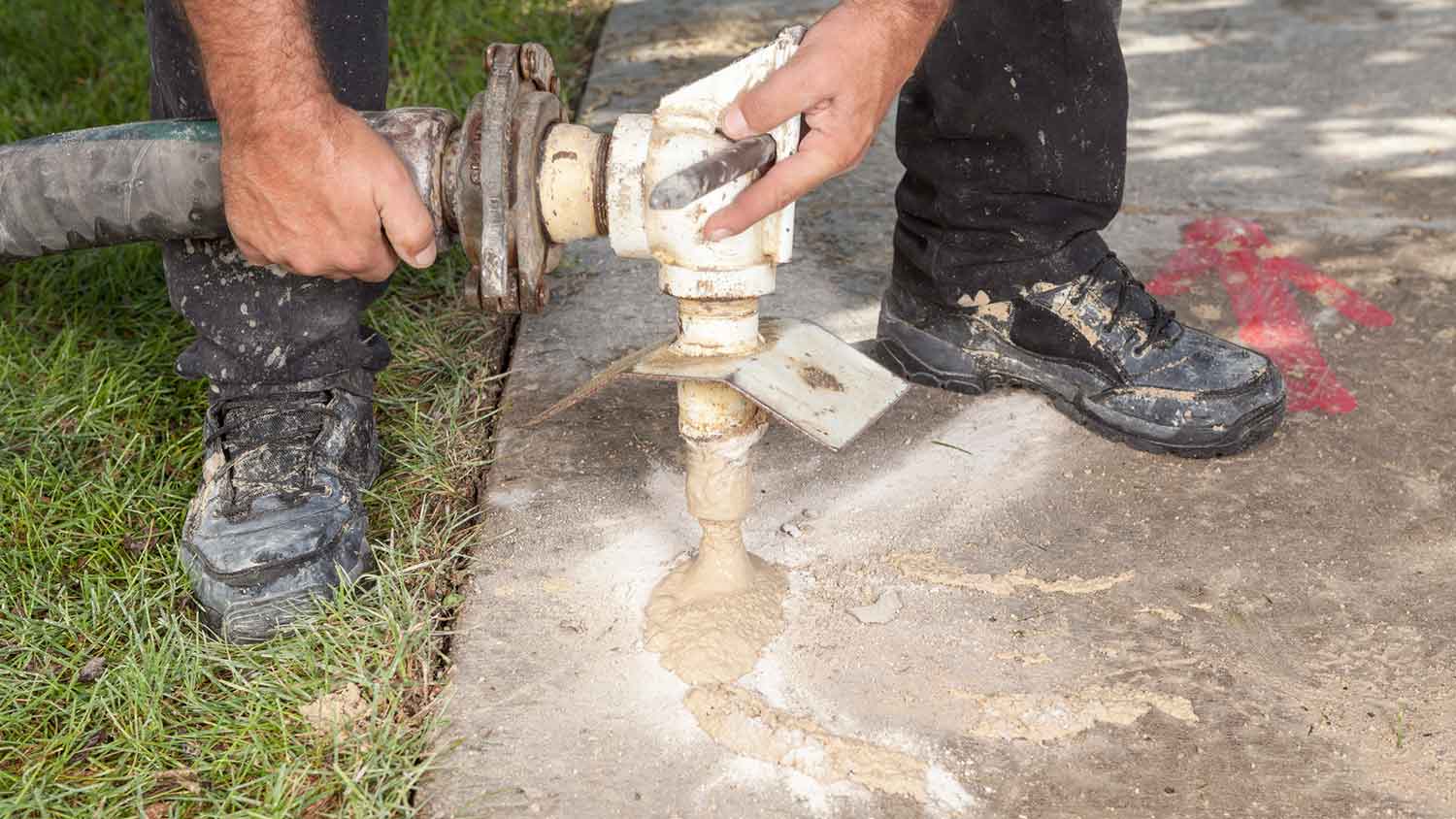
DIY mudjacking is an advanced task, but learning how to raise a concrete slab is great to know for many scenarios. Let's take a look at how to DIY mudjack.