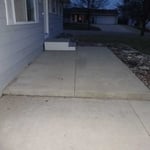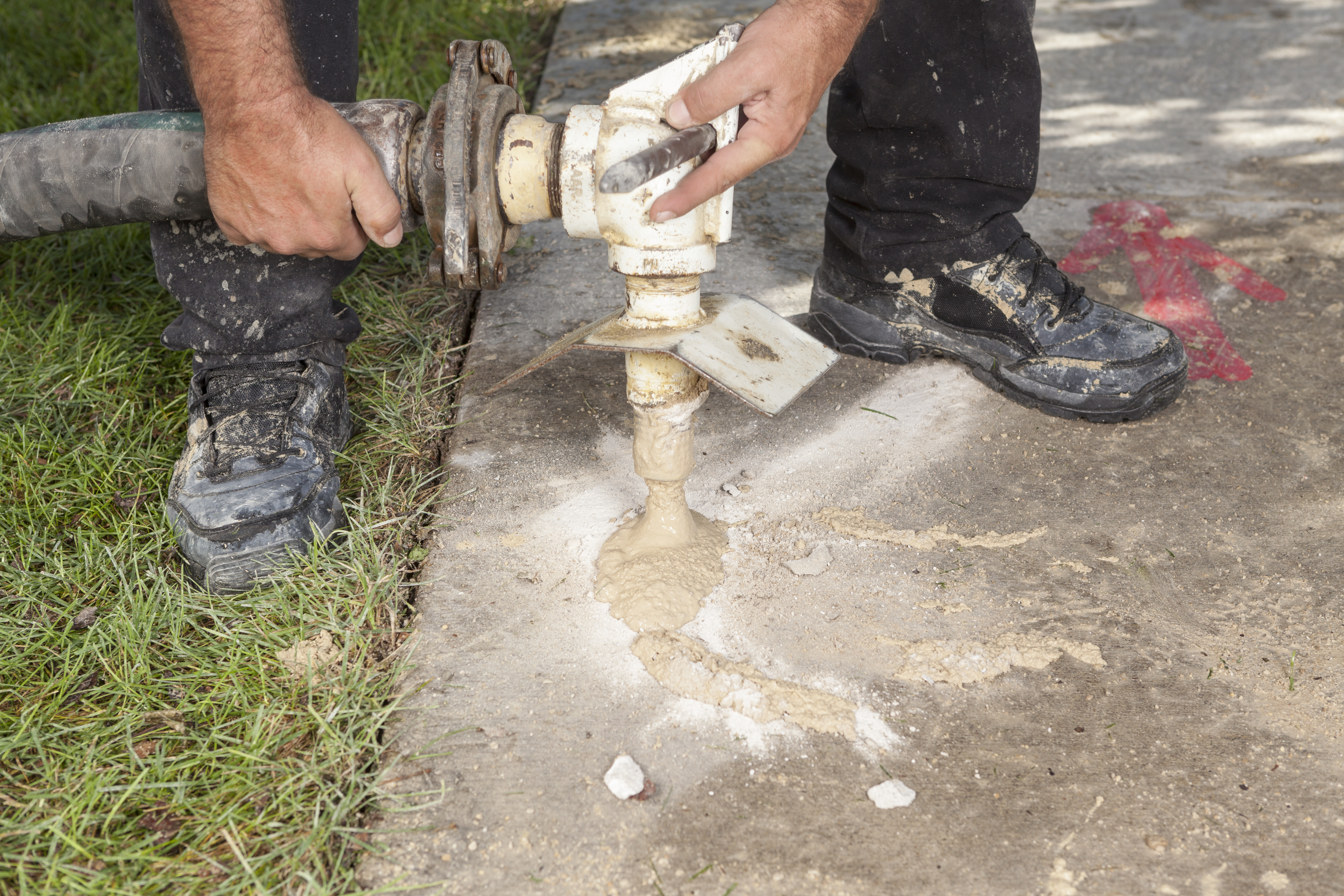
"Quoting was fair and easy. There was a bit of a mix up between the quote and the person's doing the work, but was resolved fairly quickly the work was done just as quickly. Our concrete was raised noticeably and our issue resolved at the time of the work. They have a great warranty, which should be considered with every job in my opinion, it's a fair price for peace of mind! Would use again and have already pass along a referral!"
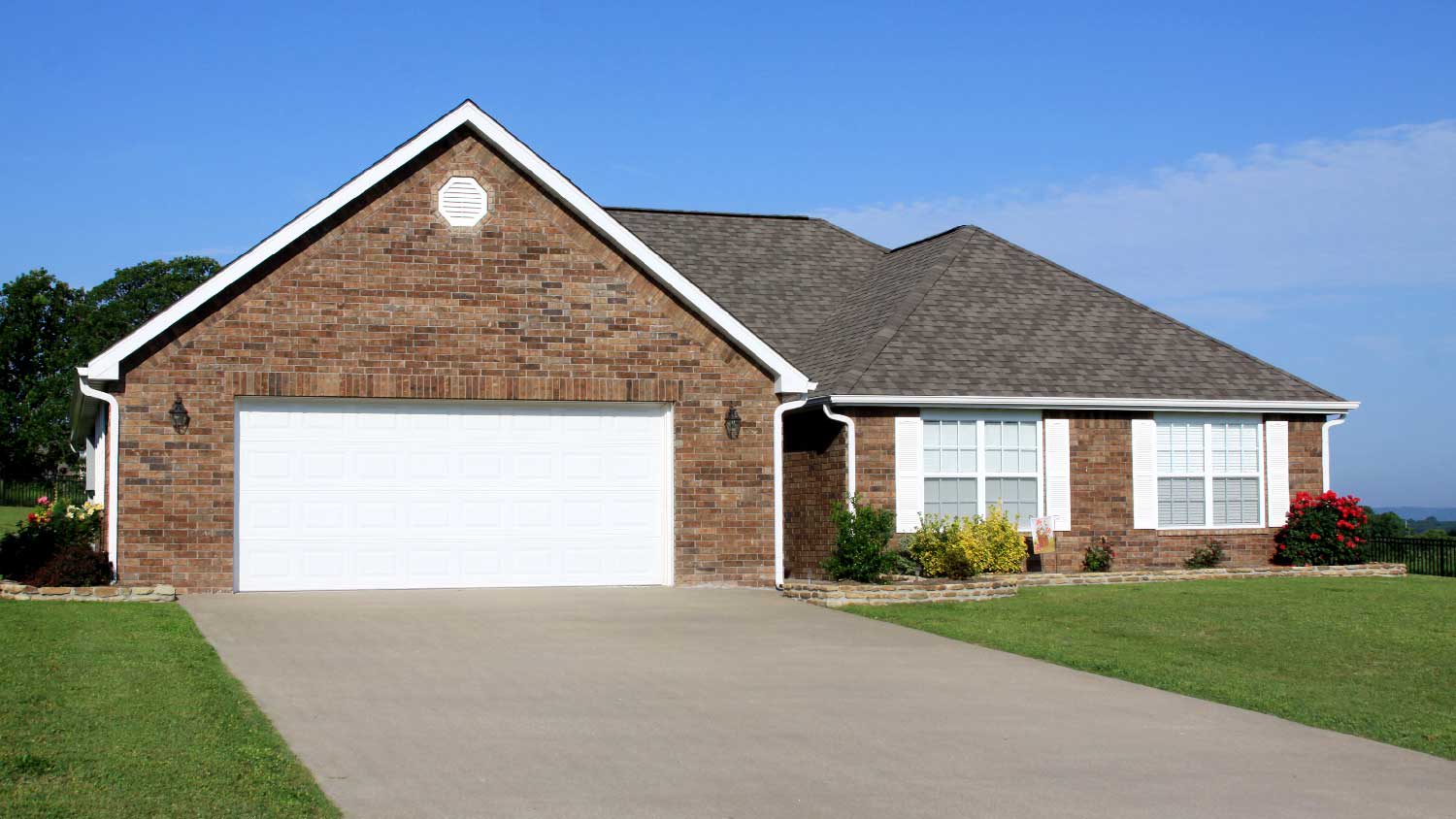
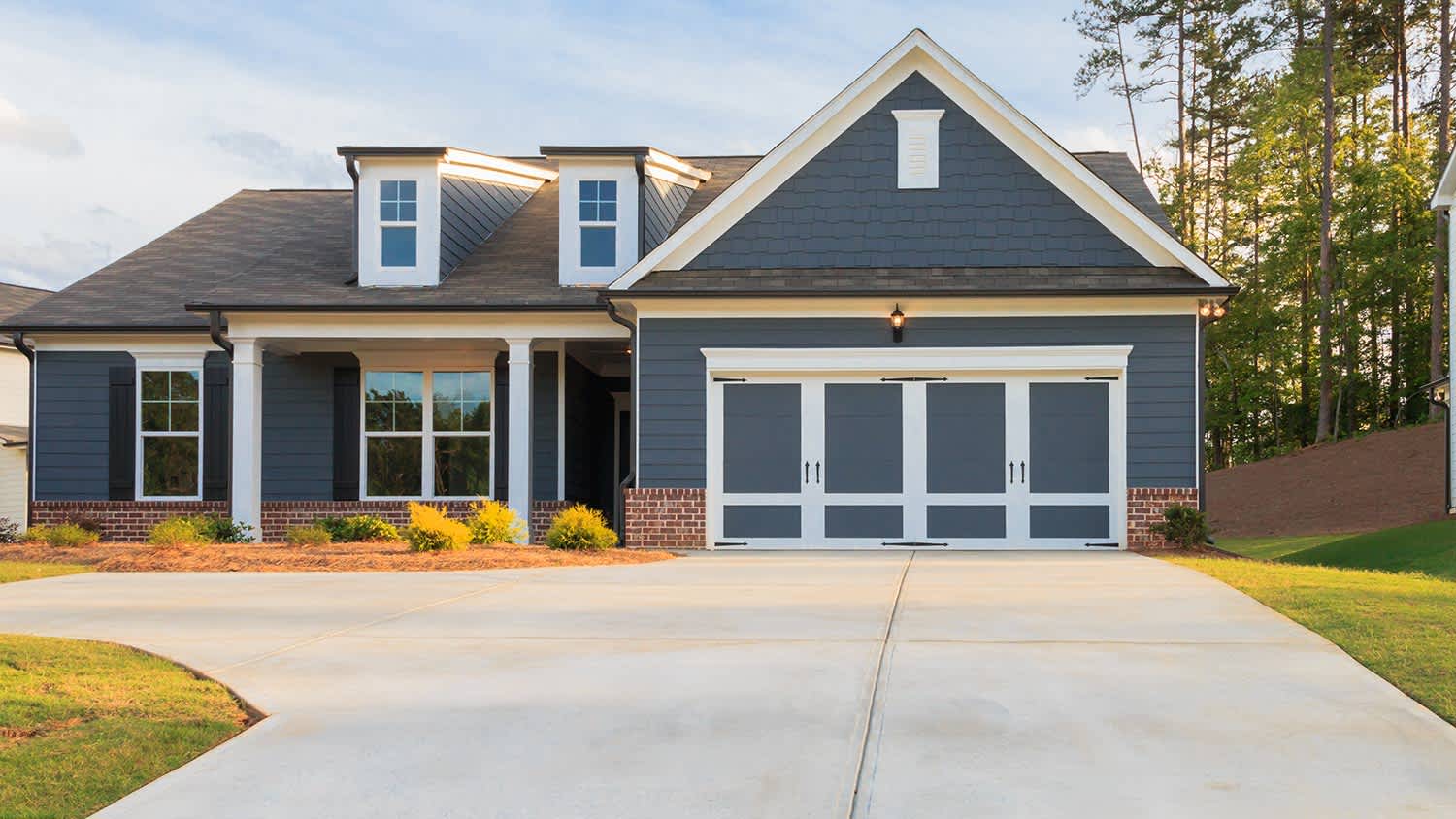
"Our project was to lift and balance a garage floor and long driveway using foam. Marc, Ben and Andrew showed up on time, did a thorough job, explaining the process every inch of the way. They did what was contracted for plus a bit. The cleanup was everything I could have asked for. We were told exactly what possible problems to watch for and what to do about them. A very good experience and a good warranty."
Concrete Mudjacking questions, answered by experts
Polyjacking can be a permanent solution to sunken concrete if you also address the underlying issue—like poor drainage—at the same time. The polyurethane material itself can last as long as or even outlast the concrete you’re lifting it with. Your sunken concrete issue will likely return if you don’t couple polyjacking with proper drainage to prevent future soil movement and sinking.
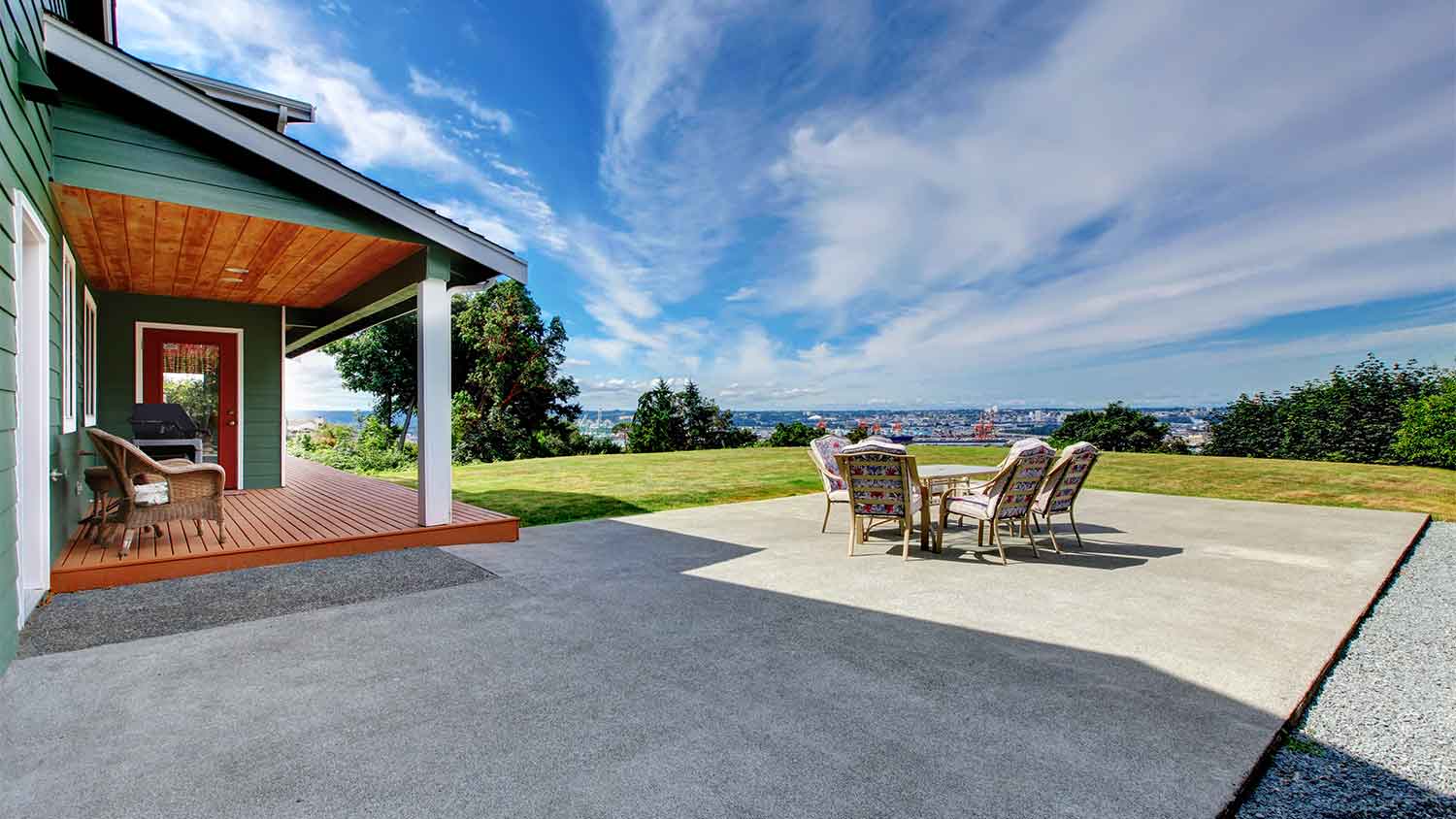
Common issues with concrete that may require professional repair or resurfacing include cracks, spalling, uneven surfaces, and weather damage.
Charges correlate with surface size, settlement depth, and access, often yielding significant savings over concrete replacement.
There is no real alternative to underpinning, although mudjacking and polyjacking are other repair methods that can add support from underneath your foundation. Rather than placing supportive piers under your structure, these involve pumping a material under your slab to lift a sunken section back into its original position. Polyjacking, in particular, is sometimes a suitable solution for stabilization issues under slab foundations, but underpinning is often accepted as the best and most permanent solution.
It’s best not to perform mudjacking in the winter unless the ground temperature remains above freezing. Freezing temperatures can cause the slurry to harden too quickly, compromising its strength and longevity. Concrete is also more susceptible to cracking and splitting in cold temperatures, so there’s a higher risk of damaging the slab during the drilling and lifting process in winter.
The Karlstad, MN homeowners’ guide to concrete mudjacking services
From average costs to expert advice, get all the answers you need to get your job done.
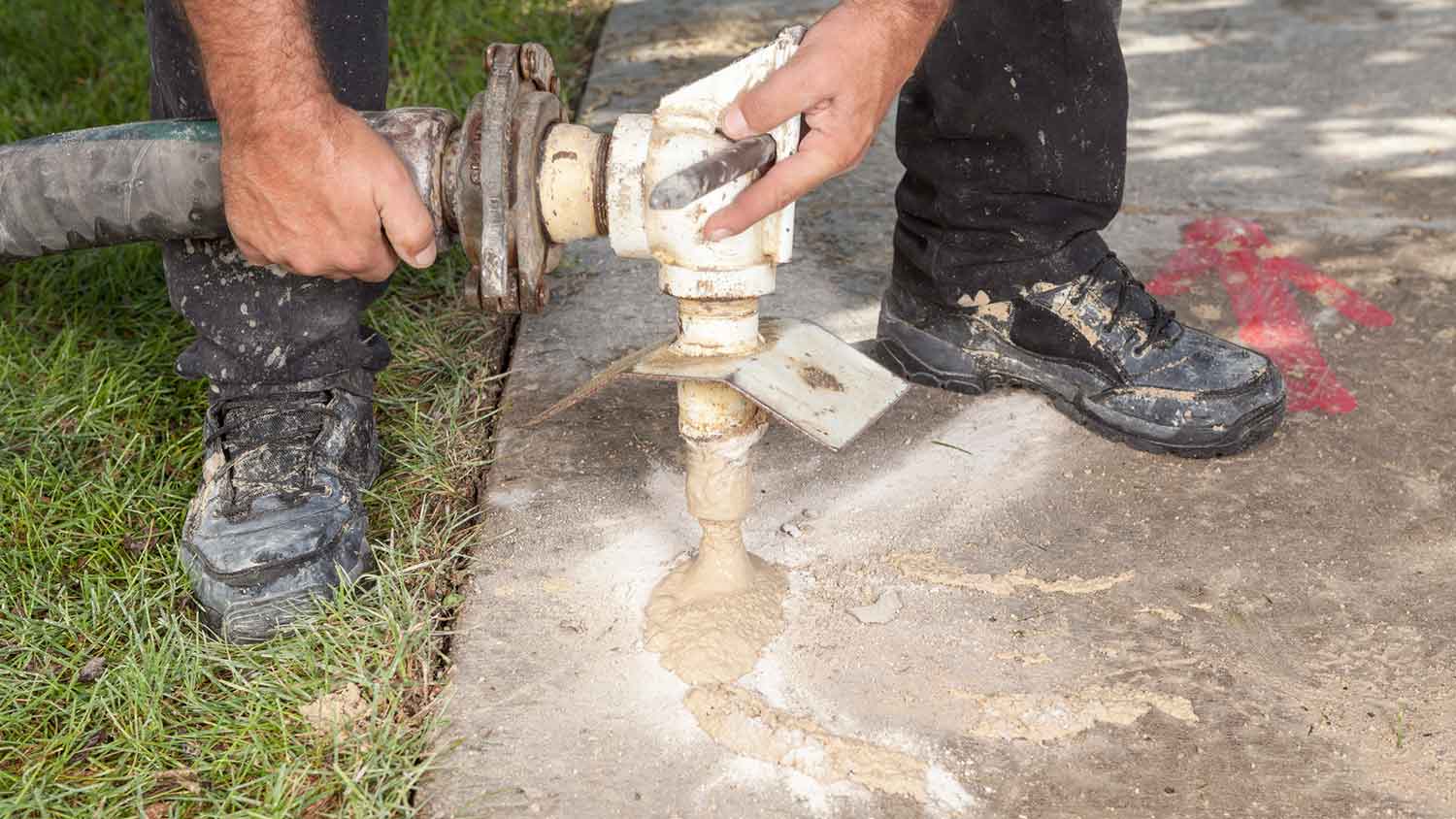
DIY mudjacking is an advanced task, but learning how to raise a concrete slab is great to know for many scenarios. Let's take a look at how to DIY mudjack.
Sunken concrete can be a structural issue, but a professional can easily repair it. Ask these concrete injection leveling and mudjacking questions before you hire.