

Whether you’re planning on putting in a concrete driveway, patio, or staircase, use this concrete delivery cost guide to get an accurate estimate.
Concrete leveling costs depend on your project and location. Check with a local pro for your specific job.

Polyurethane concrete lifting costs a national average of $3,000 to lift a 300-square-foot section of concrete back into place.
You can expect to pay between $1,500 and $4,500 per square foot of concrete you need to be lifted.
You could pay as little as $500 to lift a small concrete slab that's fully exposed, like a sidewalk, back to its original position, or as much as $12,500 to lift a structural slab that's larger and more challenging to access.
In 2026, the national average cost for polyurethane concrete lifting is $3,000 to raise a 300-square-foot concrete section. Most homeowners pay between $1,500 and $4,500, with total costs driven by slab size, accessibility, and the complexity of the lift.
A few key factors can affect the price you'll pay for polyurethane concrete lifting, also called polyjacking. Be sure to consider all of the following to get an accurate estimate, or reach out to a pro for a total concrete leveling cost.
Polyjacking costs an average of $15 per square foot, with prices ranging from $5 to $25 per square foot depending on the slab. Most contractors charge by the square foot, making slab size the single biggest driver of your total project cost. The table below breaks down polyurethane concrete lifting costs based on slab size:
| Slab Size (Sq. Ft.) | Average Cost in 2026 | Cost Range in 2026 |
|---|---|---|
| 10 | $150 | $100–$250 |
| 25 | $375 | $125–$625 |
| 50 | $750 | $250–$1,250 |
| 100 | $1,500 | $500–$2,500 |
| 250 | $3,750 | $1,250–$6,250 |
| 500 | $7,500 | $2,500–$12,500 |
Site accessibility and structural importance drive polyjacking costs, ranging from $5 per square foot for basic sidewalks to $25 per square foot for complex foundations. Accessing enclosed or load-bearing slabs requires extra labor and risk management, meaning a tiny 100-sq-ft foundation lift often costs more than a 500-sq-ft outdoor patio lift.
The table below breaks down polyurethane concrete lifting costs based on concrete location:
| Concrete Location | Cost per Sq. Ft. in 2026 |
|---|---|
| Basement floor | $20 |
| Patio | $10 |
| Pool deck | $10 |
| Sidewalk | $5 |
| Slab foundation | $25 |
The average labor cost to lift a 300-square-foot section of concrete ranges from $2,100 to $2,400. This covers the site assessment, evaluating how the foam will interact with the surrounding soil and concrete, drilling access holes through the slab, and pumping polyurethane foam beneath the slab. Labor accounts for 70% to 80% of the total cost of polyurethane concrete lifting, making it the dominant line item in any polyjacking estimate.

Polyjacking requires drilling large holes through your concrete slab, so finishing work is a necessary part of every job to fill those holes, eliminate trip hazards, and restore the surface. For sidewalks, patios, and pool decks, finishing is typically straightforward—pumping concrete into the holes and smoothing the surface to match the surrounding slab. If you are polyjacking a foundation slab or one beneath a finished basement floor, pros may add $100 to $400 to your total to reinstall hardwood, vinyl planks, or tile after the lifting is complete.
Polyurethane concrete lifting is a more permanent solution to sinking concrete than mudjacking or sandjacking, but depending on your situation, there are some ongoing costs to plan for. The most common post-repair expenses involve surface crack repairs and routine structural inspections. Knowing what to budget for after the initial lift helps you avoid unexpected costs down the road.
Polyjacking creates a new base of support under your slab, but some settling can occur after the lift, and hairline cracks may develop in response to the movement. Sealing surface cracks in a concrete slab costs between $75 and $200, though you could spend as little as $15 by doing the work yourself. Budget for minor crack sealing within the first few months of the initial repair to keep the slab in good condition.
If your pro is lifting a structural slab, such as a portion of your home's foundation, routine foundation inspection costs are an important ongoing expense to plan for. A foundation inspection costs $600 on average and helps confirm there is no additional movement or structural instability after the repair. Schedule one inspection a year after the lift, then once every two to three years after that to catch any developing issues early.
Here is a summary of common ongoing and related costs to plan for after a polyjacking project:
| Surface Repair Type | Cost Range in 2026 |
|---|---|
| Crack sealing | $75–$200 |
| DIY crack sealing | $15 |
| Foundation inspection | $600 |
| Gutter system installation | $625–$1,700 |
| Gutter repair | $200–$650 |
| Sinkhole filling | $10,000–$100,000 |
| French drain installation | $500–$18,000 |
Polyurethane concrete lifting is not a DIY-friendly project—in most areas, homeowners cannot even rent the necessary equipment, making professional help the only practical option. Hiring a concrete mudjacking company near you is the right move for any sinking concrete situation. These pros charge about $2,100 to $2,400 for the average concrete lifting job, and their specialized tools, knowledge, and experience make them well worth the investment.
There are several great reasons to hire an expert for polyurethane concrete lifting, including:
Ensuring the job is completed safely and efficiently
Ensure proper use of the expanding polyurethane foam, avoiding further damage
Help leveling concrete throughout your property, including patios, foundations, and walkways
Easily add surface repairs to the job for reduced costs
Get permanent solutions to sinking concrete
Polyurethane concrete lifting is rarely a standalone service—sinking concrete almost always points to an underlying issue that also needs to be addressed. Hire a professional to identify the root cause and budget for the appropriate fix alongside the lift itself. Common related costs to consider include:
| Add-On | Cost Range in 2026 |
|---|---|
| Gutter system installation | $625–$1,700 |
| Gutter repair | $200–$650 |
| Sinkhole filling | $10,000–$100,000 |
| French drain installation | $500–$18,000 |
Polyjacking can quickly become an expensive repair, but there are a few things you can do to save in the process.
Handle the buildback yourself: Part of the cost of polyjacking includes refinishing the surface. Whether that means filling in holes in a sidewalk with concrete and smoothing the surface or replacing flooring over a foundation slab, doing the work yourself can save some money on the buildback.
Consider if mudjacking is an option: Polyjacking costs between $5 and $25 per square foot, but you could pay between $3 and $8 per square foot if mudjacking is an option. Mudjacking doesn't last as long, but it's far more affordable, so speak with a professional to see if your slab and soil conditions would allow for mudjacking as an alternative concrete repair option.
Fix the underlying issue: Unless you fix the core problem, your concrete slab is likely just going to sink again. You'll pay more up front to lift your concrete and address the underlying issue, but you'll avoid ongoing repair costs over time.
Measure the size of your sunken area to ensure an accurate estimate
Ask what your pro charges for raising less accessible areas, such as crawlspace floors and foundations
Find out if your pro offers discounts on finishing services after the lifting is complete
Consider asking your pro to perform a foundation inspection during the repairs
Consider bundling additional services like drain or drain installation
Home is the most important place on earth, which is why Angi has helped more than 150 million homeowners transform their houses into homes they adore. To help homeowners with their next project, Angi provides readers with the most accurate cost data and upholds strict editorial standards. We extensively research project costs to develop the pricing data you see, so you can make the best decisions for you and your home. We rely on reputable sources, including the U.S. Bureau of Labor Statistics, academic journals, market studies, and interviews with industry experts—all to ensure our prices reflect real-world projects.
Want to help us improve our cost data? Send us a recent project quote to [email protected]. Quotes and personal information will not be shared publicly.
I highly recommend KTM construction! I will look no where else for anything that needs to be done, in or out side of our property. The level of craftsmanship is 5 star service across the board! The level of detail, knowledge and professionalism is 5 star service across the board! Ken is a...
 KTM Construction, LLC
We recently had our office sidewalk repaired and CT Concrete did an "Outstanding" job. They were quick, friendly and the job is "flawless". I would highly recommend CT Concrete for any of your concrete/sidewalk needs.
My painting job was a tricky one, with 18' walls and large ducts to work around near the top, in a downtown condo with its associated parking and unloading challenges. Brad and his crew did a great job in a short amount of time. My walls look great, with even paint and clean lines,...
Very pleased with the service and level of professionalism. Courteous and very unobtrusive in performing service. Unlike several other companies, Bradford Xteriors was willing to perform work on a three story home with a clay tile roof. <br />
 Bradford Xteriors
A team of 3 technicians arrived on time, on the day of installation. They took the time to cover all the flooring from the bottom level to the 3rd floor, where the new install was. The team worked all day and completed the job by 5:00. They had all the necessary paperwork, including...
 CARE Heating & Cooling Inc
Mark did an excellent job. He was professional, hard working and detail oriented. The work required a lot of expertise as it is an old building with uneven floors and odd shapes. He removed all the old floor trim, leveled the floor and installed new trim. I felt very confident in his...
Americoat did an amazing job with the tear out of the sidewalk and kept the area very clean. The concrete team showed up right on time and pour the sidewalk. The drive was sealed a few days later and looks great. <br />
 AmeriCoat Asphalt & Concrete
All around they have done a really great job. <br /> I have used JL Landscapes for the past 8 years. I own and operate my own commercial/residential real estate company where we own, operate, and maintain our own properties. JL Landscapes has been our exclusive landscaper for both our...
 J.L. Landscapes
We had a great experience with Mark Rodgers Construction. We were in the process of seeking out estimates for possible foundation work for our front porch. Mark came out himself to provide the estimate. Turned out that the company deals mainly with concrete, so we wouldn't be getting an...
 Mark Rodgers Construction
We first had Mark fix the back patio and liked his work so much we had him make a brick patio on the side of the house. When we decided to change our concrete walkway to brick, we wanted Mark to do the job because his prices were fair and he did such good work on t he other two projects.
 Mark Monnette Masonry
From average costs to expert advice, get all the answers you need to get your job done.
Whether you’re planning on putting in a concrete driveway, patio, or staircase, use this concrete delivery cost guide to get an accurate estimate.
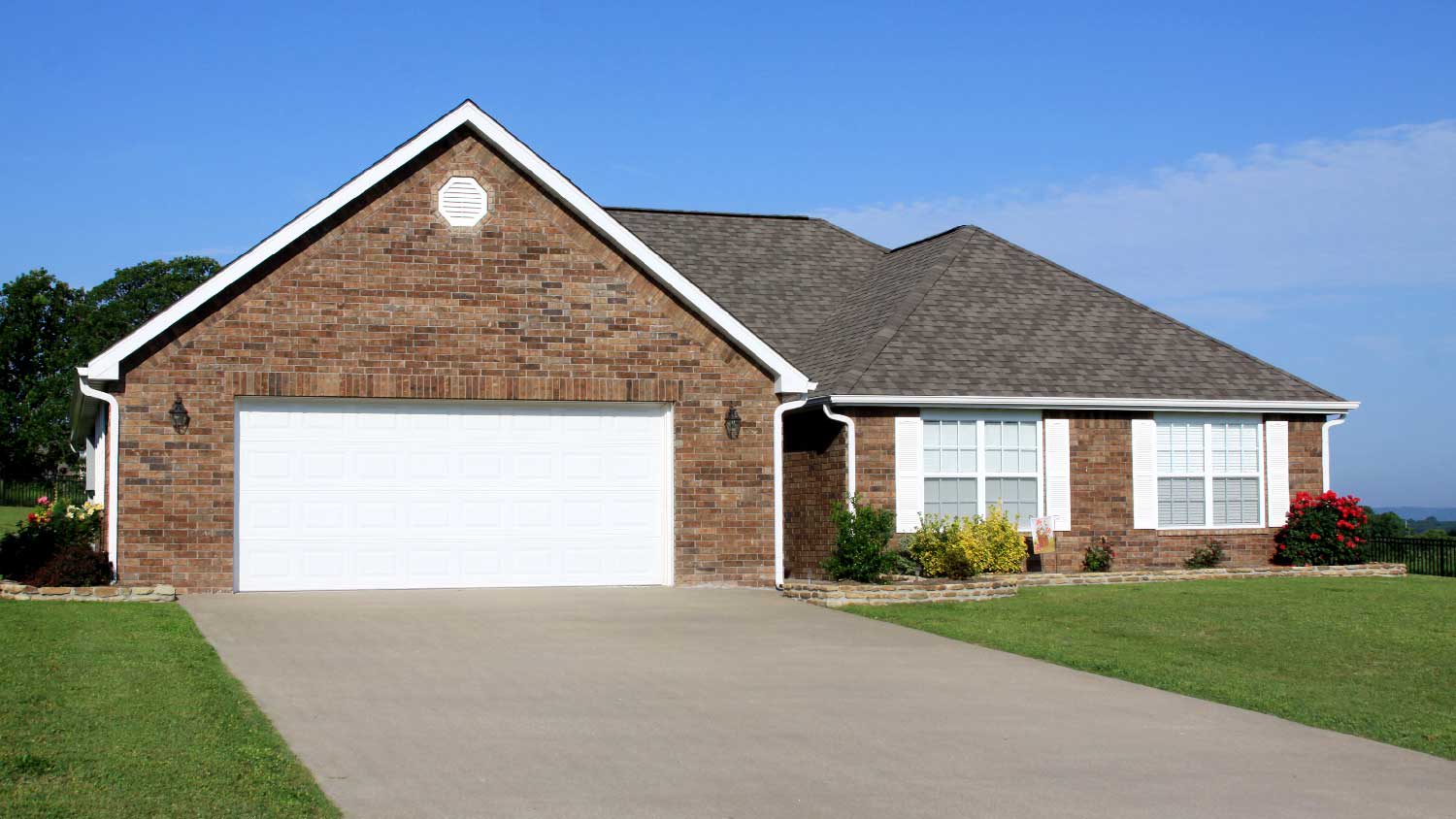
Don’t let sinking concrete capsize your budget. Learn about concrete leveling costs and the available methods to plan ahead for your project.
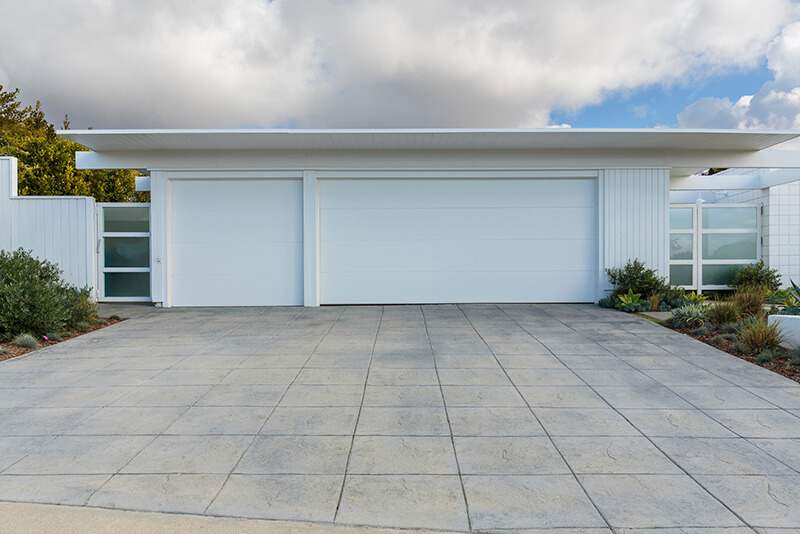
Concrete is a durable material but needs maintenance every few years. Use this concrete resurfacing cost guide to get an idea of ongoing maintenance costs.

Uneven concrete can be a safety hazard or cause structural damage. Learn the difference between mudjacking vs. polyjacking for concrete repair.
Getting rid of old concrete can be challenging, but you can tackle it with the right tools and methods. Learn how to break up concrete and remove it.
Time to get rid of that old chipped and crumbling walkway? Concrete removal costs can add up, but you have options to simplify the process. Learn more here.