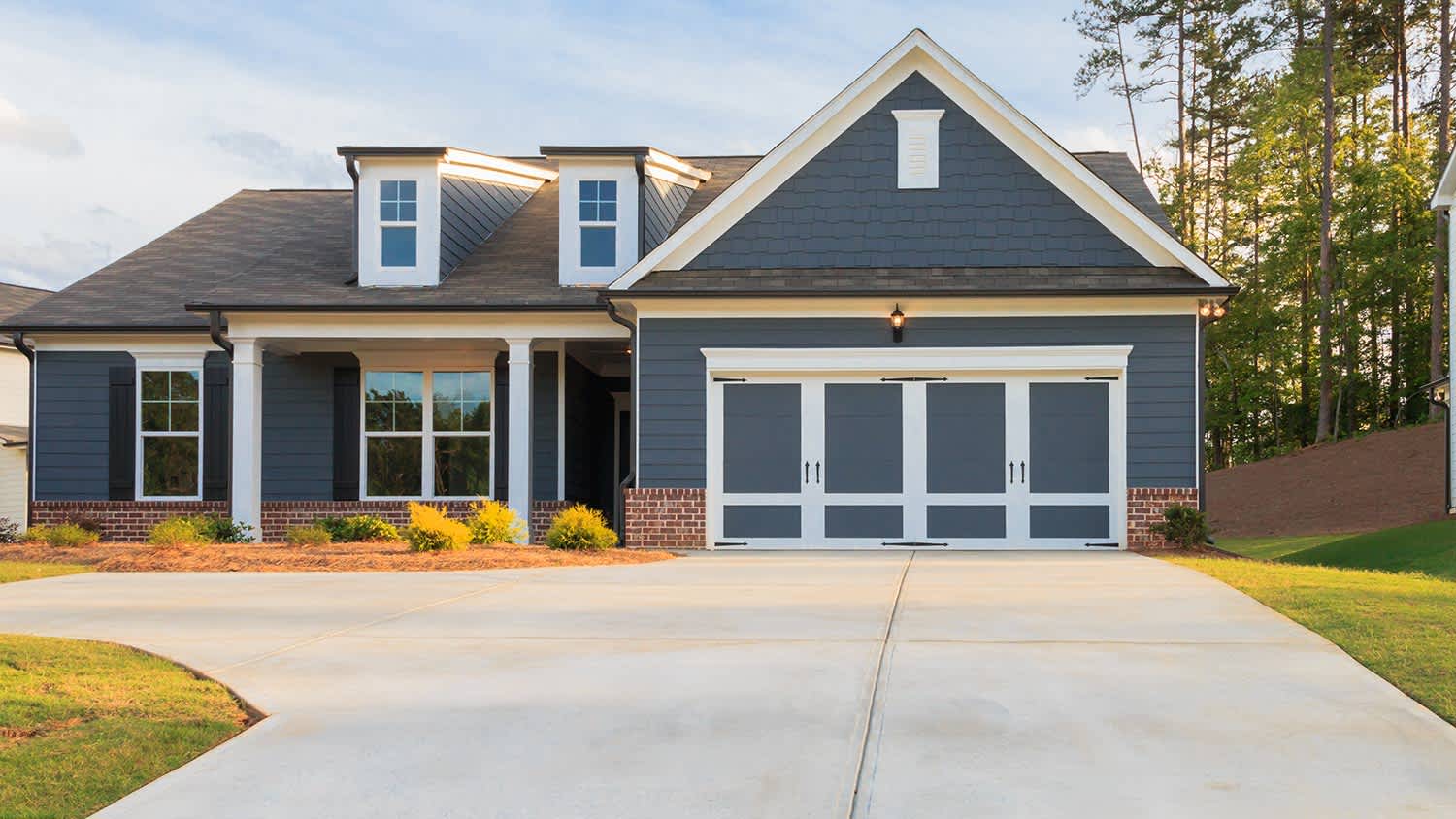
"Quoting was fair and easy. There was a bit of a mix up between the quote and the person's doing the work, but was resolved fairly quickly the work was done just as quickly. Our concrete was raised noticeably and our issue resolved at the time of the work. They have a great warranty, which should be considered with every job in my opinion, it's a fair price for peace of mind! Would use again and have already pass along a referral!"
"Jacob D and Lenard S provided great service. Professional and friendly. Made sure I knew what was going on and answered questions. Treated my home and my family with respect and didn't damage anything, which not all contractors seem concerned about. I have some additional basement work that will need to be complete and I will definitely be using Innovative again."
Concrete Mudjacking questions, answered by experts
Yes, expanding foam (also known as polyurethane foam) can lift concrete. This approach, called polyjacking, involves injecting the foam rather than concrete slurry to fill voids and raise the concrete slab back into place. It’s often faster and requires smaller drill holes than traditional mudjacking, though it may come at a higher cost. Some contractors also prefer polyjacking over mudjacking for more damaged and delicate slabs.
Common issues with concrete that may require professional repair or resurfacing include cracks, spalling, uneven surfaces, and weather damage.
Address drainage issues, avoid heavy loads, and seal cracks to prevent future settling.
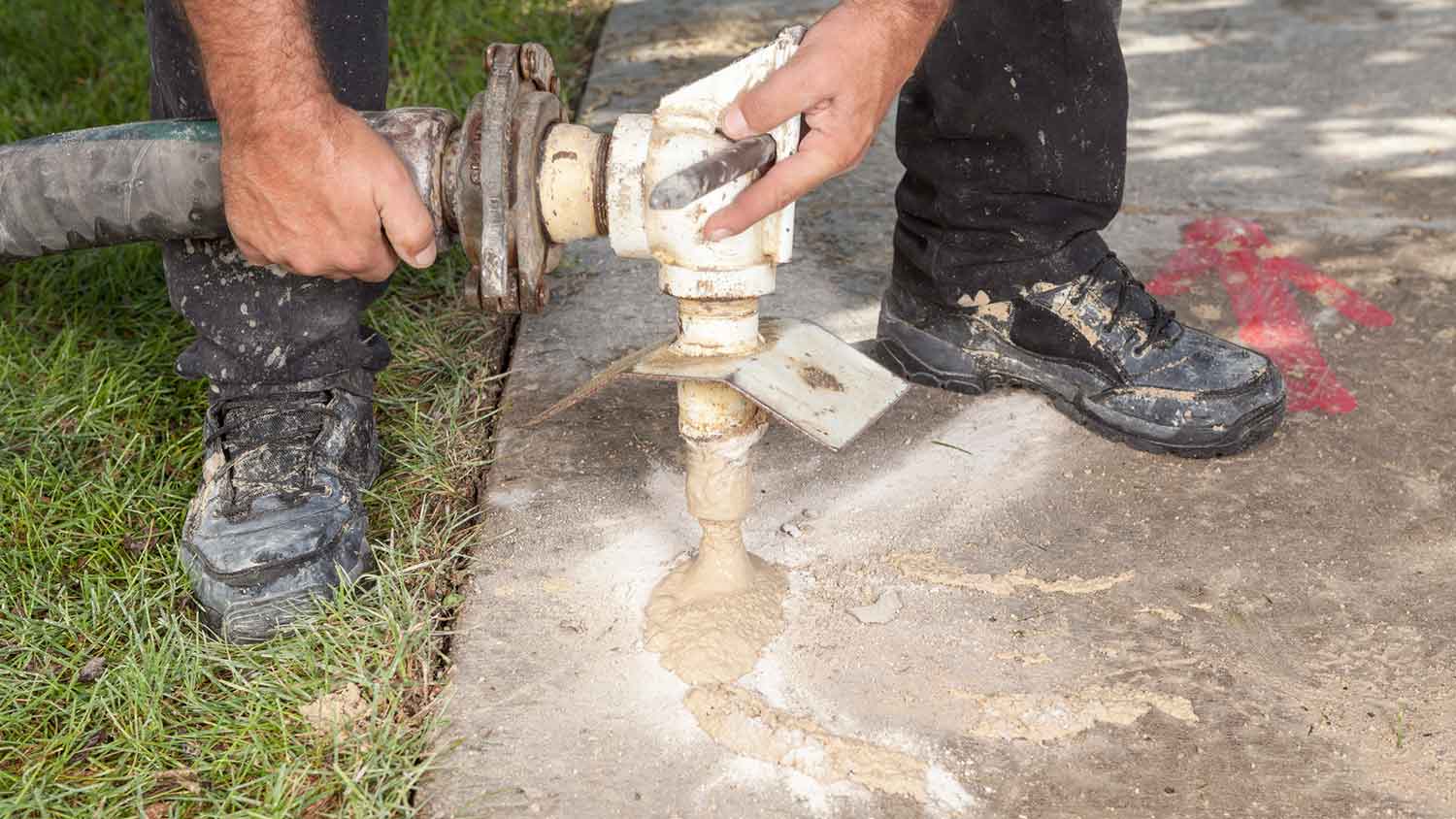
Mudjacking typically takes 24 to 72 hours (one to three days) to dry and cure completely before you can resume normal use. The total drying time can vary depending on the size of the project. Because the slurry mixture contains cement, it needs to harden fully to prevent the concrete slab from shifting under added weight. You should avoid walking on the concrete or placing heavy items like furniture or vehicles on the surface until it has fully set. Your concrete contractor can provide a precise timeline. As a point of comparison, if you opt for polyjacking, the polyurethane foam can dry in minutes, but it's recommended to wait about an hour before use.
The average cost for mudjacking is around $1,200, though prices can range from $300 to $3,400. On a per-square-foot basis, you can expect to pay between $3 and $8, with an average of about $5 per square foot. The final cost depends on several factors, including the square footage of the concrete, the type of slab, its accessibility, whether it is load-bearing, and the type of material used to lift it. Generally, lifting a driveway, small patio, or sidewalk is less expensive than lifting a slab foundation or garage floor.
The Lakota, ND homeowners’ guide to concrete mudjacking services
From average costs to expert advice, get all the answers you need to get your job done.
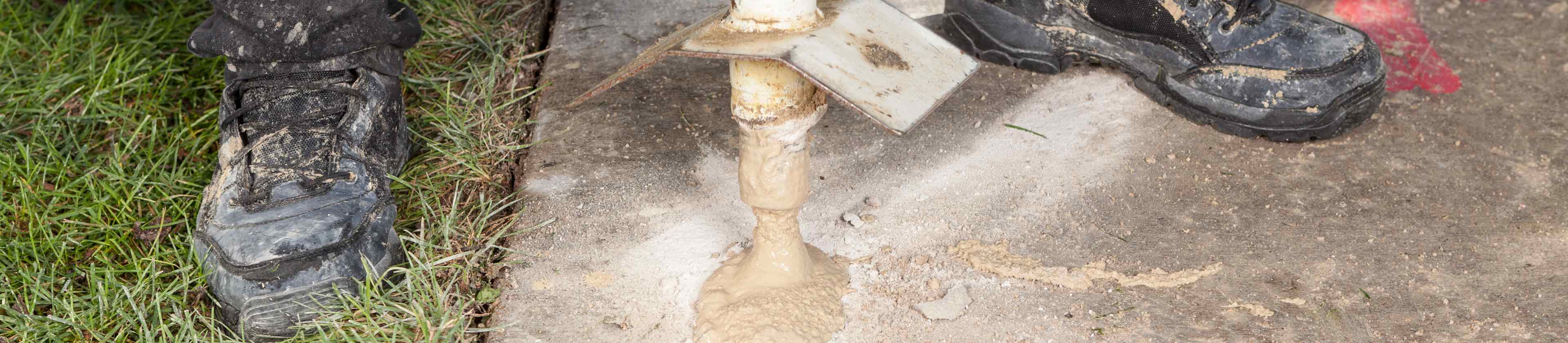
DIY mudjacking is an advanced task, but learning how to raise a concrete slab is great to know for many scenarios. Let's take a look at how to DIY mudjack.