FM Water Systems is your locally owned and operated authorized Kinetico Dealer with over 30 years of experience. We take great pride in our prompt response, expertise and superior customer service every time so call today!\n\nCommercial and Residential clients always welcome!
A good hardness level for drinking water can vary based on personal preferences, but an ideal level is 3.5 to 7 GPG. This means your water isn’t soft or hard. However, some people prefer the “fresh” taste from the minerals in hard water, while others like the smoother, “slippery” texture of soft water.
There are several things that can shorten the life of a water softener. Homes with very hard water may have to replace the unit sooner because the water softener works harder to filter out the hard minerals. High water usage and infrequent maintenance can also put more strain on a water softener.
The chemicals in a water softener can wear down the anode rod in the heater and shorten its life span. However, for most people, the benefits of the softener outweigh this potential drawback.
Have a plumber inspect the anode rod annually for damage, as replacing the anode rod is far less expensive than replacing the entire water heater.
Generally, it is safe to bathe in yellow water, as the color is often caused by iron, tannins, or rust, which won't harm your skin. Soap will still clean you effectively, though the water might leave stains. However, if the water has an unusual smell or you suspect contamination, avoid bathing and contact a plumber for an inspection. A professional can also help if you find bathing in yellow water problematic and want to determine how to get your water clear again.
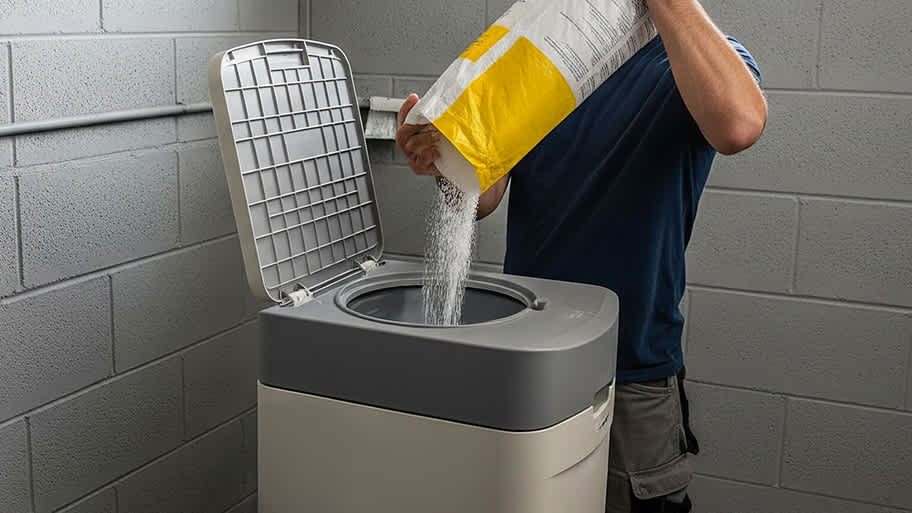
You can install a water softener system by turning off the water supply, draining the water, and then connecting your device to the waterline. Next, you’ll fill your tank with the recommended amount of salt or brine (whichever your unit calls for; be sure to read the instructions). Turn the water supply on and check for leaks. You can opt to let your water run for a few minutes, then test it using strips.
Water softeners work to remove unwanted minerals from hard water through a filtration and recharge cycle. Keep reading to learn how a water softener works.
There are four common softener alternatives available on the market today. We compare and contrast each one to help you find your best-fit solution in this blog.
Water softeners rid your home of hard minerals and, well, soften your water. Even better, the regeneration process is an automatic cycle that works when you’re least likely to use it.