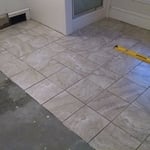
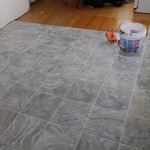
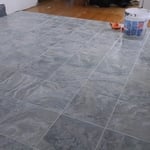
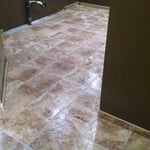
"Very conscientious and personable. He doesn't charge you by the hour so you get good value for your money. He is an excellent installer and I give him a 5 star rating."
701 Tile Setters specializes in any and all tile work. We handle both residential and commercial, working with both stone and granite. We look forward to earning your business!
At Shaina Rutherford Flooring & Design, we are your premier choice for all your tile work. We have provided high quality work and friendly customer service with several years experience. Call today!
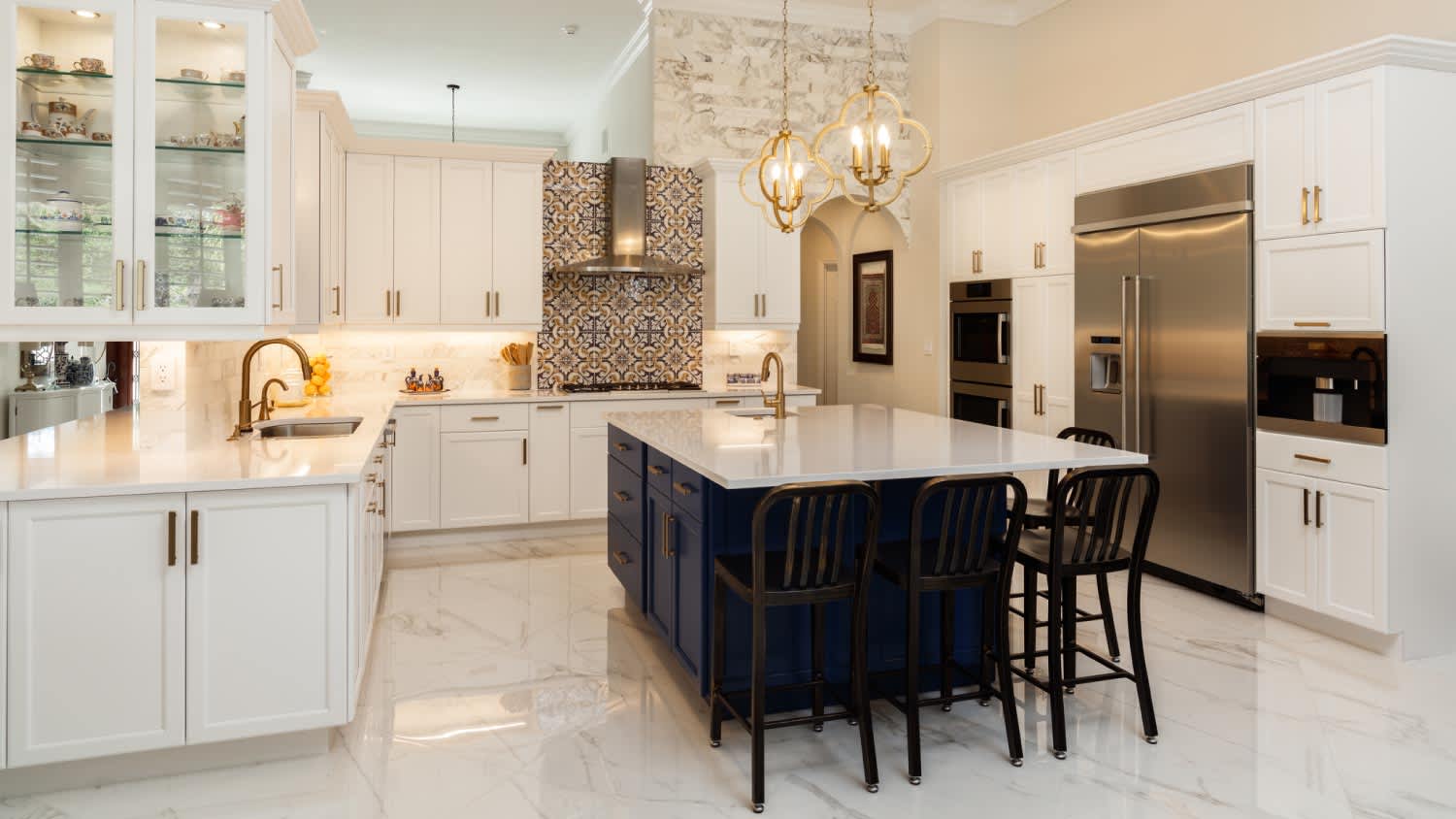
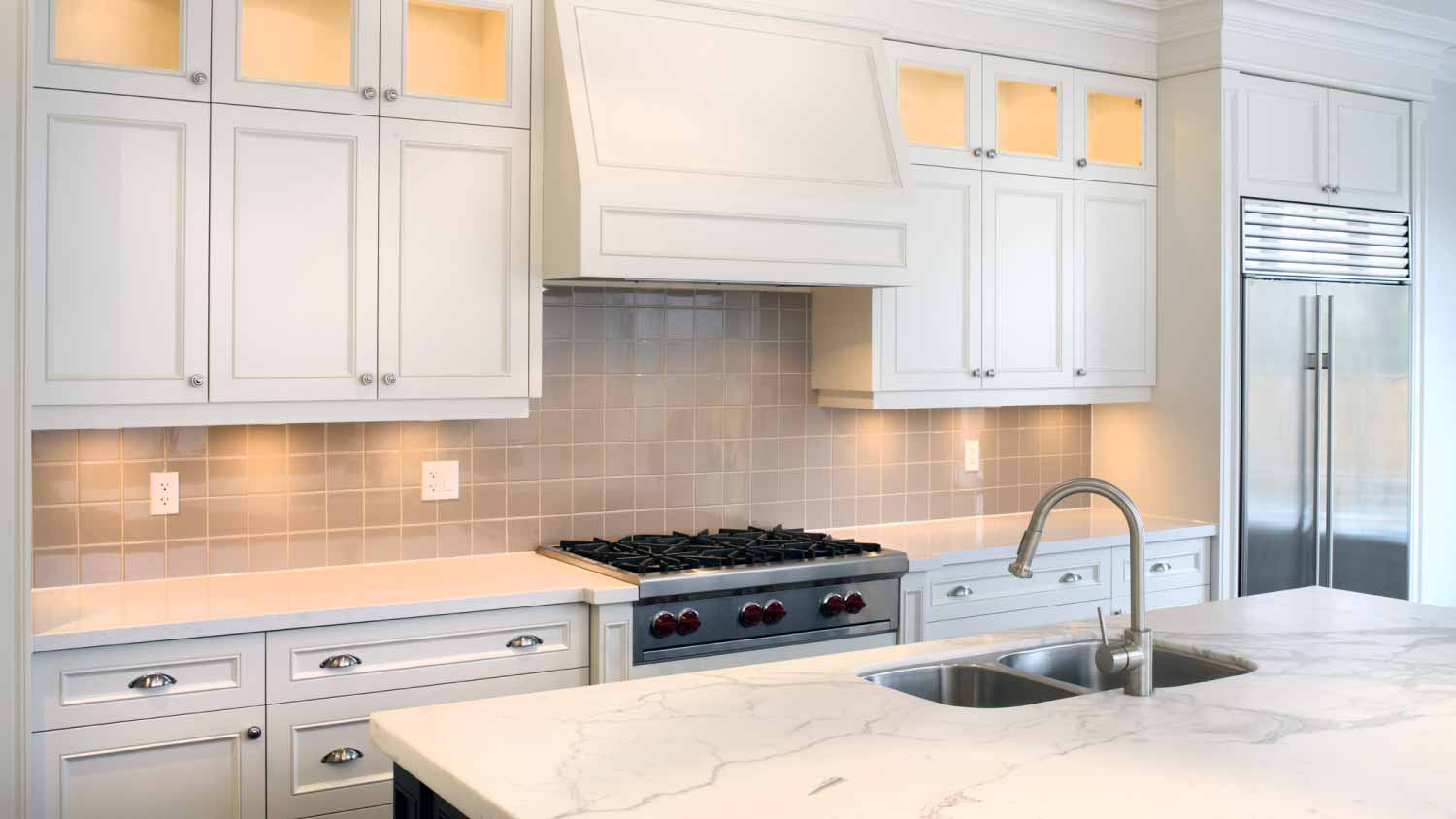
White quartz is a very low-maintenance countertop material. It’s nonporous, so it won’t stain, even if you spill dark liquids on it. The light color will make dirt show up much easier, but a simple wipe-down will keep the countertops looking fresh and bright for years to come. However, it might not be the best kitchen countertop idea on a budget because it's expensive.
In many cases, it’s worth it to restore stone. Stone restoration generally costs less than replacing the stone entirely, helping to save on the cost of your project while still giving your home’s stone a polished appearance. However, if your stone is very cracked or crumbling to the point of compromising the structural integrity of your home, you may want to consider replacing it. Stone flooring costs range from $6 to $20 per square foot on average.
You can cut granite countertops after installing them, but you need to consider the mess it will make. Dust will be everywhere, and lots of protective gear will be required. On top of that, you will need to measure meticulously to make sure the cuts you make are perfect; otherwise, you’ll be stuck having to replace the entire slab of granite, which is a much bigger job.
Standing water can lead to surface discoloration if your granite countertops are improperly sealed. However, it’s possible to remove hard water stains with a baking soda paste. Take more care with acidic liquids, such as fruit juice or red wine, which can leave more permanent stains. That’s why it’s so important to reseal these surfaces regularly.
Quartz countertops are known for their durability, but they aren’t indestructible. Quartz countertops can crack under extreme pressure, like when experiencing a heavy impact. The same can happen with regular exposure to high temperatures. Finally, improper installation makes the quartz more vulnerable.
The Langdon, ND homeowners’ guide to marble restoration services
From average costs to expert advice, get all the answers you need to get your job done.
Thinking about marble restoration? Learn about polishing options, average costs to expect, and how to hire the right local pro to renew your stone surfaces.